Radio and PodcastRadio and PodcastLive Radio & Podcasts
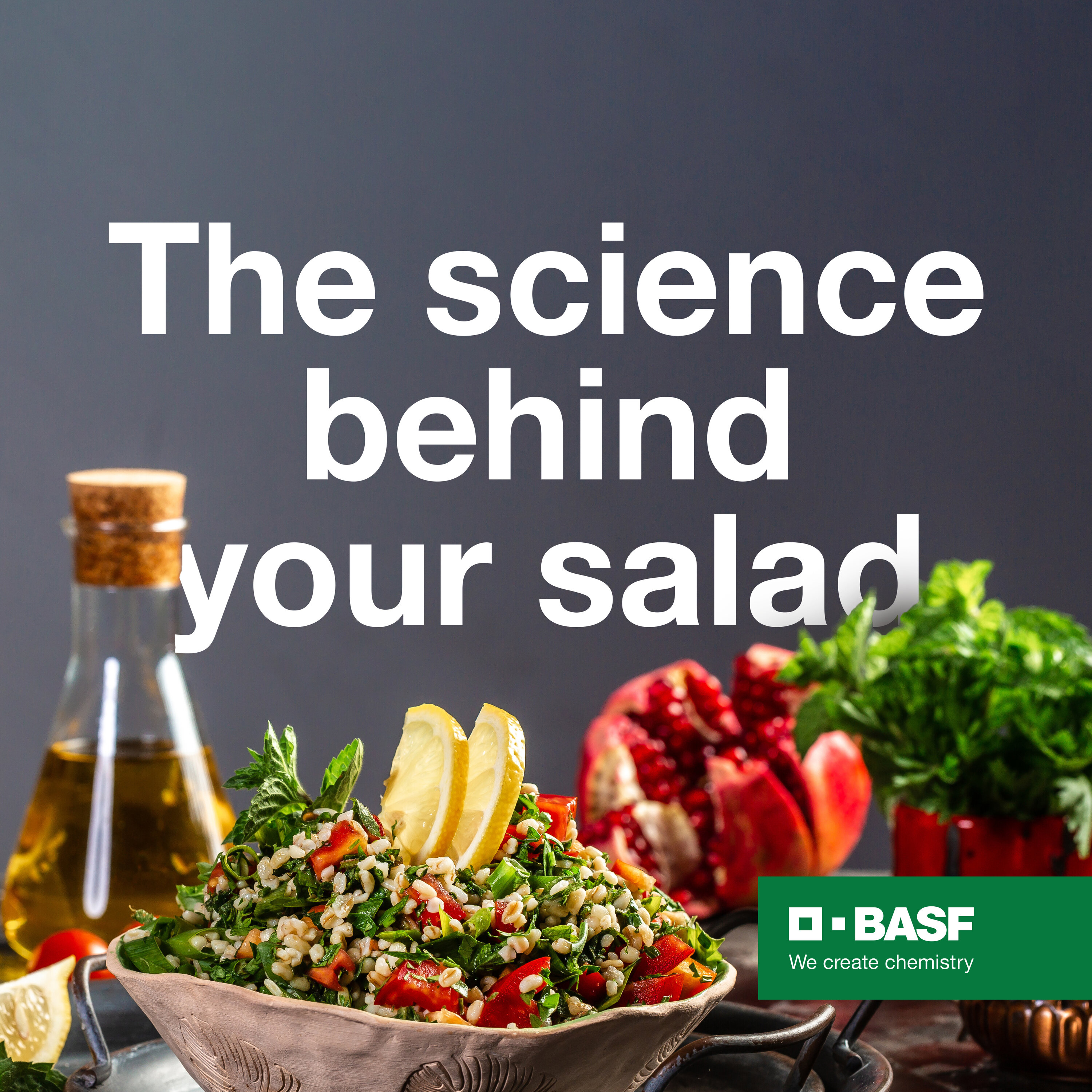
Feeding the Future artwork
Science & Medicine

Feeding the Future

The Science Behind Your Salad by Fresh Air Production

Mar 10, 202534:40Science & Medicine

Feeding humanity in the future brings a complex set of interconnected challenges. What's abundantly clear is that, over the coming decades, farming isn't just about producing more, it's about doing it differently, with t...

About This Episode

Feeding the Future is an episode from The Science Behind Your Salad by Fresh Air Production. Feeding humanity in the future brings a complex set of interconnected challenges. What's abundantly clear is that, over the coming decades, farming...

Podcast

This episode belongs to The Science Behind Your Salad.

Listen Online

Use the player on this page to stream the episode online.

Episode Details

Published Mar 10, 2025, 34:40 long, audio available.

Questions About This Episode

What is Feeding the Future about?

Feeding humanity in the future brings a complex set of interconnected challenges. What's abundantly clear is that, over the coming decades, farming isn't just about producing more, it's about doing it differently, with the environment and society's needs central to the task in hand. In this episode of the Science Behind Your Salad, Jane Craigie explores feeding the future, evolving and adapting to climate change and its mitigation, and innovating, just as agriculture has done for centuries. For Jack Bobo, UCLA's Rothman Family Institute for Food Studies, and seasoned keynote speaker, it's important not to forget what has been achieved thanks to agricultural advances. To put this into context, he says that if we were farming today with 1960s technology, we would require one billion additional hectares. What we consider as 'the future' centres around the year 2050 and feeding 1.5 billion more people with an estimated 50% more food and 70% more protein, this is a very stretching goal, yet farmers are ready to take on the challenge. For Thomas and Jana Gäbert, their cooperative farm in Trebbin near Berlin in Germany, seems to encompass what the farm of the future should be – serving the community, running circular and self-sufficient approaches and with the aim to sourcing as much as possible locally including their energy, workforce and services. As farmer Richard Hinchliffe, from Yorkshire in the UK accepts, the challenges are ever changing, but there is always a solution, as he describes in his battle against blackgrass, a common weed in cereal farming. His understanding of the weed's behaviour, and how to break the cycle of seed return, has helped him control an increasingly difficult foe. BASF's Michael Hoelter works closely with farmers like Richard, to research how resistance to herbicides builds in weed populations, and the best solutions to control grassweeds like blackgrass. The partnership between farmer and researchers like Michael and crucial for farmers to feed the future.

Where can I listen to Feeding the Future?

You can listen to Feeding the Future online on Radio and Podcast. Open the player on this page to stream the available audio.

Which podcast is Feeding the Future from?

Feeding the Future is an episode from The Science Behind Your Salad by Fresh Air Production.

How long is this episode?

This episode is 34:40 long.

When was this episode published?

This episode was published on Mar 10, 2025.

Can I save Feeding the Future for later?

Yes. Use the heart button on the episode page to add it to your favorite episodes list.

Are there related episodes from The Science Behind Your Salad?

Yes. This page shows related episodes from The Science Behind Your Salad when more episodes are available from the podcast feed.

Quick Answers About This Episode

Where can I listen to Feeding the Future?

You can listen to Feeding the Future on this page when the episode audio is available from the podcast feed.

Which podcast is this episode from?

Feeding the Future is from The Science Behind Your Salad by Fresh Air Production.

What are the episode details?

Published Mar 10, 2025 and 34:40 long