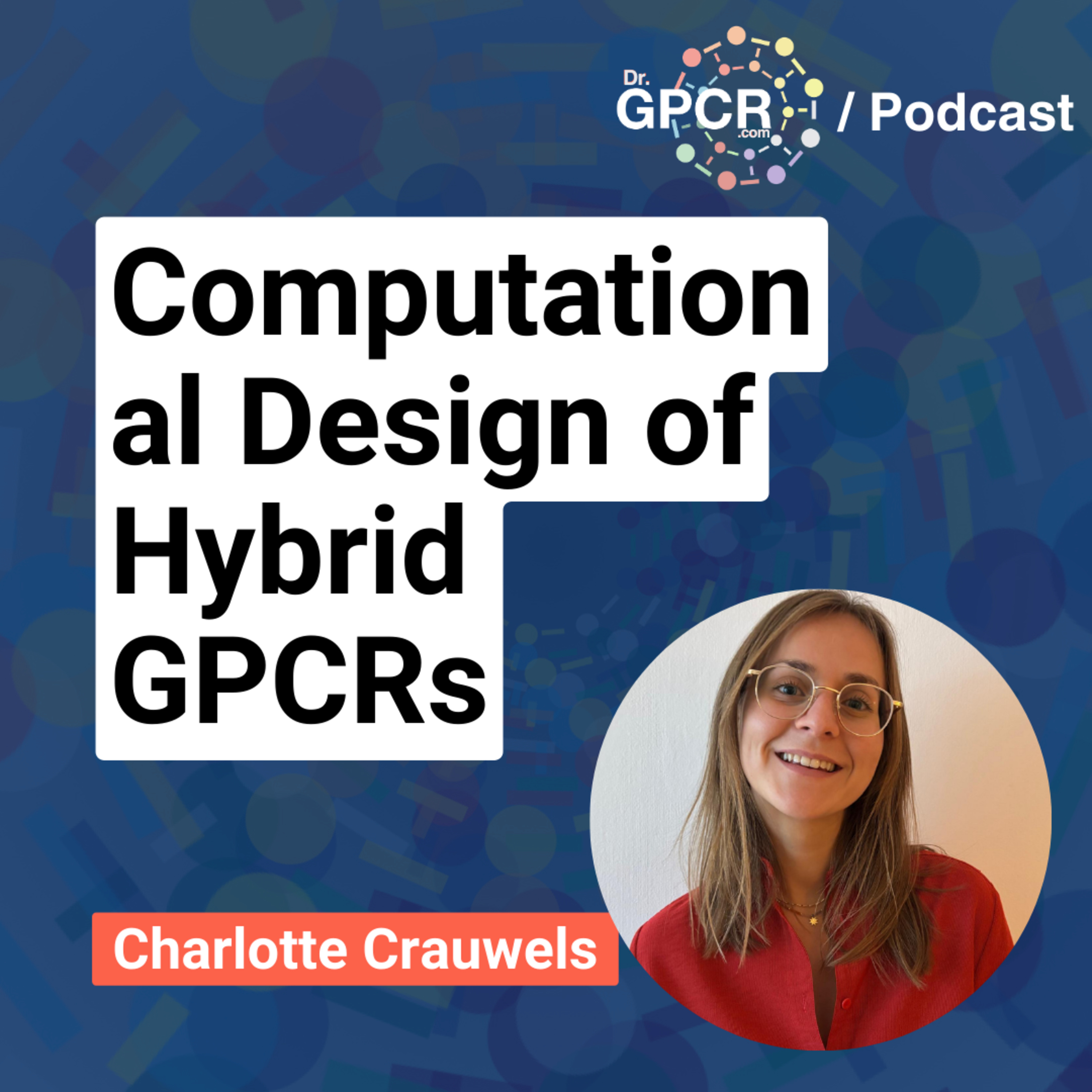
Chimeric GPCRs: Why the Easy Designs Fail — Charlotte Crauwels
May 13, 2026 - 00:47:40
Radio and PodcastLive Radio & Podcasts
How does ligand binding at the extracellular pocket of a GPCR reshape signaling on the intracellular side? Biased agonism is often measured through pathway activation assays, but the structural origin of ligand bias rema...
Can Simulations Predict GPCR Ligand Bias? is an episode from Dr. GPCR Podcast by Dr. Yamina Berchiche. How does ligand binding at the extracellular pocket of a GPCR reshape signaling on the intracellular side? Biased agonism is often measur...
This episode belongs to Dr. GPCR Podcast.
Use the player on this page to stream the episode online.
Published Mar 18, 2026, 00:54:48 long, audio available.
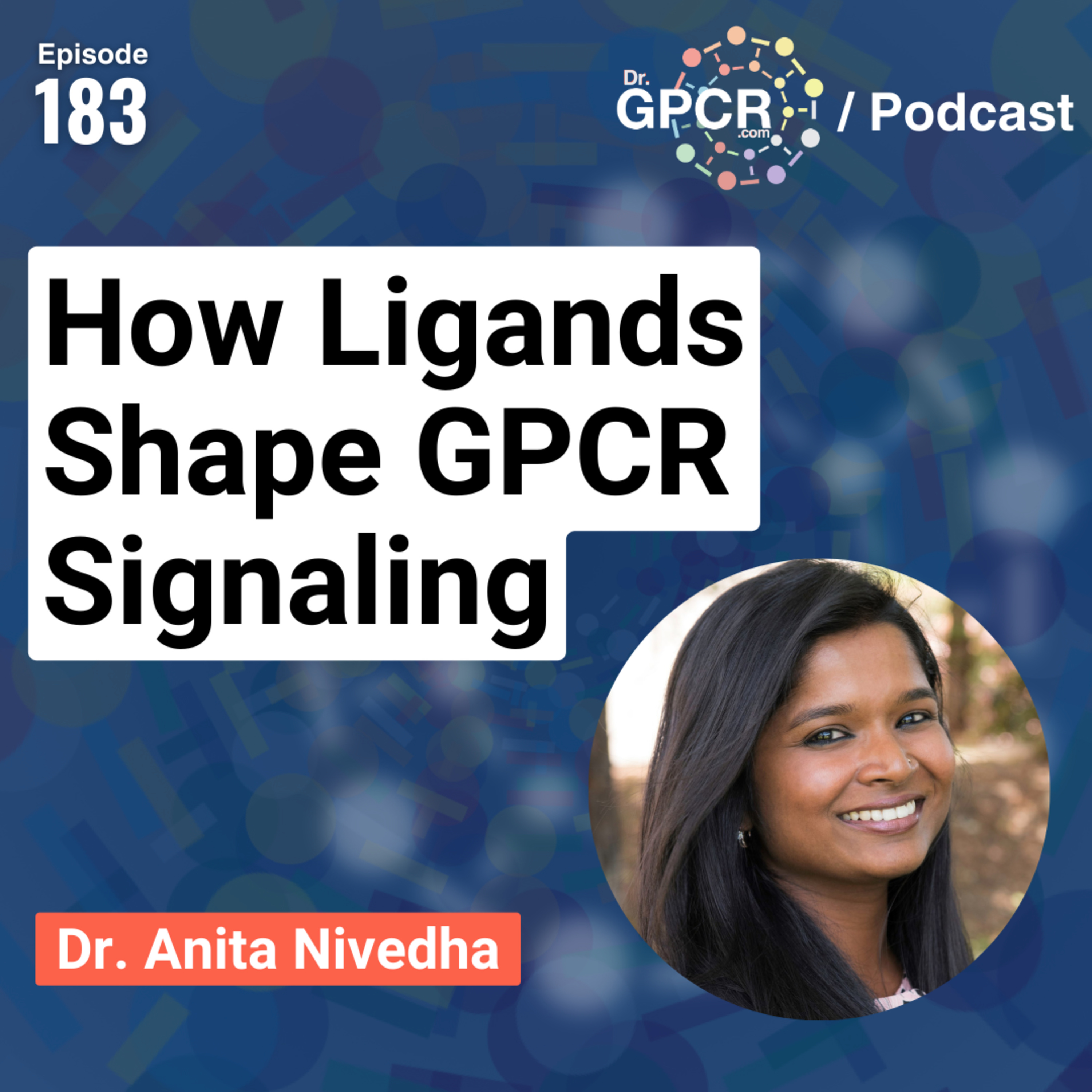
How does ligand binding at the extracellular pocket of a GPCR reshape signaling on the intracellular side? Biased agonism is often measured through pathway activation assays, but the structural origin of ligand bias remains difficult to trace. Can molecular simulations reveal the communication routes that link ligand binding to G protein or arrestin signaling? In this conversation, computational biologist Anita Niveda explores how molecular dynamics and network analysis can map allosteric communication within GPCRs—revealing how microscopic structural pathways relate to macroscopic signaling outcomes. From discovering bioinformatics as an undergraduate to developing computational methods for quantifying ligand bias, the discussion moves through the scientific thinking behind modeling receptor signaling, collaborations between academia and industry, and how computational tools are becoming predictive instruments in drug discovery. Key Topics in This Episode How molecular dynamics simulations reveal communication pathways connecting ligand binding sites to G protein or arrestin interfaces Why mapping allosteric communication networks helps explain biased agonism in GPCR signaling What computational strategies can quantify ligand bias directly from receptor structures How receptor subtype selectivity emerges from subtle structural and dynamic differences in binding pockets Why academic–industry collaborations can accelerate method development in receptor pharmacology What career decisions shape the path from computational biology training to drug discovery roles Timestamps 0:00 A structural question behind ligand bias 1:30 Introduction and scientific background 3:40 Discovering bioinformatics and computational biology 7:30 First encounters with GPCR structural biology 9:40 Finding and choosing a postdoctoral lab 16:40 Entering GPCR research and allosteric communication 18:20 Quantifying ligand bias using simulations 20:00 Mapping signaling pathways through receptor residues 23:30 Academic–industry collaboration with Boehringer Ingelheim 27:00 Moving from academia to industry research 35:00 Interviewing and transitioning into biotech 45:00 Aha moments in computational GPCR research 50:00 The diversity of GPCR families and signaling biology Keywords: GPCR podcast, GPCR signaling, biased agonism, drug discovery, receptor pharmacology
You can listen to Can Simulations Predict GPCR Ligand Bias? online on Radio and Podcast. Open the player on this page to stream the available audio.
Can Simulations Predict GPCR Ligand Bias? is an episode from Dr. GPCR Podcast by Dr. Yamina Berchiche.
This episode is 00:54:48 long.
This episode was published on Mar 18, 2026.
Yes. Use the heart button on the episode page to add it to your favorite episodes list.
Yes. This page shows related episodes from Dr. GPCR Podcast when more episodes are available from the podcast feed.
You can listen to Can Simulations Predict GPCR Ligand Bias? on this page when the episode audio is available from the podcast feed.
Can Simulations Predict GPCR Ligand Bias? is from Dr. GPCR Podcast by Dr. Yamina Berchiche.
Published Mar 18, 2026 and 00:54:48 long