Radio and PodcastRadio and PodcastLive Radio & Podcasts
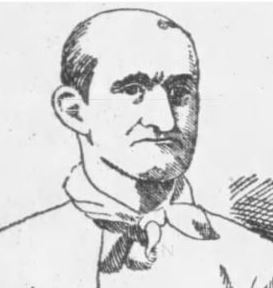
169: Old Sport Campana (1836-1906) – Part Two artwork
Sports & Recreation

169: Old Sport Campana (1836-1906) – Part Two

Ultrarunning History by Davy Crockett

Jan 16, 202528:06Sports & Recreation

By Davy Crockett In part one, “Old Sport” Peter Napoleon Campana (1836-1906), of Bridgeport, Connecticut, a poor street vendor, and talented runner, wanted to become a professional pedestrian/ultrarunner. At age 42, he w...

About This Episode

169: Old Sport Campana (1836-1906) – Part Two is an episode from Ultrarunning History by Davy Crockett. By Davy Crockett In part one, “Old Sport” Peter Napoleon Campana (1836-1906), of Bridgeport, Connecticut, a poor street vendor, and tale...

Podcast

This episode belongs to Ultrarunning History.

Listen Online

Use the player on this page to stream the episode online.

Episode Details

Published Jan 16, 2025, 28:06 long, audio available.

Questions About This Episode

What is 169: Old Sport Campana (1836-1906) – Part Two about?

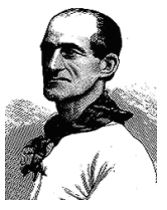
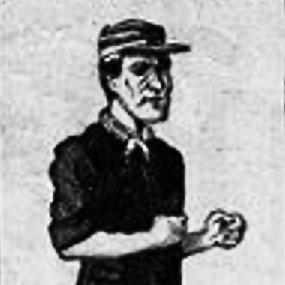
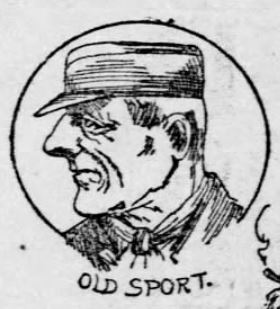
By Davy Crockett In part one, “Old Sport” Peter Napoleon Campana (1836-1906), of Bridgeport, Connecticut, a poor street vendor, and talented runner, wanted to become a professional pedestrian/ultrarunner. At age 42, he was viewed as very elderly, a strange anomaly on the track. It was said that it looked like he had been run through a threshing machine. “He looks like a physical wreck and every stranger expects to see him collapse momentarily. His shriveled, shrunken, crooked figure is one of the marvels of pedestrianism.” In early 1879, he had a poor reputation, and his integrity was questioned. But during the coming 15 months, as he ran more miles in races than anyone in the world, he would win over the hearts of the public. He would be called “perhaps one of the best-known athletes in the country.” He became a crowd favorite to watch in 1879 when the six-day race was the most popular spectator sporting event to watch in America. Learn about the rich and long history of ultrarunning. There are now twelve books available in the Ultrarunning History series on Amazon, compiling podcast content and much more. Learn More. Despite the six-day race loss to Daniel O’Leary, in December 1878, Campana, now wealthy and newly married, sought to further profit from his newfound notoriety. He was now mentioned in newspapers every week across the country. Some of the press was negative, as word spread that his Bridgeport six-day world record run of 521 miles in November 1878 was a fraud. He stated that the accusations came from disgruntled men who wanted more money from him. The New York Sun looked deeply into the matter and concluded that “the fraud was inspired by a wish to make a big record, arouse public interest, and thereby bring in gate money.” The scheme had succeeded. What was the reaction to the bombshell news in Campana’s hometown? “Bridgeport had freely given Campana their confidence and their backing. Now there is surprise that the community could have been sold so cheaply and completely. As a pedestrian, Campana is looked upon as a dead duck.” Still, there were those who believed his effort was legitimate. A reporter from another newspaper, who witnessed the last day of that event and interviewed witnesses stated, “I gained a firm impression that the walk had been honestly conducted, and that Campana had really passed over the number of miles with which he was credited. No one whom I met in Bridgeport appeared to have any doubt about the matter.” He believed there was a conspiracy against Campana. (Author’s note: Given that Campana never exceeded 521 miles in all his future 40+ six-day races that he competed in, I believe that the effort involved fraud and should be discounted. It is likely that Campana was naïve and wasn’t involved in the fraud that was conducted by his backers.) Campana had a trial in late January for physically abusing his new young wife, Jennie A. (Dalton) Campana (1853-). She returned to her father’s home and took her new wardrobe and $100. “In court he showed a big roll of bills and said that he was in the hands of men who had hired him for a year, and he couldn’t walk anywhere without their permission.” He had argued with his wife when two other women came into their new house in Waterbury, Connecticut, who he didn’t want there. He suspected that she had him arrested so she could strip the house of costly things while he was in jail. Despite this terrible incident, the two were reconciled and Jennie moved back to their home. On the Road Campana was not a “pedestrian dead duck.” His career was just beginning, with the help of his dominating backers. At that time, professional pedestrians were not kicked out of the sport for perceived fraud or misbehavior. First, he tried to issue challenges against other runners for large amounts of money. Those went without responses. Next, he went on the road to give running exhibitions. Boston Music Hall

Where can I listen to 169: Old Sport Campana (1836-1906) – Part Two?

You can listen to 169: Old Sport Campana (1836-1906) – Part Two online on Radio and Podcast. Open the player on this page to stream the available audio.

Which podcast is 169: Old Sport Campana (1836-1906) – Part Two from?

169: Old Sport Campana (1836-1906) – Part Two is an episode from Ultrarunning History by Davy Crockett.

How long is this episode?

This episode is 28:06 long.

When was this episode published?

This episode was published on Jan 16, 2025.

Can I save 169: Old Sport Campana (1836-1906) – Part Two for later?

Yes. Use the heart button on the episode page to add it to your favorite episodes list.

Are there related episodes from Ultrarunning History?

Yes. This page shows related episodes from Ultrarunning History when more episodes are available from the podcast feed.

Quick Answers About This Episode

Where can I listen to 169: Old Sport Campana (1836-1906) – Part Two?

You can listen to 169: Old Sport Campana (1836-1906) – Part Two on this page when the episode audio is available from the podcast feed.

Which podcast is this episode from?

169: Old Sport Campana (1836-1906) – Part Two is from Ultrarunning History by Davy Crockett.

What are the episode details?

Published Jan 16, 2025 and 28:06 long