Radio and PodcastRadio and PodcastLive Radio & Podcasts
172: Old Sport Campana (1836-1906) – Part Five artwork
Sports & Recreation

172: Old Sport Campana (1836-1906) – Part Five

Ultrarunning History by Davy Crockett

Mar 1, 202523:34Sports & Recreation

By Davy Crockett By 1888, Old Sport Campana had competed in 35 ultra-distance races, and eight in 1888. He also competed in the most historic six-day race of the 19th century, held in November 1888 in Madison Square Gard...

About This Episode

172: Old Sport Campana (1836-1906) – Part Five is an episode from Ultrarunning History by Davy Crockett. By Davy Crockett By 1888, Old Sport Campana had competed in 35 ultra-distance races, and eight in 1888. He also competed in the most hi...

Podcast

This episode belongs to Ultrarunning History.

Listen Online

Use the player on this page to stream the episode online.

Episode Details

Published Mar 1, 2025, 23:34 long, audio available.

Questions About This Episode

What is 172: Old Sport Campana (1836-1906) – Part Five about?

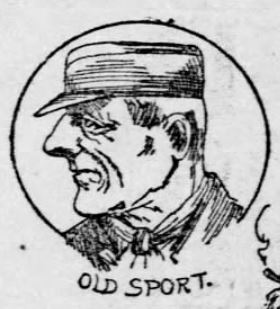
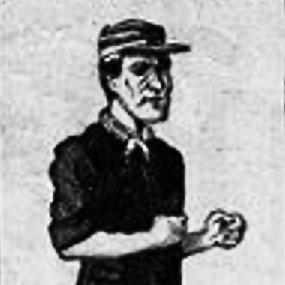
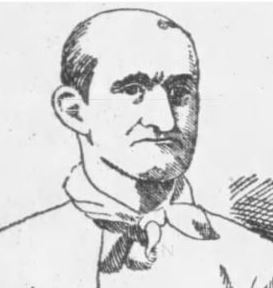
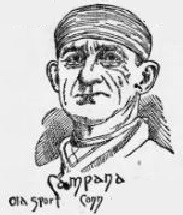
By Davy Crockett By 1888, Old Sport Campana had competed in 35 ultra-distance races, and eight in 1888. He also competed in the most historic six-day race of the 19th century, held in November 1888 in Madison Square Garden. William M. O’Brien (1858-1891), was the race organizer. He partnered with Richard K. Fox (1846-1922), editor and publisher of the sporting publication, The Police Gazette, to offer the Fox Diamond Belt, valued at $2,500 to the winner. If someone beat James Albert’s (1856-1912) world record of 621 miles, they would get a bonus of $1,000. The contestants needed to reach 525 miles in order to claim a share of the gate receipts. With an entrance fee of $50, about 125 runners applied for entry, but the race was limited to 40 starters, including Campana. The New York City press was favorable. “Old Sport Campana, whose increasing years seem to add new vigor to his constitution, will start. He will celebrate his 99th birthday on the track.” He was confident that he would reach 550 miles before he retired from the sport. Everyone wondered what new antics he would perform during this race. A bold prediction was made that George Littlewood (1859-1912), of England, would break the world record. “Probably no man alive today can beat Littlewood. He is a phenomenal pedestrian, and having a poor field to beat should win with ease.” New book! Old Sport Campana: Ultrarunning’s Most Popular and Amusing 19th Century Runner. As I researched for these podcast episodes, I realized that I had enough content for an entire amusing and interesting book. This episode previews chapter seven of the book. To read the entire story of Old Sport, get my new book on Amazon. The Start Madison Square Garden An hour before the start, Madison Square Garden was full, with 9,000 spectators, despite a howling blizzard that ripped through the city during the day. Thirty-six runners came to the starting line, led, as usual, by Campana, age 52. At 12:05 a.m. on November 26, 1888, Campana led the runners across the line. “Campana who has been likened to a fragment of time, broken off the far end of eternity, got a big start and made his bony shanks play like drumsticks for a lap. He passed under the wire first.” That first-place lap won him a bet with Police Captain Tom Reilly, who paid him a five-dollar silver certificate over the fence. “Campana is badly in need of a shave and looks rather more cadaverous than usual. He is in high spirits. He wears an American flag around his waist, an old pair of white gaiters, and a boutonniere of greasy silver certificates.” George Littlewood, of England, took the lead right away, completed the first mile in 5:02, and reached the future marathon mark in about 3:20. Through the first night, it became obvious why there were plans to have Madison Square Garden demolished and replaced. “The ring in the center of the garden looked as if it had been swept by a hurricane. Booths were overturned and the floor was flooded with melted snow, which had dropped through the crevices in the roof.” Littlewood, dressed in white drawers and an undershirt, with a red cloth around his neck and a toothpick in his mouth, reached 77.5 miles in twelve hours in front of about 700 people in the cold building. After twelve hours, Campana had covered 60 miles. Campana complained that the scorers were rigging the race against him. “He went on again, with a blue nose, red cheeks, and open mouth.” Littlewood was the first to reach 100 miles in 15:59:00. “He was roundly cheered and presented with a floral horseshoe. Campana became so worked up by the demonstration that he skipped around the track as he did in days of yore.” Sixteen of the runners reached 100 miles on the first day, earning them a refund of their entrance fee. Even Campana reached that mark. “His homely figure and good-natured smile have been seen on every sawdust track for years past.

Where can I listen to 172: Old Sport Campana (1836-1906) – Part Five?

You can listen to 172: Old Sport Campana (1836-1906) – Part Five online on Radio and Podcast. Open the player on this page to stream the available audio.

Which podcast is 172: Old Sport Campana (1836-1906) – Part Five from?

172: Old Sport Campana (1836-1906) – Part Five is an episode from Ultrarunning History by Davy Crockett.

How long is this episode?

This episode is 23:34 long.

When was this episode published?

This episode was published on Mar 1, 2025.

Can I save 172: Old Sport Campana (1836-1906) – Part Five for later?

Yes. Use the heart button on the episode page to add it to your favorite episodes list.

Are there related episodes from Ultrarunning History?

Yes. This page shows related episodes from Ultrarunning History when more episodes are available from the podcast feed.

Quick Answers About This Episode

Where can I listen to 172: Old Sport Campana (1836-1906) – Part Five?

You can listen to 172: Old Sport Campana (1836-1906) – Part Five on this page when the episode audio is available from the podcast feed.

Which podcast is this episode from?

172: Old Sport Campana (1836-1906) – Part Five is from Ultrarunning History by Davy Crockett.

What are the episode details?

Published Mar 1, 2025 and 23:34 long