What we can learn from the "dinosaurs of marriage"
Feb 10, 2018 - 00:02:45

Radio and PodcastLive Radio & Podcasts
If you’ve been around awhile, chances are you’ve experienced foods that were once touted to be good for you, suddenly becoming the worst thing you could possibly eat. Or at least that’s how it feels when there’s a lot of...
Why nutrition studies can't be one-size-fits-all is an episode from UC Science Today by UC Science Today. If you’ve been around awhile, chances are you’ve experienced foods that were once touted to be good for you, suddenly becoming the wor...
This episode belongs to UC Science Today.
Use the player on this page to stream the episode online.
Published Feb 5, 2018, 00:01:59 long, audio available.
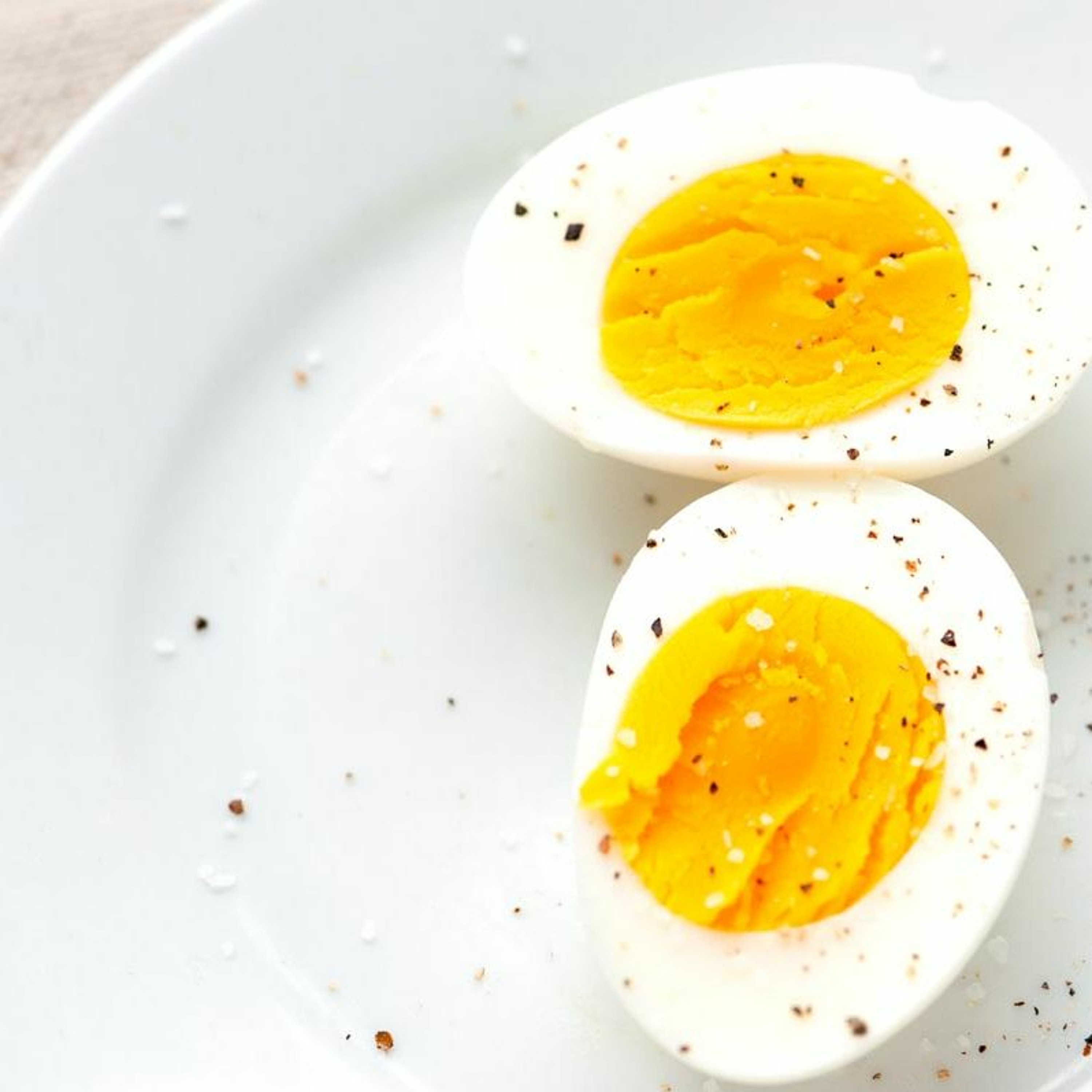
If you’ve been around awhile, chances are you’ve experienced foods that were once touted to be good for you, suddenly becoming the worst thing you could possibly eat. Or at least that’s how it feels when there’s a lot of media coverage about the latest scientific studies. Take eggs, for example. Over the years, these nutrient-rich orbs have gone from what’s for breakfast, to heart-attacks waiting to happen … only to be redeemed again as a healthy choice. Of course, moderation is key – for anything, but what gives when it comes to such nutritional see-saws? We asked nutrition researcher Angela Zivkovic of the University of California, Davis. "Part of the problem is that we just have natural variability between people, and if we keep trying to find the answer about how a certain diet affects all humans, we're probably never going to find the answer, and we're going to keep having these sort of pendulum swings back and forth. Eggs are good for you, eggs are not good for you, eggs are good for you, eggs are not good for you because every time you get a different population, you'll get a different answer. Really, it's that eggs are good for some people at certain points in time, and eggs are not so good for other people especially at certain points in time. So, you know, we just need to try to figure out, how do we understand how different people respond to different diets at different points? And, again, it's not even just about, how do you respond to eggs? It's today versus three years from now versus 10 years ago. It's very different. People change over time and people are very unique and individual. And it's the overall context, too. That's often something that's really forgotten and missed. It's like, you know, we try to isolate these foods as if we eat them in isolation of other things. Of course, we eat them as complete diets. So let's say I'm on a vegan diet except I eat eggs. The effect of those eggs might be very different than if I eat eggs, but I'm actually on a Paleo-type diet, where I'm also eating a lot of other animal products. So it's really all about context and trying to understand how different people vary and change and respond to these different dietary treatments."
You can listen to Why nutrition studies can't be one-size-fits-all online on Radio and Podcast. Open the player on this page to stream the available audio.
Why nutrition studies can't be one-size-fits-all is an episode from UC Science Today by UC Science Today.
This episode is 00:01:59 long.
This episode was published on Feb 5, 2018.
Yes. Use the heart button on the episode page to add it to your favorite episodes list.
Yes. This page shows related episodes from UC Science Today when more episodes are available from the podcast feed.
You can listen to Why nutrition studies can't be one-size-fits-all on this page when the episode audio is available from the podcast feed.
Why nutrition studies can't be one-size-fits-all is from UC Science Today by UC Science Today.
Published Feb 5, 2018 and 00:01:59 long