Radio and PodcastRadio and PodcastLive Radio & Podcasts
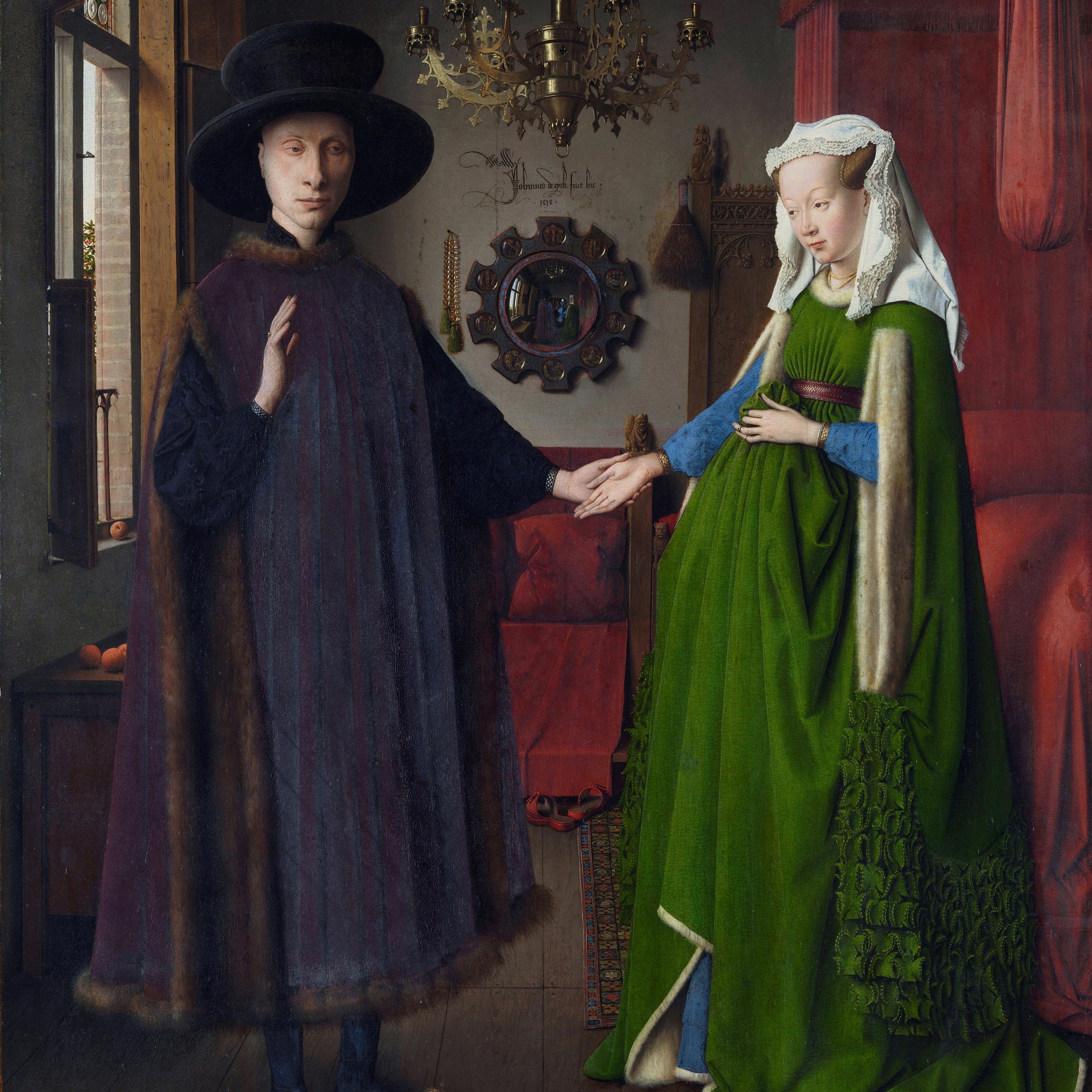
What we can learn from the "dinosaurs of marriage" artwork
Science & Medicine

What we can learn from the "dinosaurs of marriage"

UC Science Today by UC Science Today

Feb 10, 201800:02:45Science & Medicine

In 1989, UC Berkeley psychologist Robert Levenson began to study a group of people who had been married at least 15 years or 35 years, depending on age, to get a better sense of what fairly successful marriages are like....

About This Episode

What we can learn from the "dinosaurs of marriage" is an episode from UC Science Today by UC Science Today. In 1989, UC Berkeley psychologist Robert Levenson began to study a group of people who had been married at least 15 years or 35 year...

Podcast

This episode belongs to UC Science Today.

Listen Online

Use the player on this page to stream the episode online.

Episode Details

Published Feb 10, 2018, 00:02:45 long, audio available.

Questions About This Episode

What is What we can learn from the "dinosaurs of marriage" about?

In 1989, UC Berkeley psychologist Robert Levenson began to study a group of people who had been married at least 15 years or 35 years, depending on age, to get a better sense of what fairly successful marriages are like. This was not purely a behavioral study, as they also managed to collect genetic samples from many of these 156 couples. In this interview excerpt, Levenson explains the implications for future couples. Robert Levenson: "Well, one of the things that motivated us to do this study is that we felt this might be the last opportunity to study the dinosaurs of marriage. The people who had 50 years with a particular person. And at the time we started in the 80s it looked like the divorce rate was reaching 65 percent in this country. Seven out of 10 marriages ending in divorce. And so here was a group that grew up in a different era and had you know sort of stayed together and we wanted to understand them just in case they disappeared from the earth. Well, I think things are different now and you know we’re in this period of flux in marriage. A lot of people don’t marry. The divorce rate has gone back down again to 50 percent. I don’t know whether the modal marriage for the millennial generation will be, you know, marry once, marry twice, marry three times. But I think the basic biology here, the relationship between behavior and biology doesn’t require you to be married. You know this is a statement about what counts in terms of your being happy in a relationship. And although our tools may not be strong enough to detect these in the first and second and third years, I still expect that these genetic influences are having the same effects on relationships today as they did, you know, 20 and 40 years ago in those marriages." Branin/host: "Right and as you say with the dinosaurs, I mean I think that’s the joke, you know, people will say about their grandparents - they stuck together even though they didn’t seem very happy and yet they did." Robert Levenson: "Now that might happen again. You know we go through these pendular kinds of sociological changes and for a while it seemed like we were in sort of a casual relationship. People lived together, they didn’t marry, but who knows what it’s going to be like in the future. And who knows probably the best bet is the pendulum will swing back and maybe people will form better marriages and will find ways of making better mate selection. And maybe even genes will play a role in that. And you know you’ll go and you’ll talk to your grandma and your grandpa and they’ll give you advice and then you’ll go to your geneticist and she’ll give you advice and you’ll put that all together in this kind of unique algorithm that will say okay I’m going to go this way. And then if you’re smart you’ll listen. And if you’re not you’ll say ah, I know best. I’m just going to marry whoever I want to. But I don’t think human nature is going to get re-writ in any particular, you know, in any short period of time." Want to hear the entire interview? Or, listen to several experts, including Levenson, describe our brain in love in this discussion:

Where can I listen to What we can learn from the "dinosaurs of marriage"?

You can listen to What we can learn from the "dinosaurs of marriage" online on Radio and Podcast. Open the player on this page to stream the available audio.

Which podcast is What we can learn from the "dinosaurs of marriage" from?

What we can learn from the "dinosaurs of marriage" is an episode from UC Science Today by UC Science Today.

How long is this episode?

This episode is 00:02:45 long.

When was this episode published?

This episode was published on Feb 10, 2018.

Can I save What we can learn from the "dinosaurs of marriage" for later?

Yes. Use the heart button on the episode page to add it to your favorite episodes list.

Are there related episodes from UC Science Today?

Yes. This page shows related episodes from UC Science Today when more episodes are available from the podcast feed.

Quick Answers About This Episode

Where can I listen to What we can learn from the "dinosaurs of marriage"?

You can listen to What we can learn from the "dinosaurs of marriage" on this page when the episode audio is available from the podcast feed.

Which podcast is this episode from?

What we can learn from the "dinosaurs of marriage" is from UC Science Today by UC Science Today.

What are the episode details?

Published Feb 10, 2018 and 00:02:45 long