Highly Pathogenic Avian Influenza and Pastured Poultry Flocks
Feb 16, 2022 - 52:24

Radio and PodcastLive Radio & PodcastsFetching episode details...
Radio and PodcastLive Radio & Podcasts
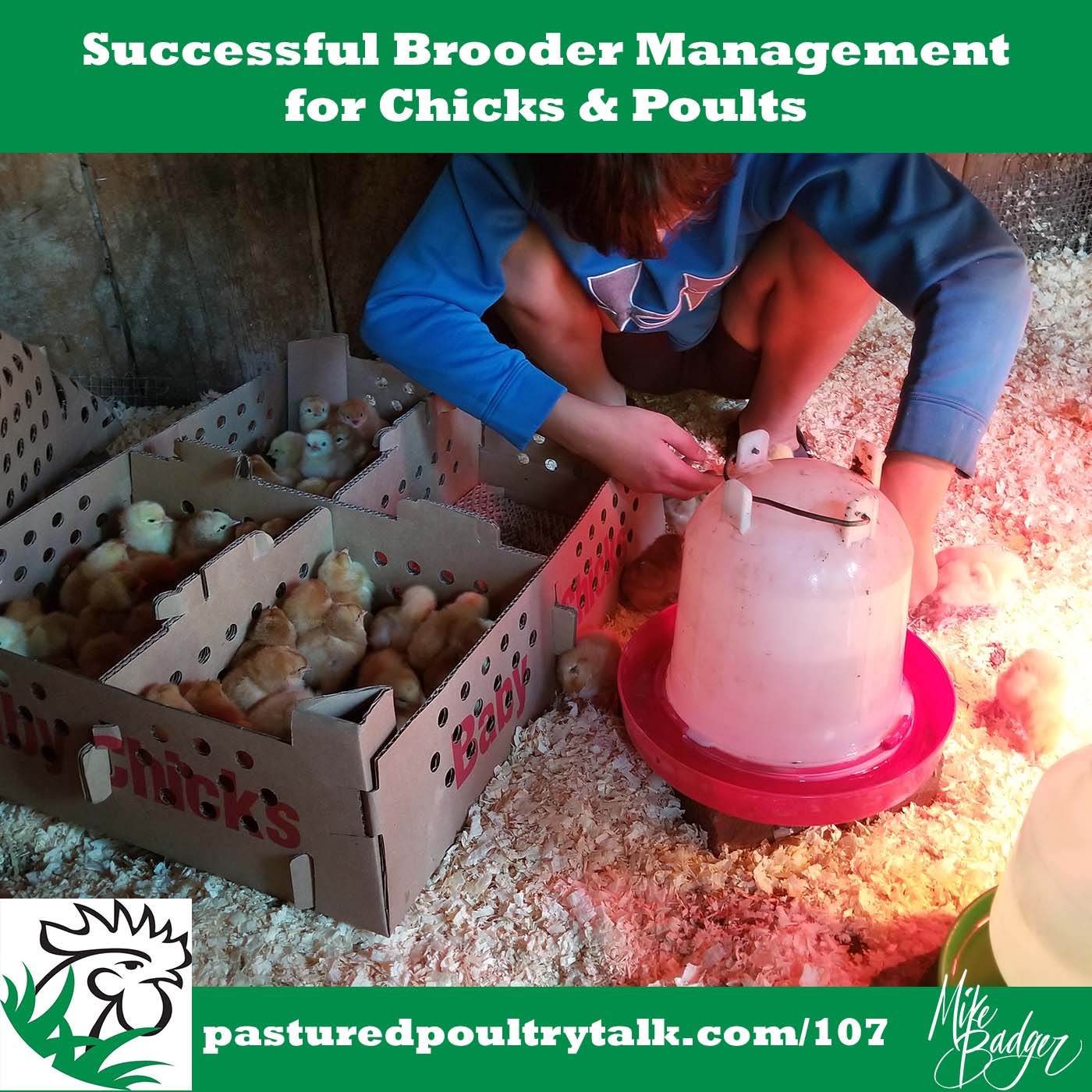
Did you know a commercial meat chicken or turkey may spend up to 40% of it's life inside a brooder? Layers, by comparison, spend approximately 5% of their first lay-cycle in the brooder. For all our poultry species, the...
Successful Brooder Management for Chicks & Poults (PPT107) is an episode from Pastured Poultry Talk by Mike Badger. Did you know a commercial meat chicken or turkey may spend up to 40% of it's life inside a brooder? Layers, by comparison, s...
This episode belongs to Pastured Poultry Talk.
Use the player on this page to stream the episode online.
Published Jul 6, 2020, 57:58 long, audio available.
Did you know a commercial meat chicken or turkey may spend up to 40% of it's life inside a brooder? Layers, by comparison, spend approximately 5% of their first lay-cycle in the brooder. For all our poultry species, the time in the brooder is critical to the long term health and productivity of the flock with an emphasis placed on the first three days of life. These first few days, especially for meat birds, is an important time for the bird to establish healthy eating patterns and appetites. Brooding, especially as you scale up, is typically the most obvious weak link in a pastured poultry production system, and that's really counter-intuitive. You may think that taking care of a chicken inside a building is easy because you alleviate the most weather and predator risks of pasture. Inside the brooder, your job is to raise a young chick or poult with an immature immune system, get it the proper nutrition, keep it comfortably warm, and maintain the brooder environment amid constantly changing weather. And you do it without environment controls inside the brooder. In this brooder environment, there's a commingling of factors that makes the brooder time challenging. In the podcast episode, I discuss the relationship between heat, ventilation, stocking density, bedding, and more. You mess up the time in the brooder at your own risk, which is to say, this is one of the most important phases of your production that you can master, and that's why I recorded this podcast episode. In this episode... Time in the brooder by species Brooder heat Have a backup heat Ohio Brooder Rules of thumb for adjusting heat Poorly feathered birds Harden off the chicks before going to pasture Brooder space for chicks and turkey poults 1/4 sq ft per chick per week Rounded corners Feed and water management in the brooder Bedding management and types Clean, dry, and warm is the key to brooder. Ventilation and drafts predators in the brooder A note about coccidiosis Receiving Chicks into the Brooder Our friends at Fertrell did a webinar training on Receiving Chicks that covers some of the same information as the podcast episode, but it also focuses heavily on those first three days of life in your care. You can't learn too much about your brooder. Alyssa Walsh from Fertrell discusses receiving chicks
You can listen to Successful Brooder Management for Chicks & Poults (PPT107) online on Radio and Podcast. Open the player on this page to stream the available audio.
Successful Brooder Management for Chicks & Poults (PPT107) is an episode from Pastured Poultry Talk by Mike Badger.
This episode is 57:58 long.
This episode was published on Jul 6, 2020.
Yes. Use the heart button on the episode page to add it to your favorite episodes list.
Yes. This page shows related episodes from Pastured Poultry Talk when more episodes are available from the podcast feed.
You can listen to Successful Brooder Management for Chicks & Poults (PPT107) on this page when the episode audio is available from the podcast feed.
Successful Brooder Management for Chicks & Poults (PPT107) is from Pastured Poultry Talk by Mike Badger.
Published Jul 6, 2020 and 57:58 long