
Gender (re)balancing: the updated ICRC Commentary on the Fourth Geneva Convention
Apr 30, 2026 - 00:18:50
Radio and PodcastLive Radio & Podcasts
Climate change and armed conflict increasingly intersect in humanitarian settings. While the sector is now alert to climate-related risks – particularly in disaster response, resilience programming, and displacement gove...
When the perpetrator is the climate is an episode from ICRC Humanitarian Law and Policy Blog by ICRC Humanitarian Law & Policy Blog. Climate change and armed conflict increasingly intersect in humanitarian settings. While the sector is now...
This episode belongs to ICRC Humanitarian Law and Policy Blog.

Use the player on this page to stream the episode online.
Published Mar 19, 2026, 00:14:39 long, audio available.
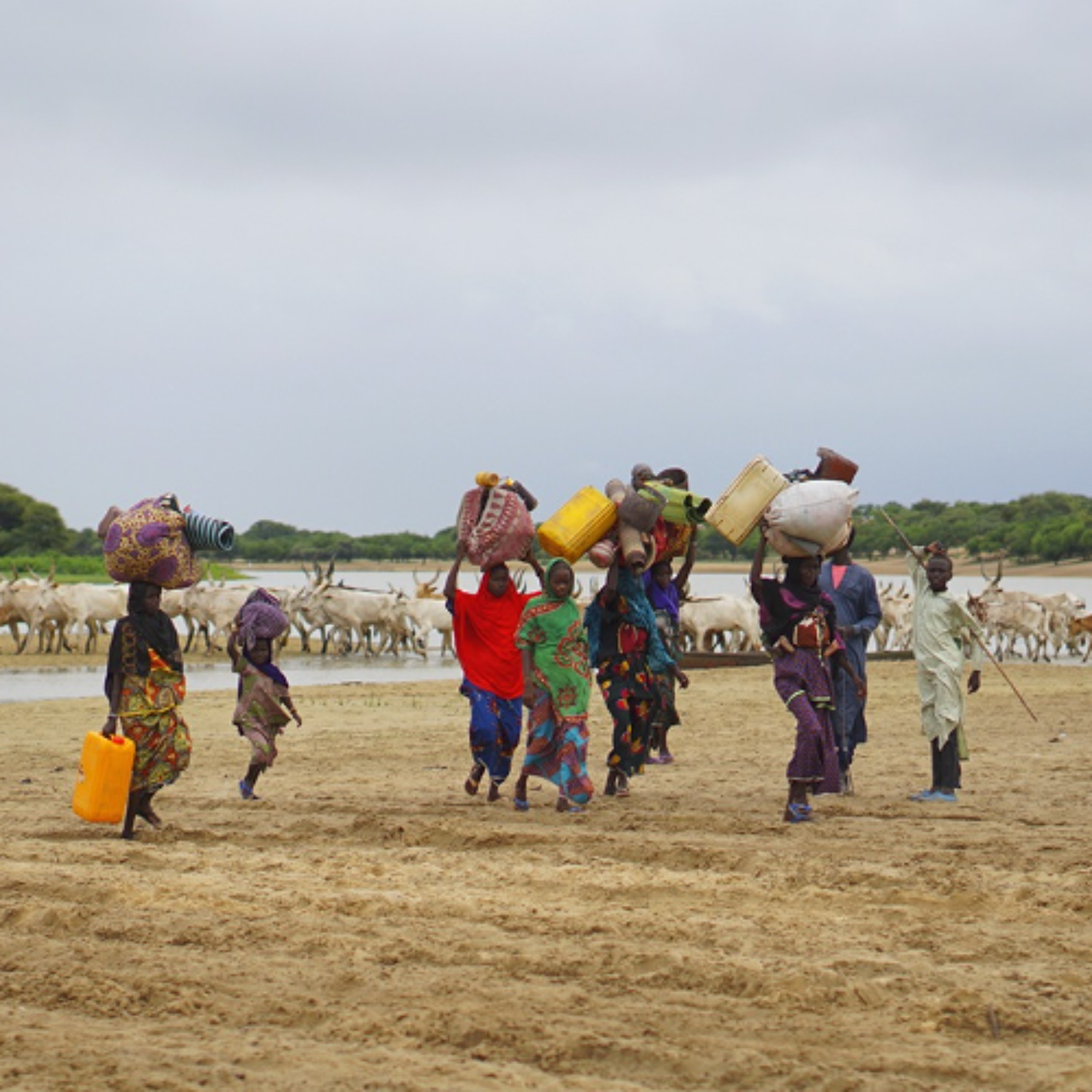
Climate change and armed conflict increasingly intersect in humanitarian settings. While the sector is now alert to climate-related risks – particularly in disaster response, resilience programming, and displacement governance – the ways these risks are interpreted and operationalized vary across institutional mandates and operational contexts. In protection practice within conflict-affected settings, climate impacts are still often framed primarily as “conflict multipliers” rather than direct drivers of civilian harm. This narrow lens risks overlooking the very insecurities communities experience most acutely: displacement, restricted movement, isolation, and livelihood collapse. In this post, researcher and former ICRC delegate Lina Aburas argues that our current conflict-centered analysis has a dangerous blind spot. Drawing on her experience in northeast Nigeria, she explores how communities define their own insecurity amid climate and conflict pressures. Practitioner and community perspectives reveal how climate-related hazards reshape mobility, access to livelihoods and assistance, and exposure to protection risks in ways not fully captured by prevailing conflict-centered analyses. Centering these lived experiences reveals that adapting humanitarian action isn’t about mission creep or expanding mandates; it’s about fundamentally shifting how we interpret and prioritize the risks already in front of us.
You can listen to When the perpetrator is the climate online on Radio and Podcast. Open the player on this page to stream the available audio.
When the perpetrator is the climate is an episode from ICRC Humanitarian Law and Policy Blog by ICRC Humanitarian Law & Policy Blog.
This episode is 00:14:39 long.
This episode was published on Mar 19, 2026.
Yes. Use the heart button on the episode page to add it to your favorite episodes list.
Yes. This page shows related episodes from ICRC Humanitarian Law and Policy Blog when more episodes are available from the podcast feed.
You can listen to When the perpetrator is the climate on this page when the episode audio is available from the podcast feed.
When the perpetrator is the climate is from ICRC Humanitarian Law and Policy Blog by ICRC Humanitarian Law & Policy Blog.
Published Mar 19, 2026 and 00:14:39 long