Gender (re)balancing: the updated ICRC Commentary on the Fourth Geneva Convention
Apr 30, 2026 - 00:18:50
Radio and PodcastLive Radio & Podcasts
More than seven decades after their adoption, the four Geneva Conventions of 1949 remain foundational to contemporary international humanitarian law (IHL). Efforts to update their Commentaries testify to both the resilie...
The adoption of the 1949 Geneva Conventions: a humanitarian break and colonial continuity is an episode from ICRC Humanitarian Law and Policy Blog by ICRC Humanitarian Law & Policy Blog. More than seven decades after their adoption, the fou...
This episode belongs to ICRC Humanitarian Law and Policy Blog.
Use the player on this page to stream the episode online.
Published Feb 26, 2026, 00:16:31 long, audio available.
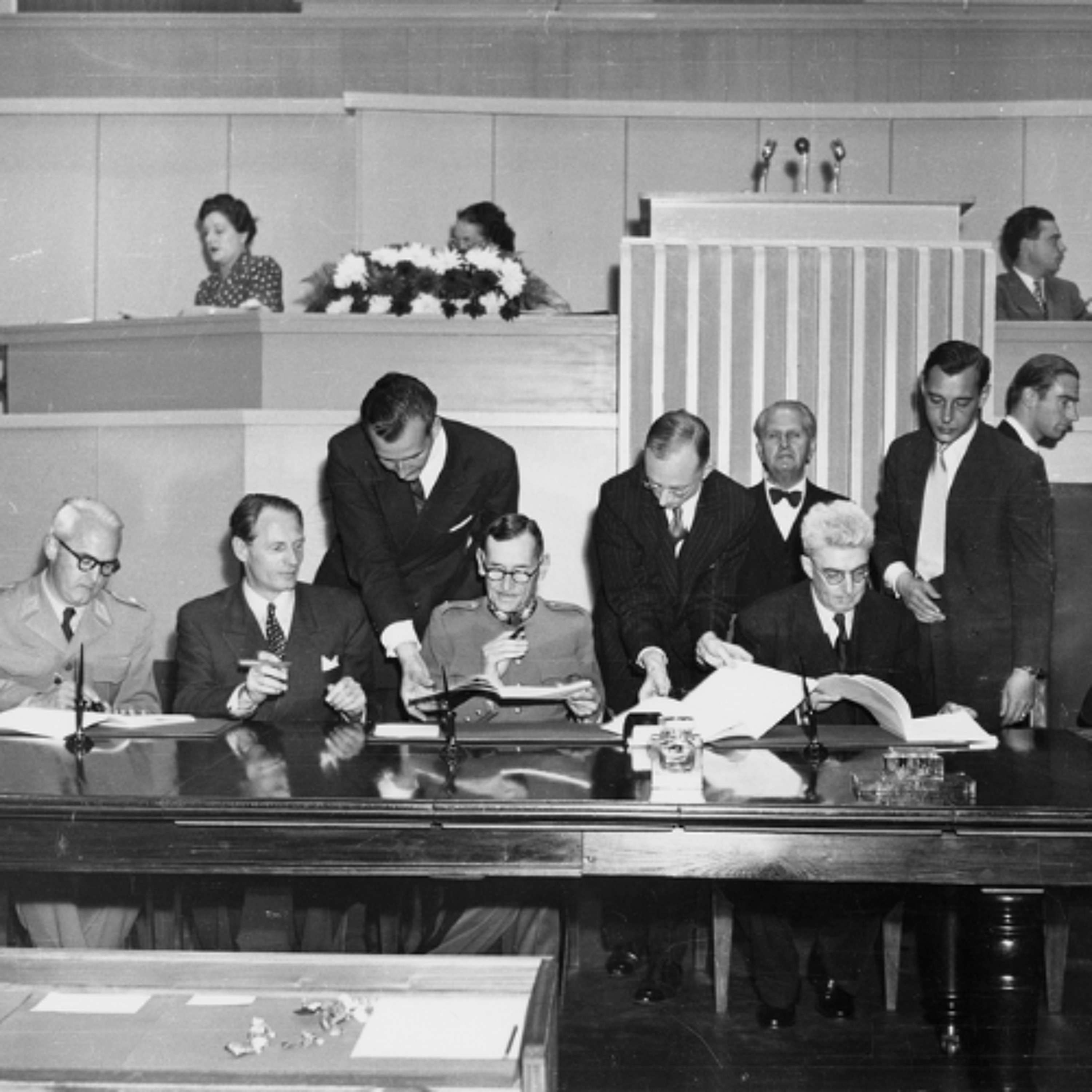
More than seven decades after their adoption, the four Geneva Conventions of 1949 remain foundational to contemporary international humanitarian law (IHL). Efforts to update their Commentaries testify to both the resilience of the Geneva Conventions and their enduring relevance in modern armed conflicts. Yet the story of their making is inseparable from the longer history of the law of armed conflict, which developed in the late nineteenth century within a deeply hierarchical international legal order. From the perspective of colonized states and territories, that history reveals a persistent divide between European and non-European worlds, a divide that shaped not only general international law but also key features of the Geneva Conventions themselves. In this post, part of a joint symposium on the updated Commentary on the Fourth Geneva Convention with EJIL:Talk! and Just Security, Associate Professor Srinivas Burra revisits the adoption of the 1949 Geneva Conventions against the backdrop of the Second World War, the creation of the United Nations, and the onset of decolonization. Focusing on the Fourth Convention’s regime of occupation and on Common Article 3, he examines these developments from a Third World Approaches to International Law (TWAIL) perspective, accounting for the structural legacies of empire in international law. He argues that while these provisions marked important advances, they also carried forward earlier exclusions embedded in colonial conceptions of sovereignty. Read in this light, the Conventions represent both a decisive break in humanitarian protection and a continuation of hierarchies inherited from the nineteenth century.
You can listen to The adoption of the 1949 Geneva Conventions: a humanitarian break and colonial continuity online on Radio and Podcast. Open the player on this page to stream the available audio.
The adoption of the 1949 Geneva Conventions: a humanitarian break and colonial continuity is an episode from ICRC Humanitarian Law and Policy Blog by ICRC Humanitarian Law & Policy Blog.
This episode is 00:16:31 long.
This episode was published on Feb 26, 2026.
Yes. Use the heart button on the episode page to add it to your favorite episodes list.
Yes. This page shows related episodes from ICRC Humanitarian Law and Policy Blog when more episodes are available from the podcast feed.
You can listen to The adoption of the 1949 Geneva Conventions: a humanitarian break and colonial continuity on this page when the episode audio is available from the podcast feed.
The adoption of the 1949 Geneva Conventions: a humanitarian break and colonial continuity is from ICRC Humanitarian Law and Policy Blog by ICRC Humanitarian Law & Policy Blog.
Published Feb 26, 2026 and 00:16:31 long