Radio and PodcastRadio and PodcastLive Radio & Podcasts
P.A.R.R.—The Scientific Method for Habit Development and Behavior Change artwork
Business

P.A.R.R.—The Scientific Method for Habit Development and Behavior Change

Habits 2 Goals: The Habit Factor® Podcast with Martin Grunburg | Goal Achievement, Productivity & Success – Simplified by Martin Grunburg

Apr 23, 202531:52Business

Fifteen years later, things are starting to feel a little uncomfortable. The scientific method— common sense codified— is used for everything under the sun: Marketing? A/B tested. Ads? Split tested. Vaccines. Test Immune...

About This Episode

P.A.R.R.—The Scientific Method for Habit Development and Behavior Change is an episode from Habits 2 Goals: The Habit Factor® Podcast with Martin Grunburg | Goal Achievement, Productivity & Success – Simplified by Martin Grunburg. Fifteen y...

Listen Online

Use the player on this page to stream the episode online.

Episode Details

Published Apr 23, 2025, 31:52 long, audio available.

Questions About This Episode

What is P.A.R.R.—The Scientific Method for Habit Development and Behavior Change about?

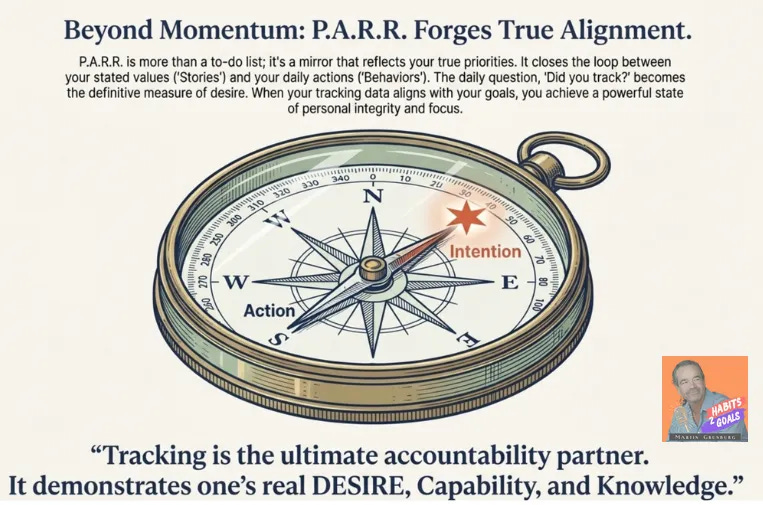
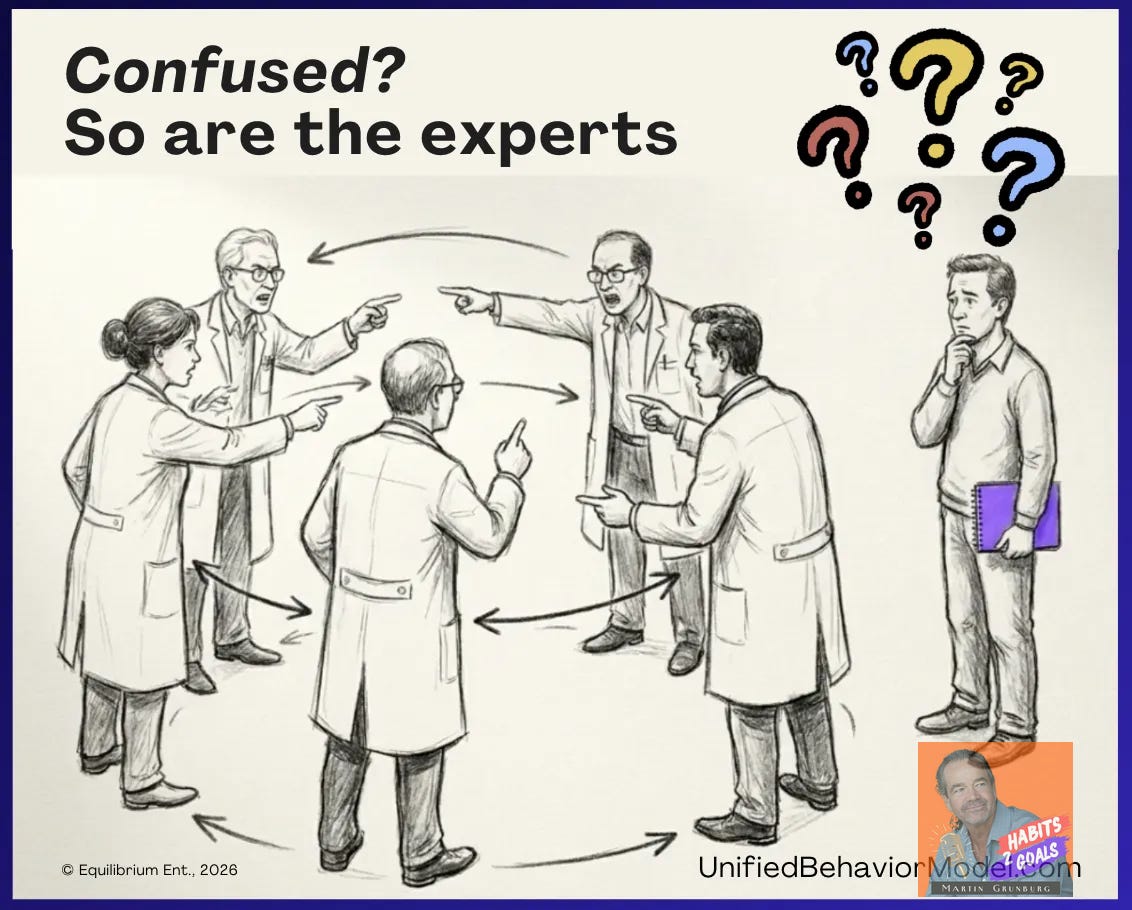
Fifteen years later, things are starting to feel a little uncomfortable. The scientific method— common sense codified— is used for everything under the sun: Marketing? A/B tested. Ads? Split tested. Vaccines. Test Immune Response. Water Purification. Pasteurization Fertilizer. Identify Kill Bacteria Space travel? Rocket science. The scientific method dates back to the 16th and 17th centuries, with brilliant thinkers like Sir Francis Bacon and Isaac Newton laying the groundwork. It’s shaped our world ever since. Yet when it comes to habit development—the stuff that changes lives... Where is the scientific method in habit development? Awkwardly, it seems behavioral science keeps directing us to the habit loop . Again. And again. Cue → Routine → Reward. If you’re a rodent, a deer, or a cow, the habit loop is terrific. 🐁 🐄 🦌 If you’re a human—with choice, intention, and self-reflection? What exactly is the habit loop doing for you? Where’s the plan ? The data collection ? The analysis ? Where’s the mechanism to strengthen the habit’s automaticity over time? Anyone? Bueller? Share That’s the awkward part. The Scientific Method: Step by Step Observation – Identify a problem or ask a question. Hypothesis – Predict a possible explanation or outcome. Experiment – Design and perform a test to gather evidence. Data Collection – Measure and record results. Analysis – Evaluate the data to see what it reveals. Conclusion / Reassessment – Confirm, revise, or reject the hypothesis and iterate. Say it with me: Behavior change requires behavior change. I’m sure that sounds obvious or perhaps even stupid. And, it’s true. It’s a core truth you won’t find in the habit loop. Enter: P.A.R.R.: Plan. Act. Record. Reassess. PARR is the scientific method for behavior change. Here’s how it works—and, dare I say, perfectly aligns with the scientific method. 🔬 P.A.R.R. Is The Scientific Method For Habit Development 1. PLAN = Hypothesis You choose a behavior and create a habit plan. You can even (optionally) align the habit to your goal. Choose the habit you’d like to develop and track. “Writing” for instance. Identify the Minimum Success Criteria (MSC) — e.g., "2 pages" or "20 minutes" Select the Target Days — M/W/F or Tu/Th/Sat. Here you use the rhythm of the week by selecting “Target Days”. This becomes your hypothesis: If I do X, Y will improve and i’ll ultimately achieve Z (goal- writing a book). 2. ACT = Experiment You act according to the plan. Here’s the great news, even if you miss a “Target Day” you’re now gathering data AND you can make it up on a Non-Target Day. 3. RECORD = Track! Data Collection Each day, mark a “1” if you did it—met your MSC, a “0” if not. Important : Add comments—what worked, what didn’t. 4. REASSESS = Analysis + Adjustment After 4 weeks, review your results. If you’re 85% or better (actuals vs targets) you raise the bar—increase your MSC or Target Days. That’s how you cultivate habit strength over time—by design and successive 28-Day habit tracking periods. That’s how you cultivate automaticity—on purpose. This is a public episode. If you'd like to discuss this with other subscribers or get access to bonus episodes, visit habits2goals.substack.com/

Where can I listen to P.A.R.R.—The Scientific Method for Habit Development and Behavior Change?

You can listen to P.A.R.R.—The Scientific Method for Habit Development and Behavior Change online on Radio and Podcast. Open the player on this page to stream the available audio.

Which podcast is P.A.R.R.—The Scientific Method for Habit Development and Behavior Change from?

P.A.R.R.—The Scientific Method for Habit Development and Behavior Change is an episode from Habits 2 Goals: The Habit Factor® Podcast with Martin Grunburg | Goal Achievement, Productivity & Success – Simplified by Martin Grunburg.

How long is this episode?

This episode is 31:52 long.

When was this episode published?

This episode was published on Apr 23, 2025.

Can I save P.A.R.R.—The Scientific Method for Habit Development and Behavior Change for later?

Yes. Use the heart button on the episode page to add it to your favorite episodes list.

Are there related episodes from Habits 2 Goals: The Habit Factor® Podcast with Martin Grunburg | Goal Achievement, Productivity & Success – Simplified?

Yes. This page shows related episodes from Habits 2 Goals: The Habit Factor® Podcast with Martin Grunburg | Goal Achievement, Productivity & Success – Simplified when more episodes are available from the podcast feed.

Quick Answers About This Episode

Where can I listen to P.A.R.R.—The Scientific Method for Habit Development and Behavior Change?

You can listen to P.A.R.R.—The Scientific Method for Habit Development and Behavior Change on this page when the episode audio is available from the podcast feed.

Which podcast is this episode from?

P.A.R.R.—The Scientific Method for Habit Development and Behavior Change is from Habits 2 Goals: The Habit Factor® Podcast with Martin Grunburg | Goal Achievement, Productivity & Success – Simplified by Martin Grunburg.

What are the episode details?

Published Apr 23, 2025 and 31:52 long