Radio and PodcastRadio and PodcastLive Radio & Podcasts
Why do we still have 'peace walls'? artwork
Government & Organizations

Why do we still have 'peace walls'?

Forward Together Podcast by Holywell Trust

Why do we still have ‘peace walls’? Why, a quarter of a century after the Good Friday Agreement, do we still have peace walls? The truth, of course, is that the peace deal ended the conflict, but failed to end division a...

About This Episode

Why do we still have 'peace walls'? is an episode from Forward Together Podcast by Holywell Trust. Why do we still have ‘peace walls’? Why, a quarter of a century after the Good Friday Agreement, do we still have peace walls? The truth, of...

Podcast

This episode belongs to Forward Together Podcast.

Listen Online

Use the player on this page to stream the episode online.

Episode Details

Published Sep 11, 2023, 30:57 long, audio available.

Questions About This Episode

What is Why do we still have 'peace walls'? about?

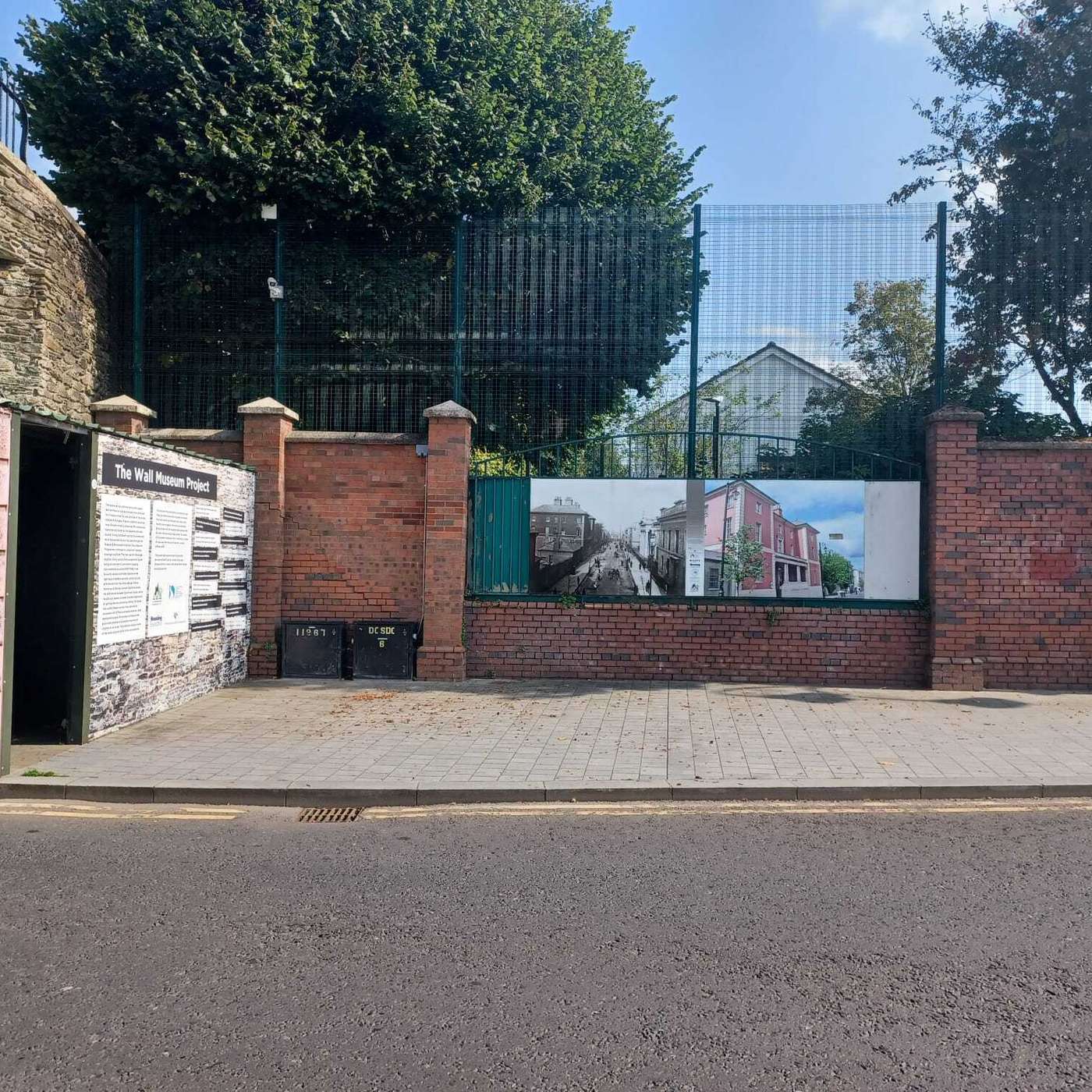
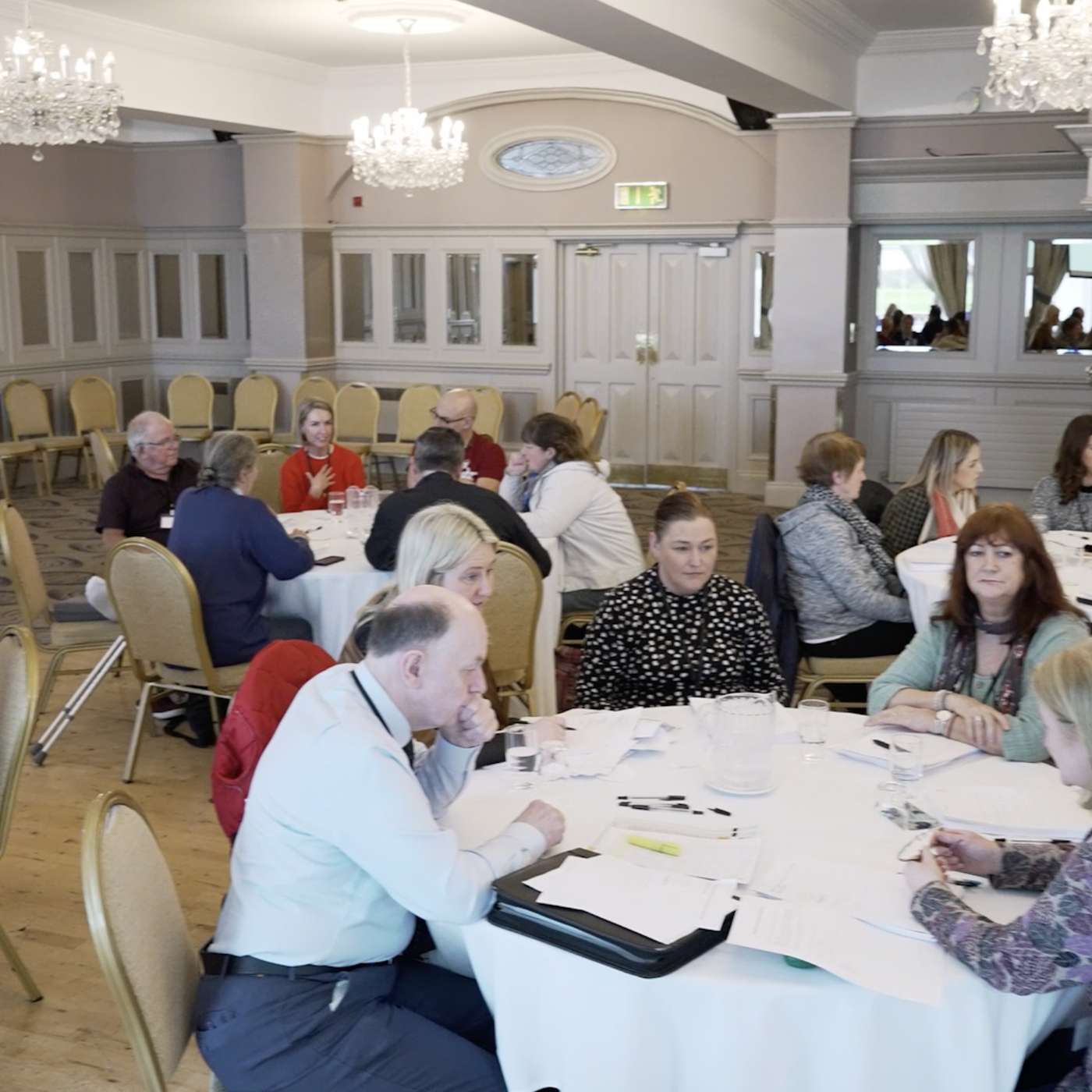
Why do we still have ‘peace walls’? Why, a quarter of a century after the Good Friday Agreement, do we still have peace walls? The truth, of course, is that the peace deal ended the conflict, but failed to end division and embed reconciliation. Murdered journalist Lyra McKee famously wrote that more ‘peace walls’ have gone up in since the GFA than have come down. There are today over 20 miles of those walls, with the majority in Belfast. The most well known of these separate the Falls Road and the Shankill Road, while televised riots over the Northern Ireland Protocol broke out at the barricades at Springfield Road. In Derry, there is just one ‘peace wall’ – which is between the Fountain estate and Bishop Street Without. The Fountain estate is Protestant / unionist and the only part of the city side which is. Yet the southern side of the Fountain estate does not have a peace wall – these are streets which feature terraced housing, much of it in private ownership. And some of that area has become mixed in recent years, with people moving in from other areas, of other traditions, including ethnic minorities and probably some Catholics. So the broader Fountain area is becoming more plural. Because the River Foyle was a natural barrier between the overwhelmingly Catholic city-side and a more Protestant Waterside, we never had the number of peace walls in Derry that became common in Belfast. However, there are two community interfaces on Derry’s Waterside and these are not marked by walls. One of these is the separation of the neighbouring Catholic Curryneiran and Protestant Tullyally estates; the other would be between Irish Street and the Top of the Hill. The positive news from Derry is that a programme has been underway for the last 15 years to reconcile neighbouring communities of different traditions on the Waterside, which has led to the creation of a ‘shared village’, backed by substantial capital investment. This has gained the support from community groups in both the Protestant Irish Street area and the Catholic Top of the Hill. And a project funded by the International Fund for Ireland is engaged in bringing together the Protestant Fountain and Catholic Bishop Street residents on the city side. While these projects represent real progress, we cannot overlook demographic changes that can add to tensions. The birth rate in Protestant communities is lower than amongst Catholics, even today. There is probably a different attitude to birth control for most Catholics now than in the past - but the Protestant population is significantly older than the Catholic population – and Protestants therefore make-up a smaller proportion of the parenting age population. This demographic trend tends to mean that housing pressure in Catholic areas is greater than in Protestant areas. In turn, this can mean there are empty homes in what would traditionally be regarded as Protestant areas, compared to overcrowding in Catholic areas. That creates social tensions and pressure to shift traditional boundaries. In addition, we have many more mixed religion families; and families with no religion. And, of course, more ethnic minorities who can only find empty properties in traditionally Protestant areas, leading to a greater diversity that is not always welcomed. In fact, the entire population growth in Belfast over the last two decades can be explained by the arrival of new ethnic minority communities. What we see is a watering down of the traditional cultural character of some areas, with some residents – including some with paramilitary connections – trying to preserve the long standing monocultures. Not all of these tensions are easily addressed. The latest Holywell Conversations podcast considers the continuing presence of peace walls and community divisions, with contributions from Kyra Reynolds, development worker at the Peace Barriers Programme, and Alison Wallace, strategy manager of the Waterside Neighbourhood Partnership. The podcast is available at the Holywell Trust website . Disclaimer: This project has received support from the Northern Ireland Community Relations Council which aims to promote a pluralist society characterised by equity, respect for diversity, and recognition of interdependence. The views expressed do not necessarily reflect those of the Community Relations Council.

Where can I listen to Why do we still have 'peace walls'??

You can listen to Why do we still have 'peace walls'? online on Radio and Podcast. Open the player on this page to stream the available audio.

Which podcast is Why do we still have 'peace walls'? from?

Why do we still have 'peace walls'? is an episode from Forward Together Podcast by Holywell Trust.

How long is this episode?

This episode is 30:57 long.

When was this episode published?

This episode was published on Sep 11, 2023.

Can I save Why do we still have 'peace walls'? for later?

Yes. Use the heart button on the episode page to add it to your favorite episodes list.

Are there related episodes from Forward Together Podcast?

Yes. This page shows related episodes from Forward Together Podcast when more episodes are available from the podcast feed.

Quick Answers About This Episode

Where can I listen to Why do we still have 'peace walls'??

You can listen to Why do we still have 'peace walls'? on this page when the episode audio is available from the podcast feed.

Which podcast is this episode from?

Why do we still have 'peace walls'? is from Forward Together Podcast by Holywell Trust.

What are the episode details?

Published Sep 11, 2023 and 30:57 long