Radio and PodcastRadio and PodcastLive Radio & Podcasts
Farming in transition artwork
Government & Organizations

Farming in transition

Forward Together Podcast by Holywell Trust

Agriculture is worth around £1.7bn to the Northern Ireland economy, 4% of total economic activity, according to figures published by the Department for the Economy. This compares to farming comprising just 1% of the UK e...

About This Episode

Farming in transition is an episode from Forward Together Podcast by Holywell Trust. Agriculture is worth around £1.7bn to the Northern Ireland economy, 4% of total economic activity, according to figures published by the Department for the...

Podcast

This episode belongs to Forward Together Podcast.

Listen Online

Use the player on this page to stream the episode online.

Episode Details

Published Nov 6, 2023, 42:38 long, audio available.

Questions About This Episode

What is Farming in transition about?

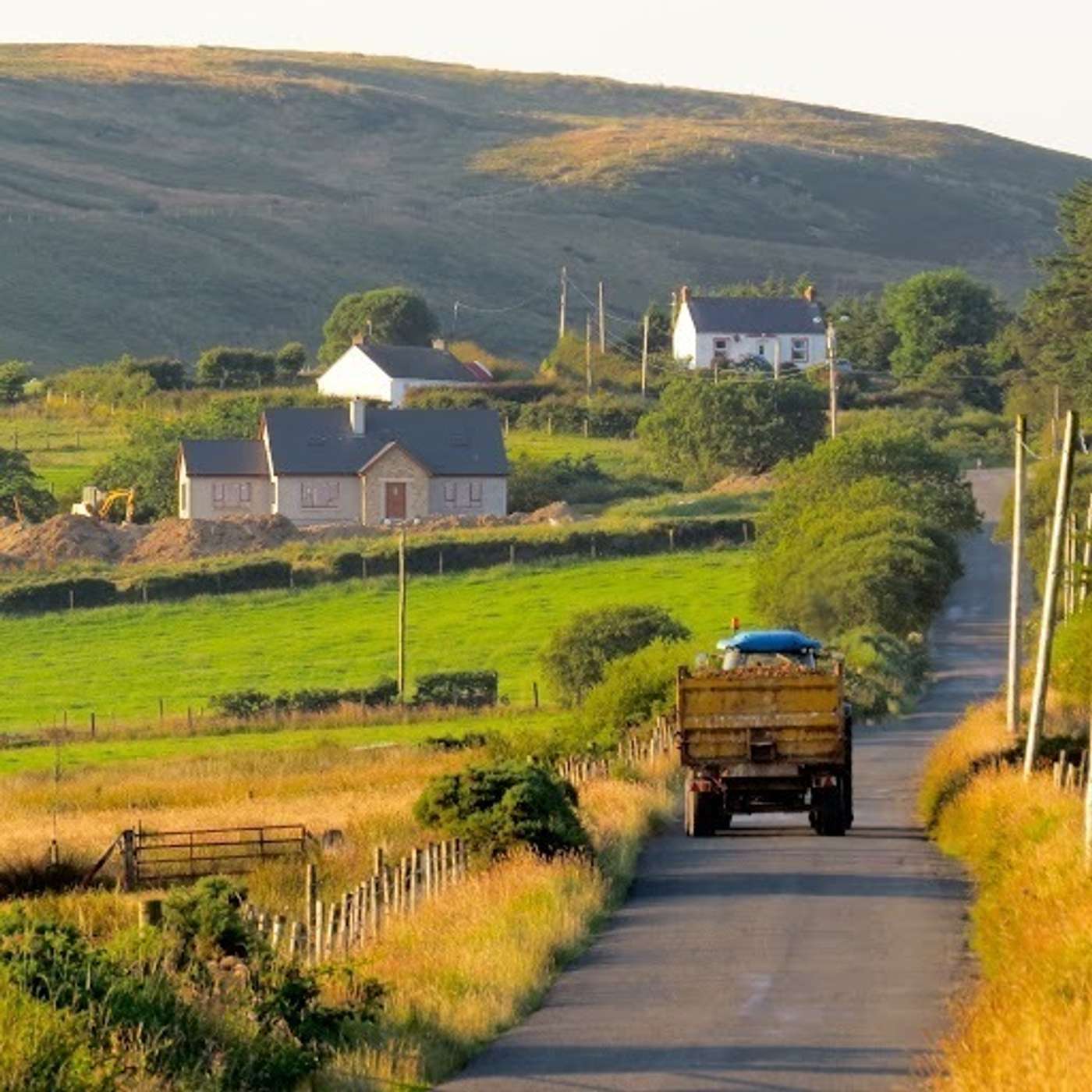
Agriculture is worth around £1.7bn to the Northern Ireland economy, 4% of total economic activity, according to figures published by the Department for the Economy. This compares to farming comprising just 1% of the UK economy – so farming is worth four times more to our economy, proportionately, than to the rest of the UK. But it is a sector that is in transition and worried. Post-Brexit trade deals agreed by the UK with major agricultural economies Australia, New Zealand and South Africa caused anxiety. Further possible deals with Brazil and Canada are increasing that concern. The size of these countries’ farms and farming businesses provide economies of scale that Northern Ireland farms can’t match. The British government has pledged that new trade deals will not involve reductions in environmental protection, food standards or animal welfare. Some campaigners have expressed scepticism about this, at least in the longer term. No government can bind future governments. Both the Ulster Farmers Union and Britain’s National Farmers Union have criticised these trade deals, which they argue damage UK farming interests. Currently around half of UK food consumption is domestically produced. Much of the meat sold by UK supermarkets is bought on international markets. The UK records a trade deficit in both the meat and dairy markets. Pre-Brexit, most agricultural exports were to EU member states. The dairy market represents a specific concern – with farmers selling milk at prices below the cost of production. A few weeks ago the Ulster Farmers’ Union said that farmers were being paid 57 pence per two litre container of milk, out of a then typical £1.65 retail price. That £1.65 compares with farmers’ production cost of 70 pence per two litres. So farmers are losing 13 pence for every two litres of milk they produce, whereas the retailers and processors between them take £1.08 per two litres in terms of their costs, plus margins. It should be explained that some of the processors are dairy co-ops, owned by farmers, though not necessarily controlled by farmers. Moreover, farmers receive additional income through farming support payments. Until Brexit, farmers here received Single Farm Payments, under the European Union’s Common Agricultural Policy. Farmers in Northern Ireland can now claim under the Basic Payment Scheme. A total of £294m is available for payments to farmers who are farming at least three hectares of land – that is 30,000 square metres. The UK government is phasing-out direct payments for farmers in England over a seven year period, providing support instead through public payments for public good – which is focused on environmental protection and climate change mitigation measures. Northern Ireland is making similar changes. The Basic Payment System will be replaced in 2025 by the Farm Sustainability Payment, with new targets and conditions. A new Farm Support and Development Programme will be phased in, with payments reduced. Farmers will increasingly be paid for their environmental supports, along with resilience, efficiency improvement and supply chain development. The latest Holywell Conversations podcast discusses both the impact of Brexit and how farmers can manage the demands on them to meet environmental targets. Interviewees are William Taylor of Farmers for Action and John Gilliland, a former president of the Ulster Farmers Union and an environmental advisor to the agriculture sector. The podcast is available at the Holywell Trust website . Disclaimer: This project has received support from the Northern Ireland Community Relations Council which aims to promote a pluralist society characterised by equity, respect for diversity, and recognition of interdependence. The views expressed do not necessarily reflect those of the Community Relations Council.

Where can I listen to Farming in transition?

You can listen to Farming in transition online on Radio and Podcast. Open the player on this page to stream the available audio.

Which podcast is Farming in transition from?

Farming in transition is an episode from Forward Together Podcast by Holywell Trust.

How long is this episode?

This episode is 42:38 long.

When was this episode published?

This episode was published on Nov 6, 2023.

Can I save Farming in transition for later?

Yes. Use the heart button on the episode page to add it to your favorite episodes list.

Are there related episodes from Forward Together Podcast?

Yes. This page shows related episodes from Forward Together Podcast when more episodes are available from the podcast feed.

Quick Answers About This Episode

Where can I listen to Farming in transition?

You can listen to Farming in transition on this page when the episode audio is available from the podcast feed.

Which podcast is this episode from?

Farming in transition is from Forward Together Podcast by Holywell Trust.

What are the episode details?

Published Nov 6, 2023 and 42:38 long