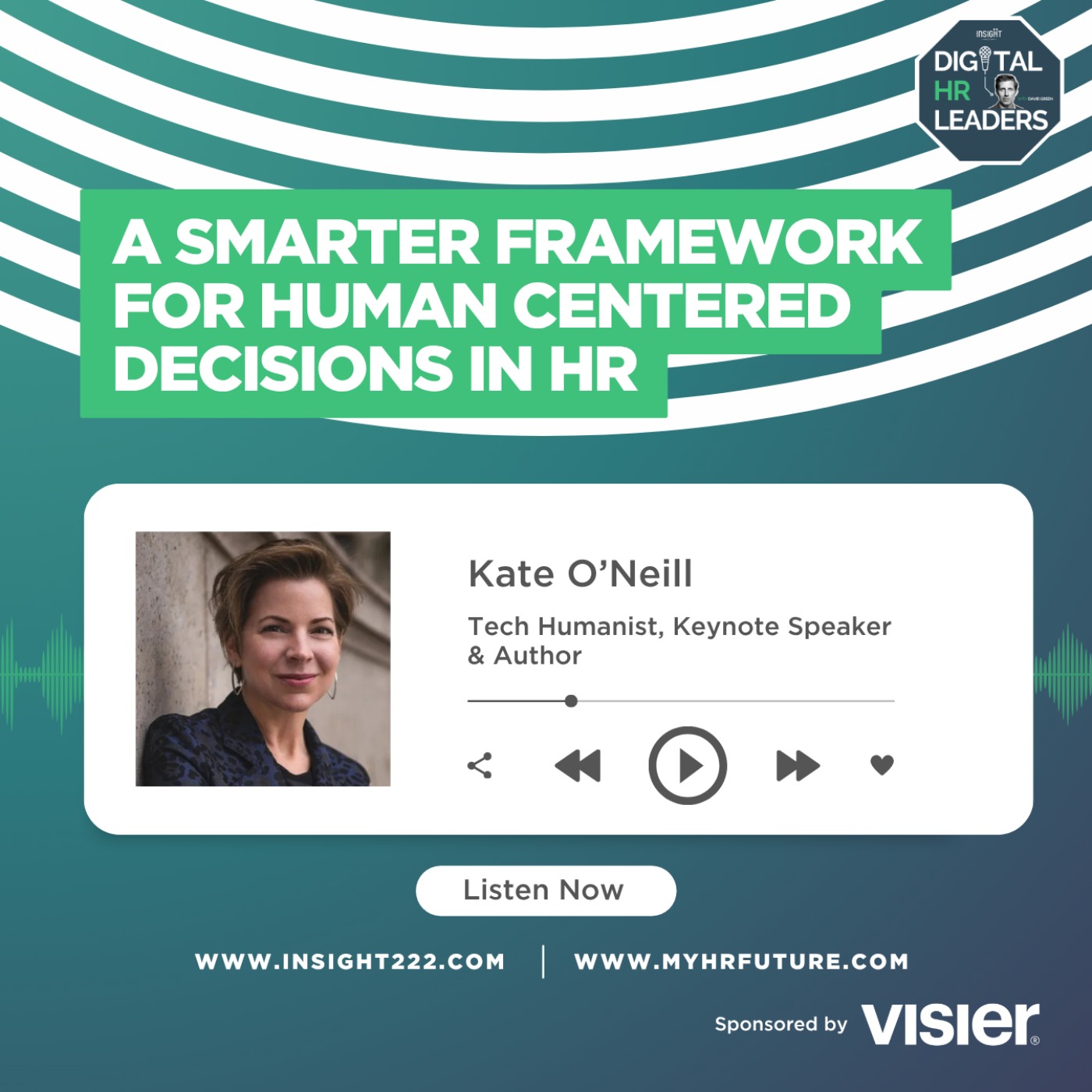
A Smarter Framework for Human Centered Decisions in HR
Apr 28, 2026 - 54:00
 Radio and PodcastLive Radio & Podcasts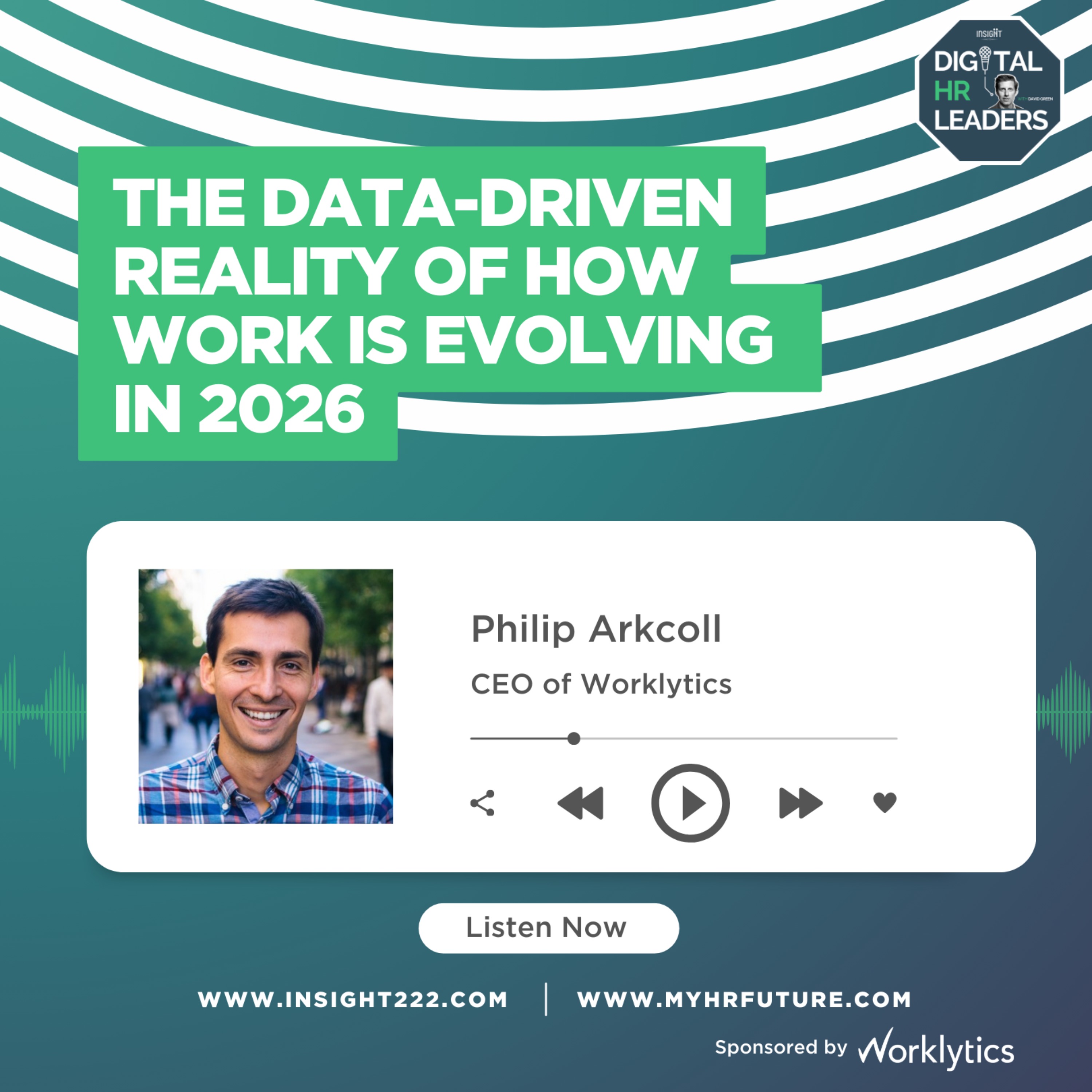
AI was supposed to make work more efficient. So why are people busier than ever? As organisations move into 2026, many leaders are realising that while technology has changed quickly, the fundamentals of how work gets do...
The Data-Driven Reality of How Work Is Evolving in 2026 is an episode from Digital HR Leaders with David Green by Stefan Kesic. AI was supposed to make work more efficient. So why are people busier than ever? As organisations move into 2026...
This episode belongs to Digital HR Leaders with David Green.
Use the player on this page to stream the episode online.
Published Jan 27, 2026, 52:20 long, audio available.
Continue listening to more episodes from Digital HR Leaders with David Green.
Apr 28, 2026 - 54:00
Apr 21, 2026 - 49:19
Apr 14, 2026 - 47:04
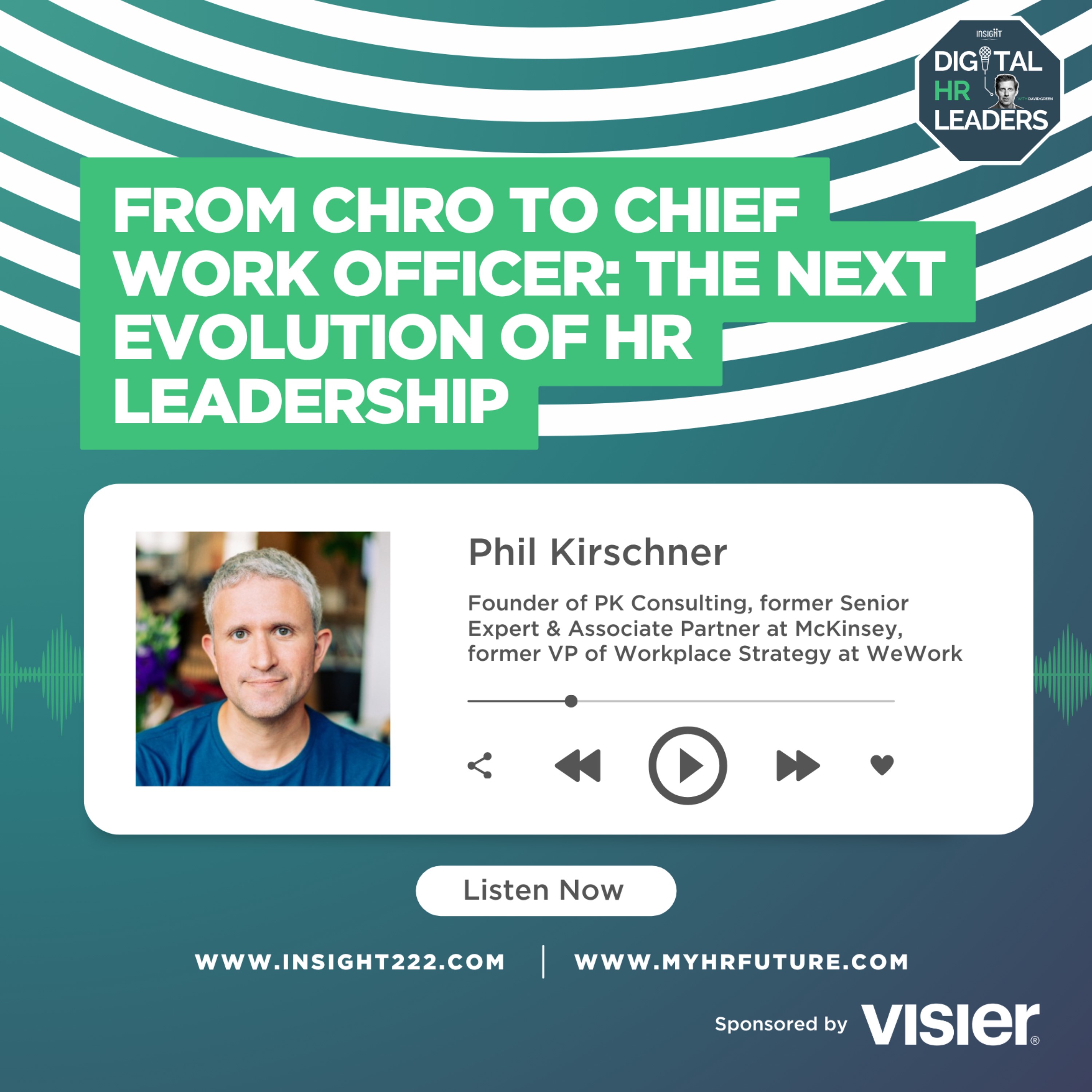
Apr 7, 2026 - 51:58

Mar 31, 2026 - 46:50
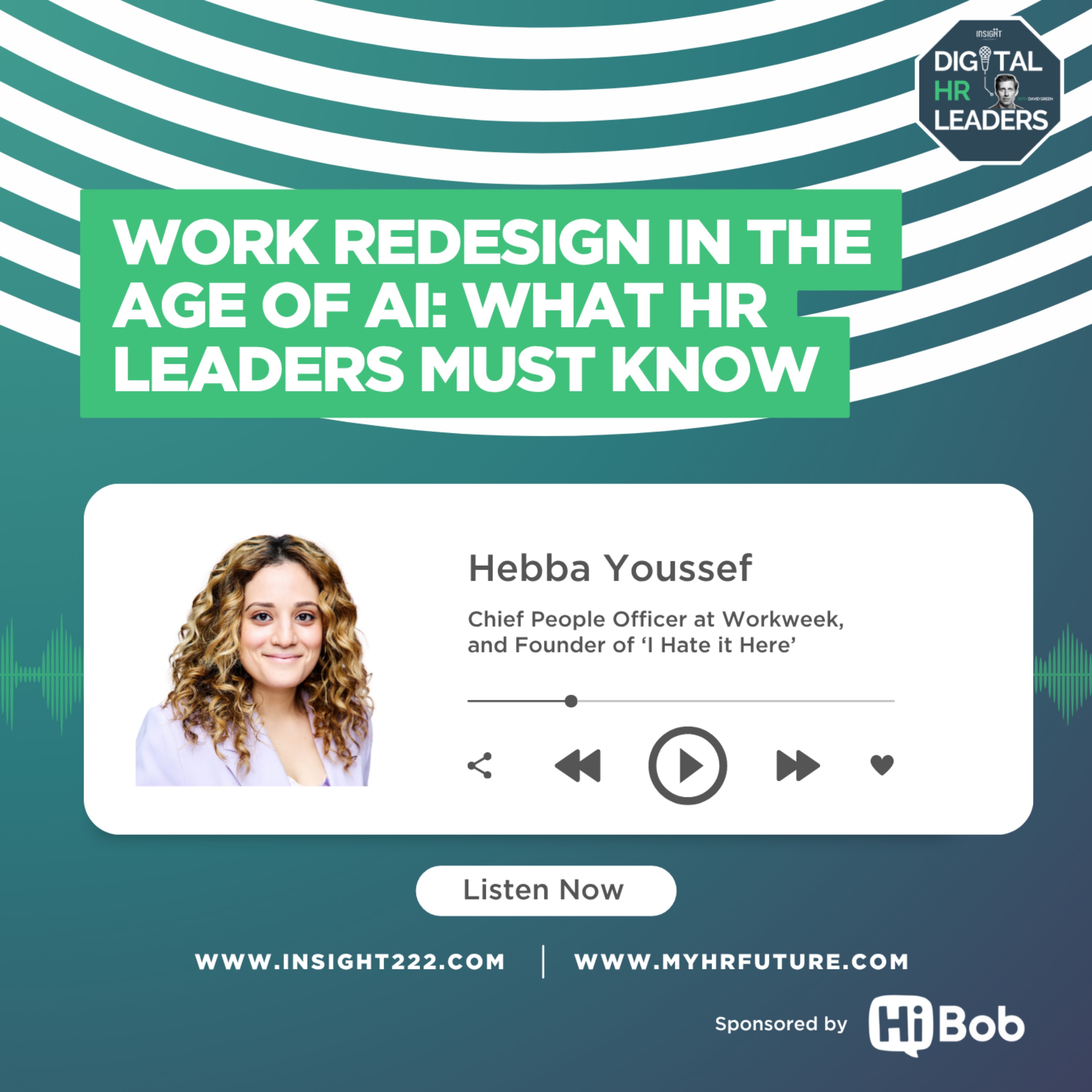
Mar 24, 2026 - 45:29
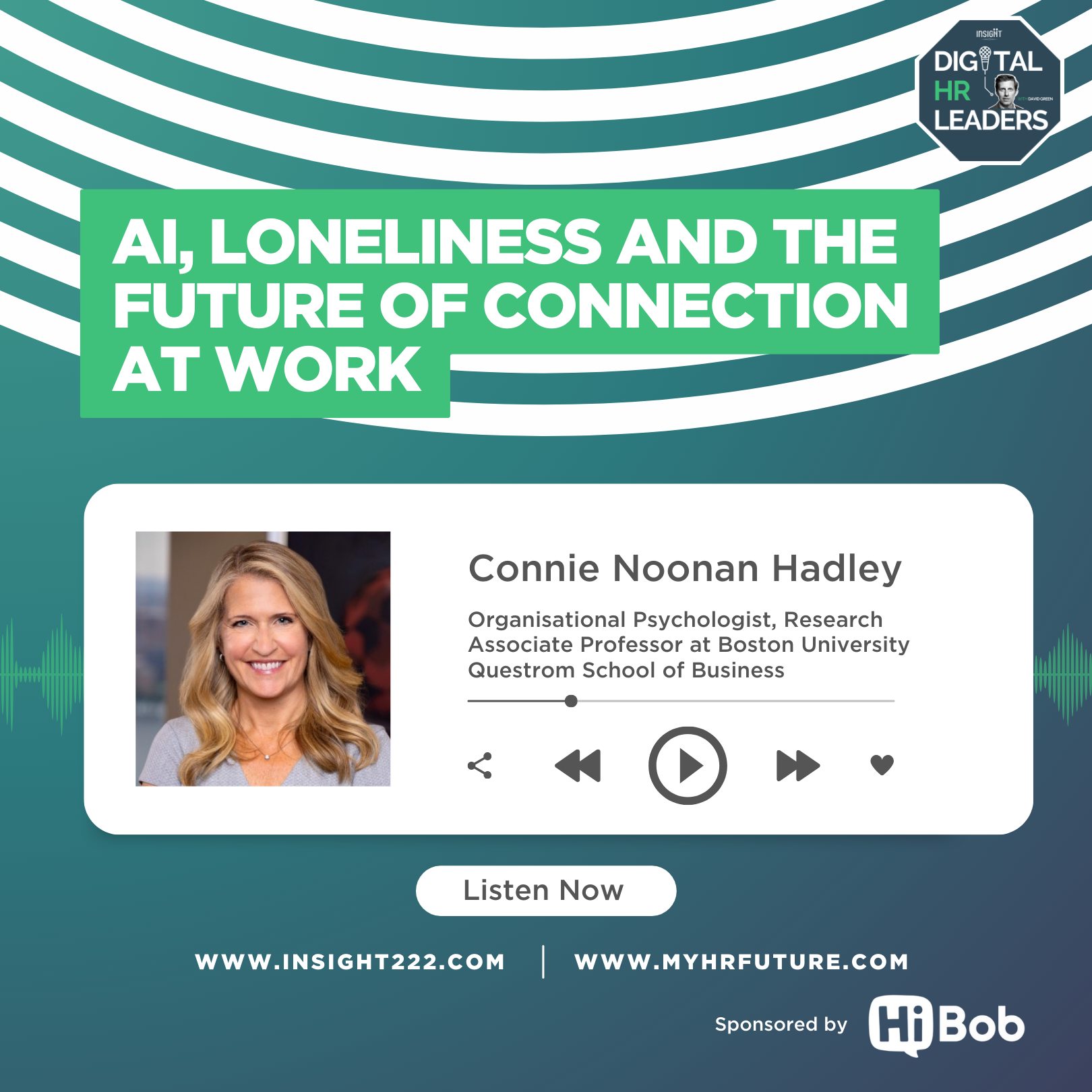
Mar 17, 2026 - 54:02
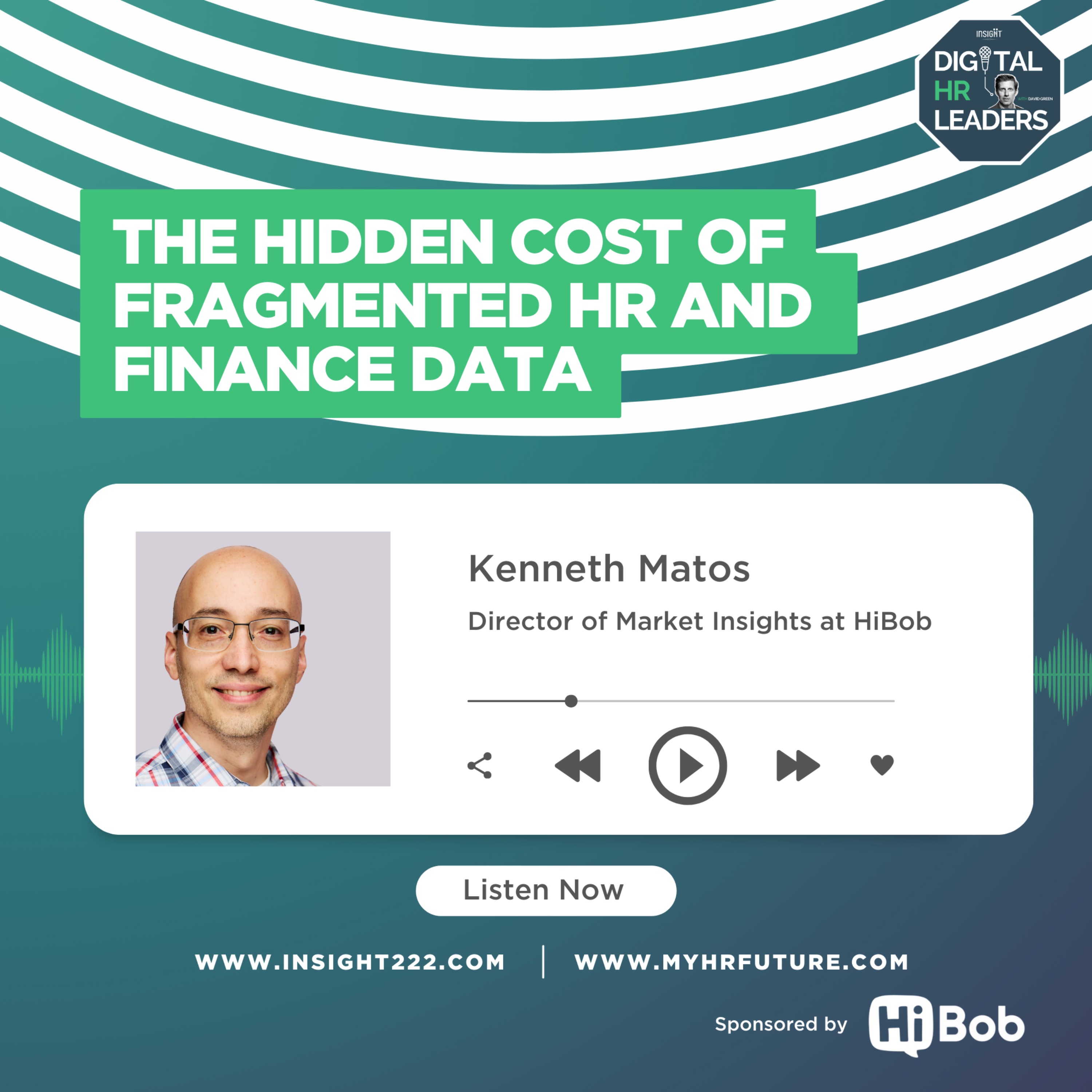
Mar 10, 2026 - 51:34
AI was supposed to make work more efficient. So why are people busier than ever? As organisations move into 2026, many leaders are realising that while technology has changed quickly, the fundamentals of how work gets done haven’t kept up. Activity is increasing, output is accelerating in places - yet coordination, focus, and decision-making often feel harder than before. So what’s actually going on? In this episode of the Digital HR Leaders podcast, David Green is joined by Philip Arkcoll , Founder and CEO of Worklytics, to unpack this very question. Join this dynamic duo, as they discuss: What the data reveals around where organisations were getting stuck in 2025, and how the way we work is changing in 2026 What collaboration and activity data reveals that traditional HR metrics often miss Why decision-making, not output, is becoming the primary bottleneck in AI-enabled organisations How increasing spans of control are reshaping the role, and load, of managers The emerging divide between teams and individuals who are benefiting from AI and those who aren’t What HR and people analytics leaders can do to measure, diagnose, and redesign how work actually happens This episode is sponsored by Worklytics. Worklytics helps leaders understand how work actually happens with data-driven insights into collaboration, productivity and AI adoption. By analysing real work patterns - from meetings to tool usage - they empower teams to work = Learn more at worklytics.co/ai Link to resources: 5 Ways Work Will Change in 2026 Hosted on Acast. See acast.com/privacy for more information.
You can listen to The Data-Driven Reality of How Work Is Evolving in 2026 online on Radio and Podcast. Open the player on this page to stream the available audio.
The Data-Driven Reality of How Work Is Evolving in 2026 is an episode from Digital HR Leaders with David Green by Stefan Kesic.
This episode is 52:20 long.
This episode was published on Jan 27, 2026.
Yes. Use the heart button on the episode page to add it to your favorite episodes list.
Yes. This page shows related episodes from Digital HR Leaders with David Green when more episodes are available from the podcast feed.
You can listen to The Data-Driven Reality of How Work Is Evolving in 2026 on this page when the episode audio is available from the podcast feed.
The Data-Driven Reality of How Work Is Evolving in 2026 is from Digital HR Leaders with David Green by Stefan Kesic.
Published Jan 27, 2026 and 52:20 long