Radio and PodcastRadio and PodcastLive Radio & Podcasts
History of Spices: commerce, colonialism and culinary innovation artwork
Society & Culture

History of Spices: commerce, colonialism and culinary innovation

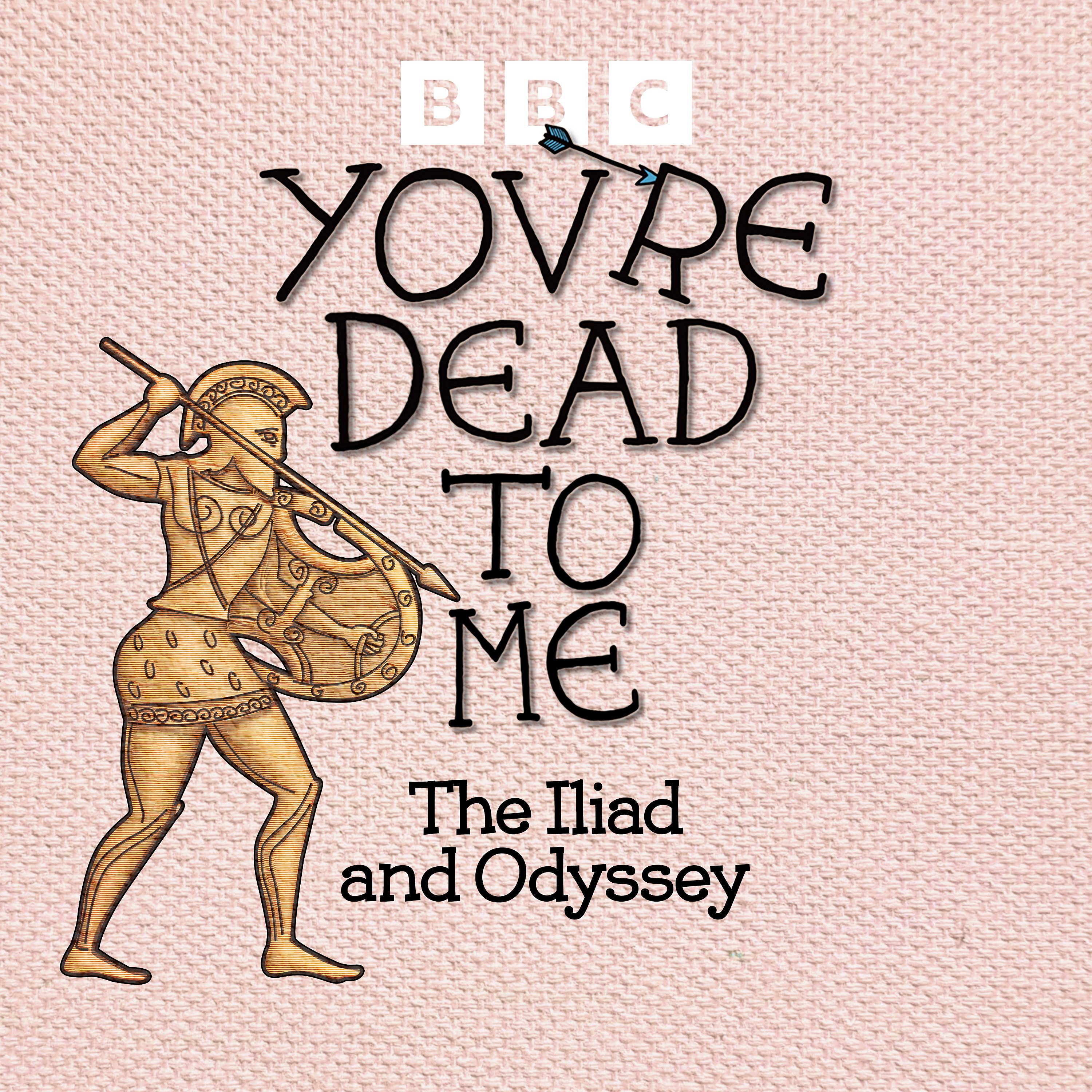
You're Dead To Me by BBC

Mar 20, 202657:59Society & Culture

Greg Jenner is joined by historian Dr David Veevers and comedian and quizzer Paul Sinha to learn all about the global history of spices and the spice trade. Nowadays, we take spices for granted, and our kitchen cabinets...

About This Episode

History of Spices: commerce, colonialism and culinary innovation is an episode from You're Dead To Me by BBC. Greg Jenner is joined by historian Dr David Veevers and comedian and quizzer Paul Sinha to learn all about the global history of s...

Podcast

This episode belongs to You're Dead To Me.

Listen Online

Use the player on this page to stream the episode online.

Episode Details

Published Mar 20, 2026, 57:59 long, audio available.

Questions About This Episode

What is History of Spices: commerce, colonialism and culinary innovation about?

Greg Jenner is joined by historian Dr David Veevers and comedian and quizzer Paul Sinha to learn all about the global history of spices and the spice trade. Nowadays, we take spices for granted, and our kitchen cabinets are full of ginger and cinnamon, cumin and coriander, pepper and nutmeg. But despite their contemporary status as a staple of diets around the world, the majority of spices are native only to Asia (barring notable exceptions like chilli peppers). In this episode, we tell the story of how spices went global, from the very earliest days of the spice trade within Asia, through the empires of Alexander the Great and Rome as spices made their way into Europe, and into the colonial period, as the Dutch and British East India Companies vied to monopolise this lucrative trade. Along the way, we focus on five of the most commonly traded spices – pepper, nutmeg, cinnamon, cloves and chilli – asking how their use changed across time, and as they were traded from place to place. From pharaohs possibly being embalmed with cinnamon, to medieval kings demanding rent in peppercorns, and nutmeg as a cure for plague, we look at the varied uses to which people all over the world have put these precious and expensive commodities. If you’re a fan of food fads of the past, histories of globalisation and cultural exchange, and surprising ancient beliefs, you’ll love our episode on the History of Spices. If you want to learn more about the history of commodities, listen to our episodes on the history of chocolate or coffee. And for more on global trade, check out our episode on the Columbian Exchange. You’re Dead To Me is the comedy podcast that takes history seriously. Every episode, Greg Jenner brings together the best names in history and comedy to learn and laugh about the past. Hosted by: Greg Jenner Research by: Emma Mitchell and Adam Simcox Written by: Dr Emmie Rose Price-Goodfellow, Dr Emma Nagouse, and Greg Jenner Produced by: Dr Emmie Rose Price-Goodfellow and Greg Jenner Audio Producer: Steve Hankey Production Coordinator: Gill Huggett Senior Producer: Dr Emma Nagouse Executive Editor: Philip Sellars

Where can I listen to History of Spices: commerce, colonialism and culinary innovation?

You can listen to History of Spices: commerce, colonialism and culinary innovation online on Radio and Podcast. Open the player on this page to stream the available audio.

Which podcast is History of Spices: commerce, colonialism and culinary innovation from?

History of Spices: commerce, colonialism and culinary innovation is an episode from You're Dead To Me by BBC.

How long is this episode?

This episode is 57:59 long.

When was this episode published?

This episode was published on Mar 20, 2026.

Can I save History of Spices: commerce, colonialism and culinary innovation for later?

Yes. Use the heart button on the episode page to add it to your favorite episodes list.

Are there related episodes from You're Dead To Me?

Yes. This page shows related episodes from You're Dead To Me when more episodes are available from the podcast feed.