Why Do We Hide Our Faces When We’re Emotionally Vulnerable?
Covering our faces when crying may reflect more than sadness; it may also involve shame, emotional exposure, and the desire to withdraw from...
 Radio and PodcastLive Radio & Podcasts
This podcast is designed for individuals with or without a background in science to the modern field of neuroscience. Drawing on everyday experience and popular books, as well as current res...
Covering our faces when crying may reflect more than sadness; it may also involve shame, emotional exposure, and the desire to withdraw from...
Why does one person experience significant side effects from a psychiatric medication while another tolerates the same dose without difficul...
Why do GLP-1 medications make some people think less about food? This crossover with The GLP-1 Effect explores how the hypothalamus, dopamin...
xplore neuroadaptation, receptor regulation, and homeostasis to understand why the nervous system responds to sudden changes in medication e...
What happens inside the brain when sodium thiopental or scopolamine alters consciousness? This episode examines GABA, acetylcholine, the hip...
All SSRIs work by boosting serotonin availability in the brain, but that shared mechanism doesn’t mean they behave the same way once they ge...
A concussion can trigger a complex chain reaction involving mechanical stretching, neurotransmitter release, calcium influx, and disrupted e...
Dopamine is often described as the brain's pleasure chemical, but its functions extend far beyond feelings of reward. This episode explores...
Explore the amygdala, hippocampus, prefrontal cortex, and stress-response systems. Examine fear conditioning, threat generalization, and why...
Examine serotonergic pathways, receptor signaling, and neuroplasticity while explaining why depression cannot be reduced to a simple chemica...
Explore the olfactory bulb, piriform cortex, amygdala, hippocampus, and neural pathways connecting odor recognition with autobiographical me...
Serotonin plays an important role in mood regulation, emotional processing, sleep, and communication between neurons, but its relationship w...
Antidepressants influence neurotransmission relatively quickly, yet meaningful clinical improvement often takes longer. This episode explore...
Imagine developing what appears to be schizophrenia almost overnight, only for doctors to discover that your immune system may be attacking...
Dopamine doesn't run on a single track — it moves through four distinct pathways in the brain, and each one produces a very different story...
Dopamine is routinely described as the brain’s “pleasure chemical,” but that description leaves out much of the story. Dopamine systems part...
Have you ever suddenly looked across a room and discovered that someone was staring directly at you? It can feel almost supernatural, as tho...
Hidden deep inside the head, a small cluster of control centers decides which of our physical movements and mental impulses actually happen....
This episode examines the architecture and physiology of the default mode network (DMN), a large-scale neural network that activates during...
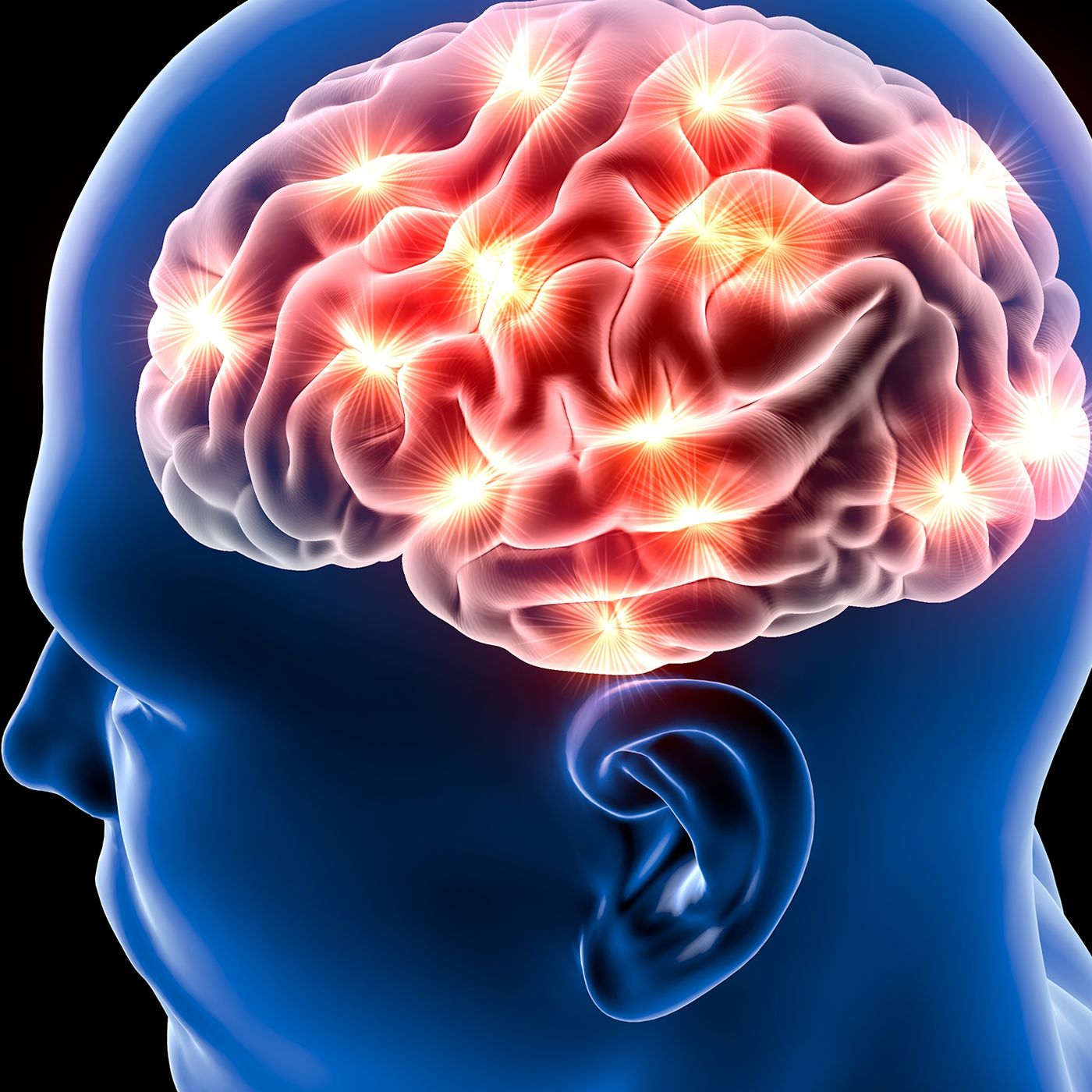
The parietal lobe maps the body and space; the temporal lobe maps sound, meaning, and memory. Confusing them is how people turn every MRI fi...