The Ambassador, the President, and Me: an Unlikely Reunion in India
Aug 28, 2025 - 21:44

Radio and PodcastLive Radio & Podcasts
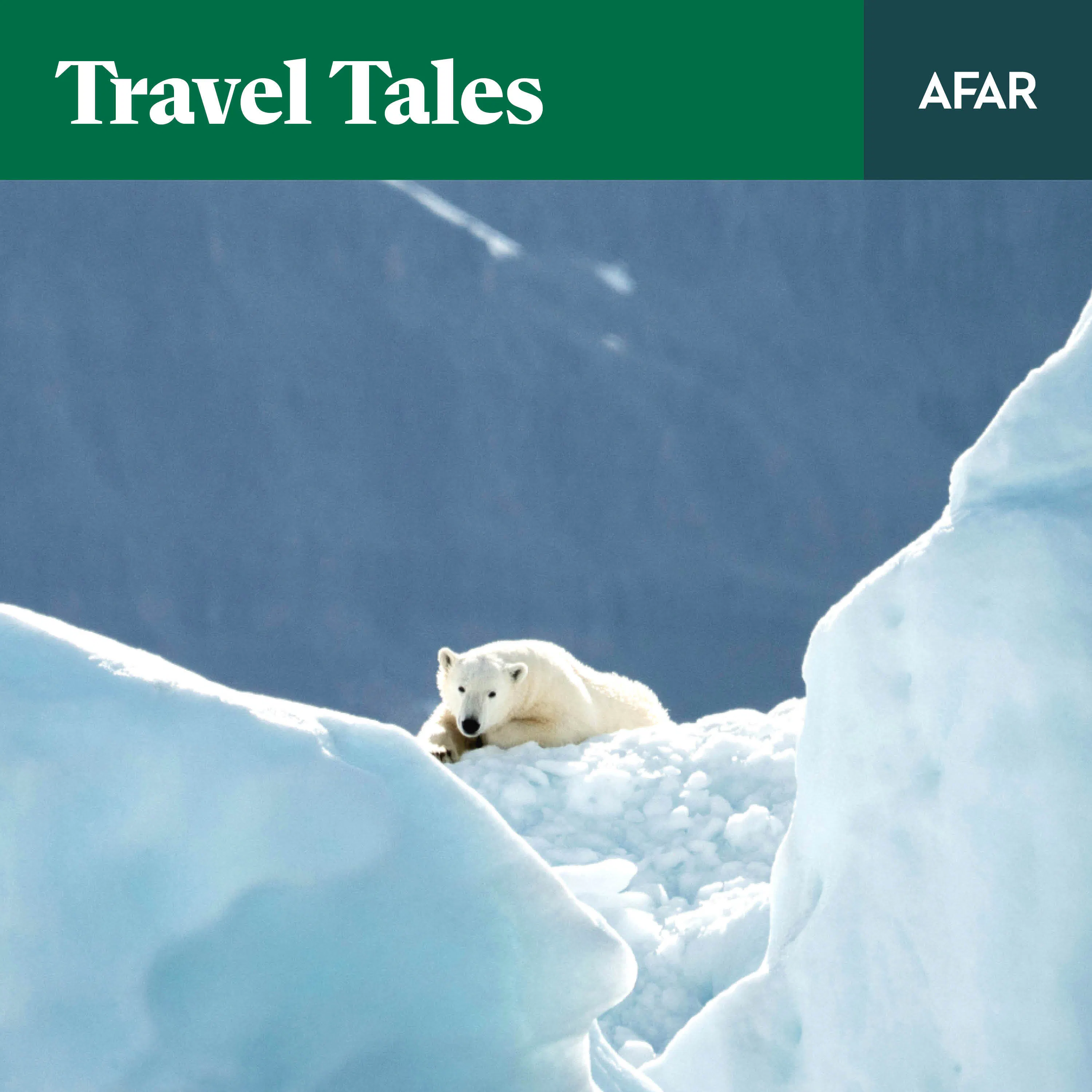
When polar bear biologist Alysa McCall was growing up in Kamloops, British Columbia, watching black bears raid fruit trees outside her living room window, she never imagined she'd dedicate her life to their Arctic cousin...
Replay: Why a Wildlife Biologist Traded Mice for the World's Most Dangerous Predator is an episode from Travel Tales by AFAR by Afar. When polar bear biologist Alysa McCall was growing up in Kamloops, British Columbia, watching black bears...
This episode belongs to Travel Tales by AFAR.
Use the player on this page to stream the episode online.
Published Aug 14, 2025, 24:14 long, audio available.
When polar bear biologist Alysa McCall was growing up in Kamloops, British Columbia, watching black bears raid fruit trees outside her living room window, she never imagined she'd dedicate her life to their Arctic cousins. But sometimes the most profound career changes happen when you least expect them—like when a world-renowned scientist responds to your "what's the worst that could happen?" email with "Sure. Come over. See you in September." McCall's journey from studying desert mice to becoming a polar bear researcher took her from the semi-arid landscapes of British Columbia to the frozen sea ice of Hudson Bay, where she learned that conservation isn't just about data—it's about connection, storytelling, and what she calls "big feelings." Don't miss these unforgettable moments: Growing up with black bears as backyard visitors (and banging pots to make them leave) The "imposter syndrome" email that changed everything Sleeping on a tundra buggy and mistaking a polar bear for a rock Getting stranded alone on moving sea ice in -30°F weather The mortifying moment of accidentally pointing a shotgun at your helicopter pilot (who later became her husband) Holding her first polar bear cub and feeling the weight of conservation responsibility Why emotion and storytelling are the key to saving Arctic habitat The sobering reality: this polar bear population has dropped from 1,200 to just over 600 bears The Science Behind the Story: McCall explains why polar bear conservation requires a completely different approach than other wildlife protection—you can't fence sea ice or hire patrols to guard it. Saving polar bears means addressing global climate change, making it one of the most complex conservation challenges on Earth. Resources: Learn more about Polar Bears International Discover Churchill, Manitoba as a polar bear viewing destination Read the transcript of this episode Listen to Alysa McCall's TED talk Be sure to
You can listen to Replay: Why a Wildlife Biologist Traded Mice for the World's Most Dangerous Predator online on Radio and Podcast. Open the player on this page to stream the available audio.
Replay: Why a Wildlife Biologist Traded Mice for the World's Most Dangerous Predator is an episode from Travel Tales by AFAR by Afar.
This episode is 24:14 long.
This episode was published on Aug 14, 2025.
Yes. Use the heart button on the episode page to add it to your favorite episodes list.
Yes. This page shows related episodes from Travel Tales by AFAR when more episodes are available from the podcast feed.
You can listen to Replay: Why a Wildlife Biologist Traded Mice for the World's Most Dangerous Predator on this page when the episode audio is available from the podcast feed.
Replay: Why a Wildlife Biologist Traded Mice for the World's Most Dangerous Predator is from Travel Tales by AFAR by Afar.
Published Aug 14, 2025 and 24:14 long