Radio and PodcastRadio and PodcastLive Radio & Podcasts
138. Machu Picchu Through a New Lens: Archaeologist José Bastante Reframes the Inca Legacy artwork
Science & Medicine

138. Machu Picchu Through a New Lens: Archaeologist José Bastante Reframes the Inca Legacy

Transmedia by Esteban Galán

Aug 14, 202520:00Science & Medicine

What if the future of leadership came not from Silicon Valley, but from the highlands of the Andes? In a remarkable interview, archaeologist José Bastante shares how ancient Andean systems like Ayni (reciprocity), Minka...

About This Episode

138. Machu Picchu Through a New Lens: Archaeologist José Bastante Reframes the Inca Legacy is an episode from Transmedia by Esteban Galán. What if the future of leadership came not from Silicon Valley, but from the highlands of the Andes? I...

Podcast

This episode belongs to Transmedia.

Listen Online

Use the player on this page to stream the episode online.

Episode Details

Published Aug 14, 2025, 20:00 long, audio available.

Questions About This Episode

What is 138. Machu Picchu Through a New Lens: Archaeologist José Bastante Reframes the Inca Legacy about?

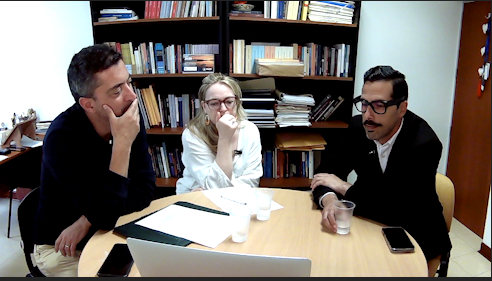
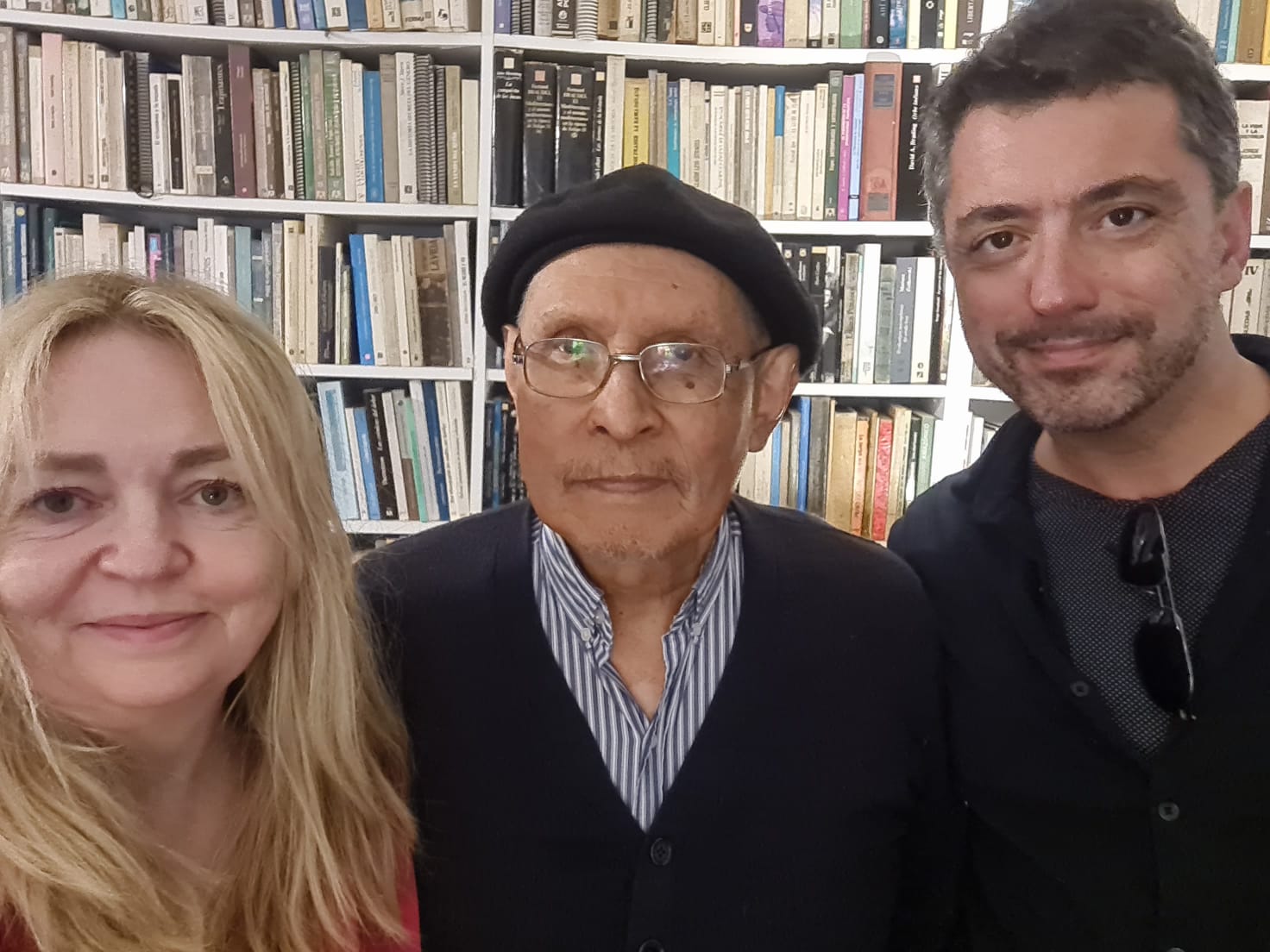
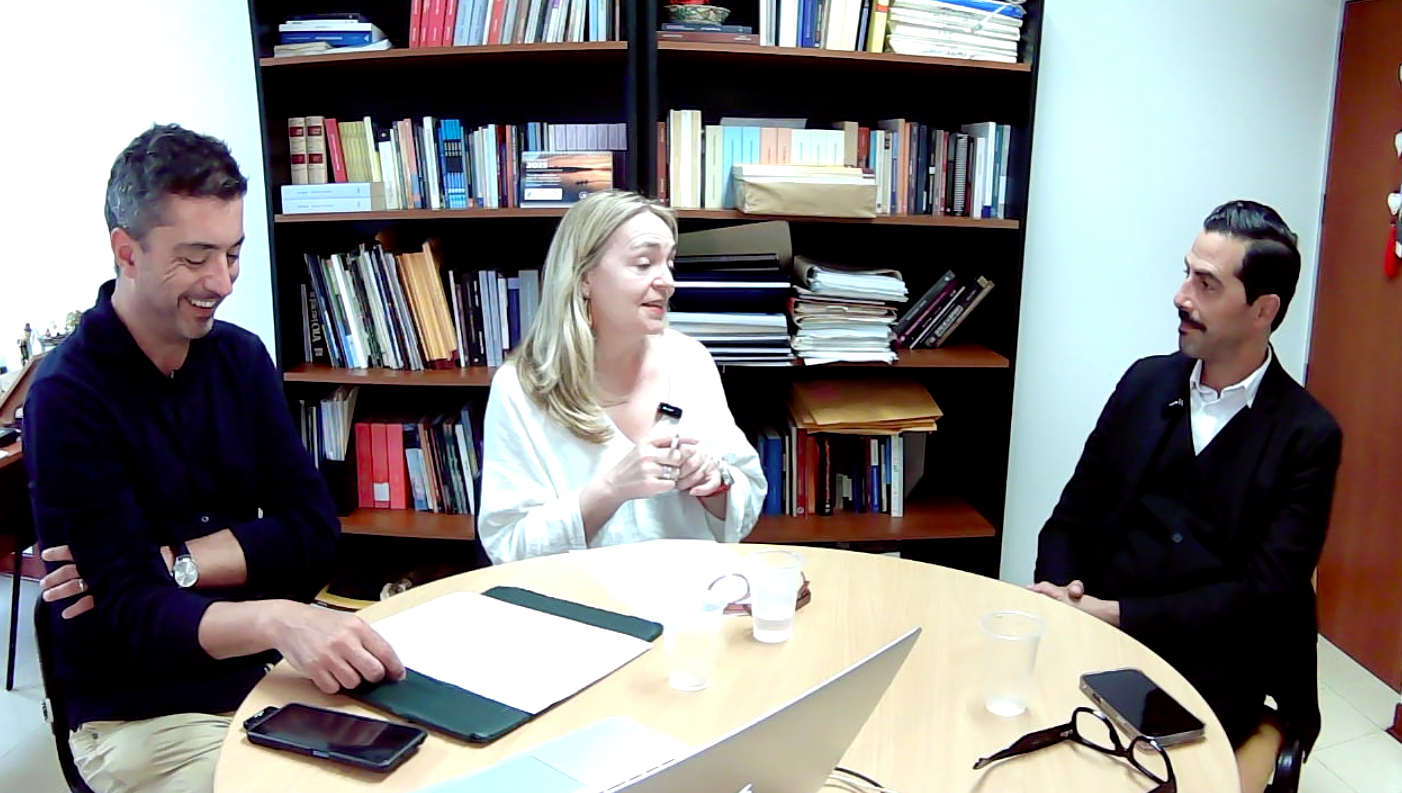
What if the future of leadership came not from Silicon Valley, but from the highlands of the Andes? In a remarkable interview, archaeologist José Bastante shares how ancient Andean systems like Ayni (reciprocity), Minka (community work), and Mita (state labor) are more than cultural curiosities—they're blueprints for sustainable leadership and collaborative action. From directing archaeological projects in Machu Picchu to redefining how we see cultural heritage, Bastante demonstrates that values rooted in reciprocity, respect, and collective effort still thrive. His vision offers a powerful alternative to competitive, individualistic leadership models. He also cautions against reading ancient sites through Western categories: "We must understand these cultures on their own terms," he insists. The conversation bridges past and present, heritage and innovation, reminding communicators and leaders alike that sometimes the most radical future lies in ancestral wisdom. Ancient Reciprocity and Modern Lessons from Machu Picchu Interviewers: Esteban Galán & Lindsey Drylie Carey Guest: José Bastante, archaeologist and former director of the National Archaeological Park of Machu Picchu Q: Let's begin with three key Inca concepts: Ayni, Minka, and Mita. What are they? José Bastante: They are ancient Andean systems of reciprocity. Ayni is mutual aid within families; Minka refers to communal labor; and Mita was organized by the state. These systems enabled the construction of monumental infrastructure and were essential to Andean society. They've existed for over 5,000 years and still persist in some communities today. Q: How were these principles reflected in Machu Picchu? José Bastante: Machu Picchu is the product of a collective effort, guided by reciprocity and state organization. Roads, terraces, and canals were not built through forced labor or monetary systems, but through shared responsibilities among the people. Q: How did the Inca relate to nature in their urban planning? José Bastante: Their architecture shows deep respect for the environment. They didn't flatten landscapes—they adapted to them. This balance between human activity and nature is something we can—and must—learn from. Q: Can these ancient ideas be applied today? José Bastante: Absolutely. If leadership today embraced reciprocity, sustainability, and shared responsibility, we'd have more equitable systems. Unfortunately, modern economics values money above all. But Andean traditions offer a radically different worldview. Q: How advanced was Inca infrastructure? José Bastante: Very advanced. The Inca road system spanned thousands of kilometers and connected vast territories. It allowed not only the exchange of goods but also the spread of ideas and governance. The Incas improved on centuries of Andean engineering that preceded them. Q: Were there written records? José Bastante: Not in the way we understand writing. They used quipus—knotted cords—to record data, especially numerical. There was no currency in pre-Hispanic Andes. Value was based on social contribution, not wealth accumulation. Q: What can Machu Picchu teach us today? José Bastante: That equilibrium is possible. Ancient Andean society proved that humans can build magnificently without destroying the Earth. Machu Picchu is not just a relic—it's a model of sustainable design and social cohesion.

Where can I listen to 138. Machu Picchu Through a New Lens: Archaeologist José Bastante Reframes the Inca Legacy?

You can listen to 138. Machu Picchu Through a New Lens: Archaeologist José Bastante Reframes the Inca Legacy online on Radio and Podcast. Open the player on this page to stream the available audio.

Which podcast is 138. Machu Picchu Through a New Lens: Archaeologist José Bastante Reframes the Inca Legacy from?

138. Machu Picchu Through a New Lens: Archaeologist José Bastante Reframes the Inca Legacy is an episode from Transmedia by Esteban Galán.

How long is this episode?

This episode is 20:00 long.

When was this episode published?

This episode was published on Aug 14, 2025.

Can I save 138. Machu Picchu Through a New Lens: Archaeologist José Bastante Reframes the Inca Legacy for later?

Yes. Use the heart button on the episode page to add it to your favorite episodes list.

Are there related episodes from Transmedia?

Yes. This page shows related episodes from Transmedia when more episodes are available from the podcast feed.

Quick Answers About This Episode

Where can I listen to 138. Machu Picchu Through a New Lens: Archaeologist José Bastante Reframes the Inca Legacy?

You can listen to 138. Machu Picchu Through a New Lens: Archaeologist José Bastante Reframes the Inca Legacy on this page when the episode audio is available from the podcast feed.

Which podcast is this episode from?

138. Machu Picchu Through a New Lens: Archaeologist José Bastante Reframes the Inca Legacy is from Transmedia by Esteban Galán.

What are the episode details?

Published Aug 14, 2025 and 20:00 long