けど: Why Are Japanese Speakers Always Ending Their Sentences with "But"?
In this episode, the Tofugu crew, Kanae and Nick, discuss how "but" in Japanese, けど (kedo), is often used at the end of sentences in real-li...

Radio and PodcastLive Radio & PodcastsOpening Radio and Podcast...

Radio and PodcastLive Radio & PodcastsFetching podcast shows and categories...
Radio and PodcastLive Radio & PodcastsFetching podcast episodes...

For people who want to visit Japan, live in Japan, and learn Japanese. Please excuse the tangents.

In this episode, the Tofugu crew, Kanae and Nick, discuss how "but" in Japanese, けど (kedo), is often used at the end of sentences in real-li...

Language exchange is a fun and free way to improve your Japanese. But to do it successfully, you should consider a few things. In this episo...
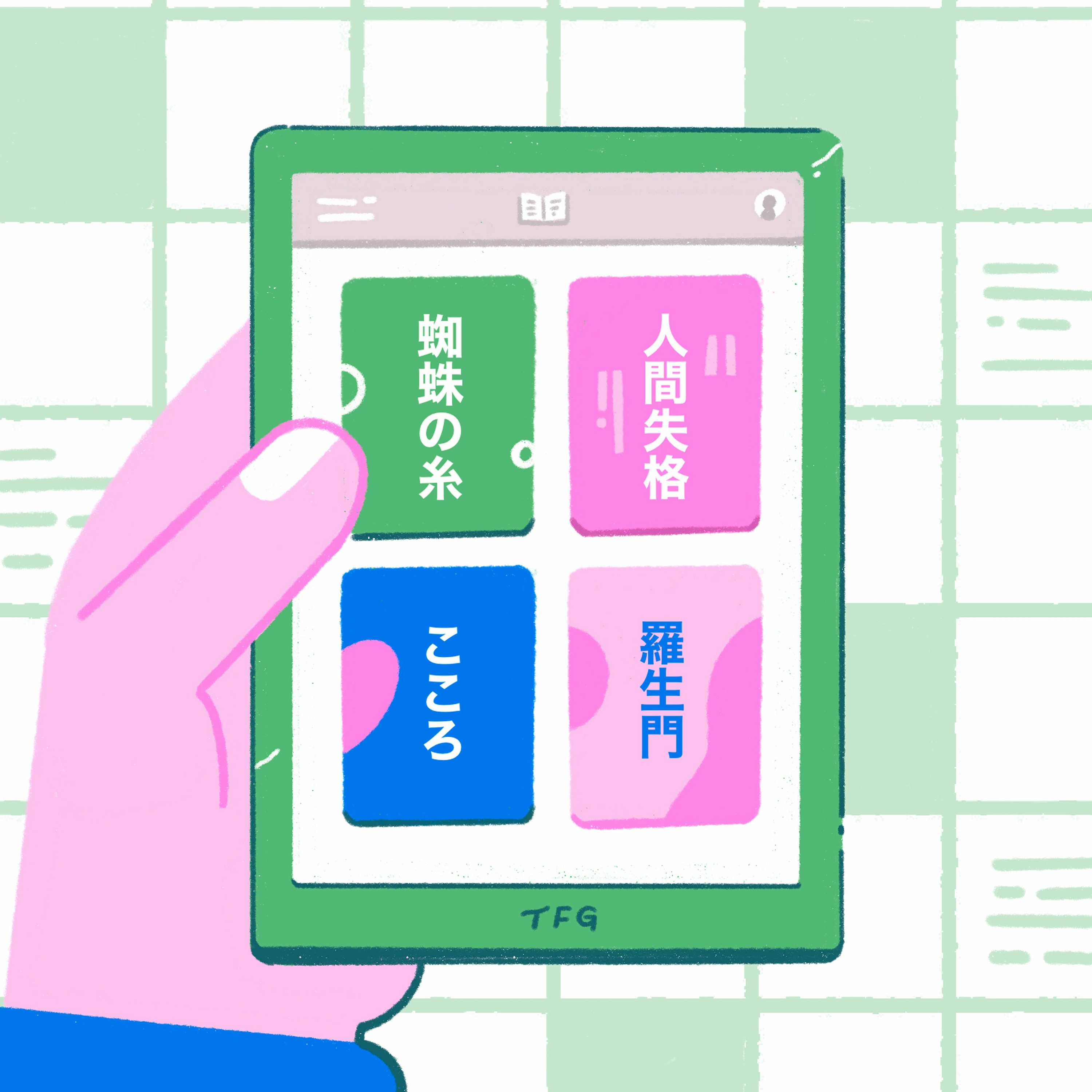
In this episode, the Tofugu crew, Kanae and David discuss why e-books can be great materials for Japanese learners, all their tips for buyin...
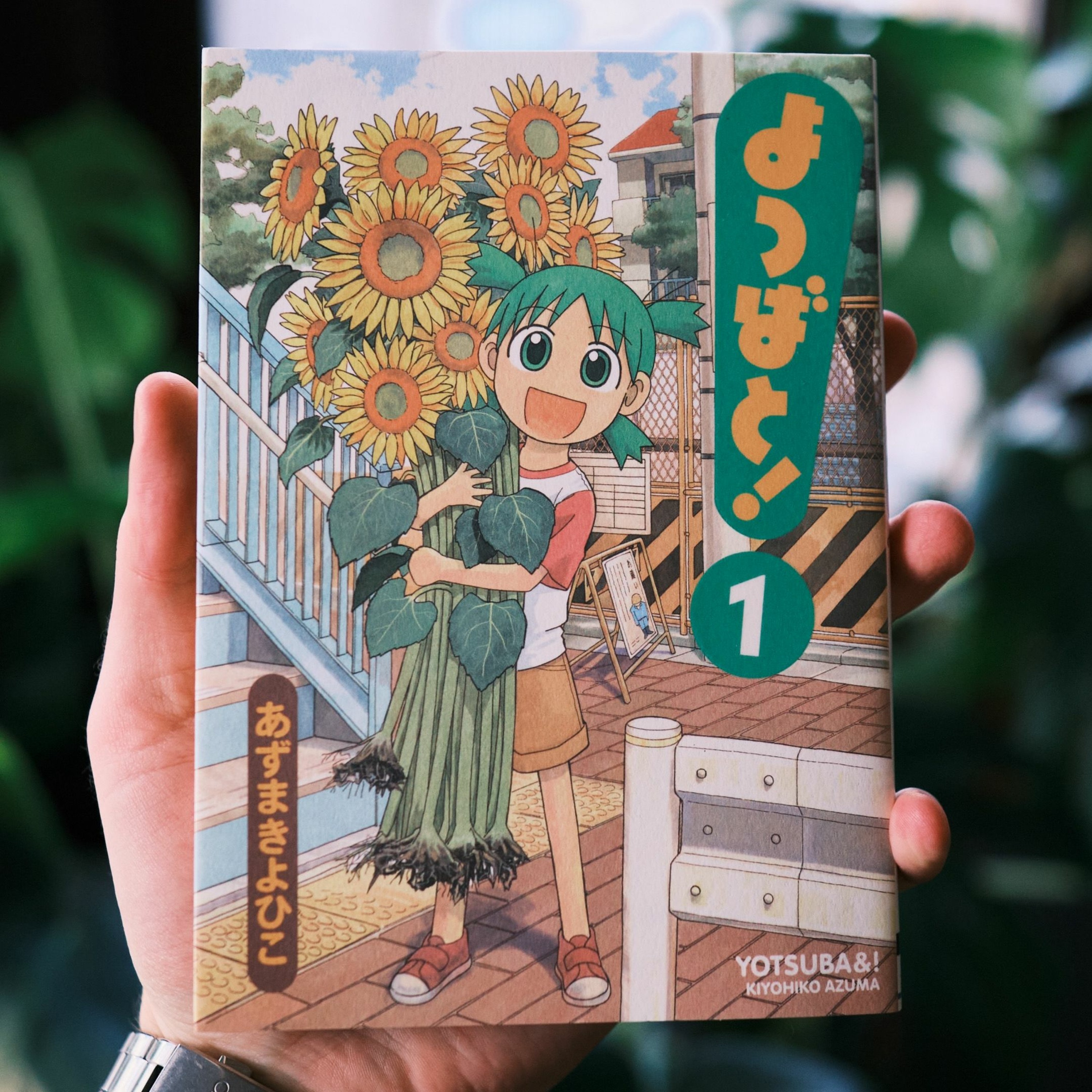
よつばと! (Yotsuba&!) is a Japanese slice-of-life comedy manga series that's become very popular in the Japanese learning community. In this epi...

In this episode, Emily and Kanae discuss “yuri,” the Japanese genre of women-loving women (wlw) romantic relationships. Check out this episo...
In this episode, Ian Battaglia, a Japanese resource review writer at Tofugu and an enthusiastic Japanese learner who’s still actively workin...
In this episode, Emily Suvannasankha, a Japan category writer at Tofugu and an enthusiastic Japanese learner of over a decade, discusses all...
In this episode, David Honeycutt, a Japanese resource review writer at Tofugu and an enthusiastic Japanese learner of over a decade, discuss...

The MEXT Research Scholarship is Japan's government-funded program that will let you do a free master's *and* cover living expenses to boot....
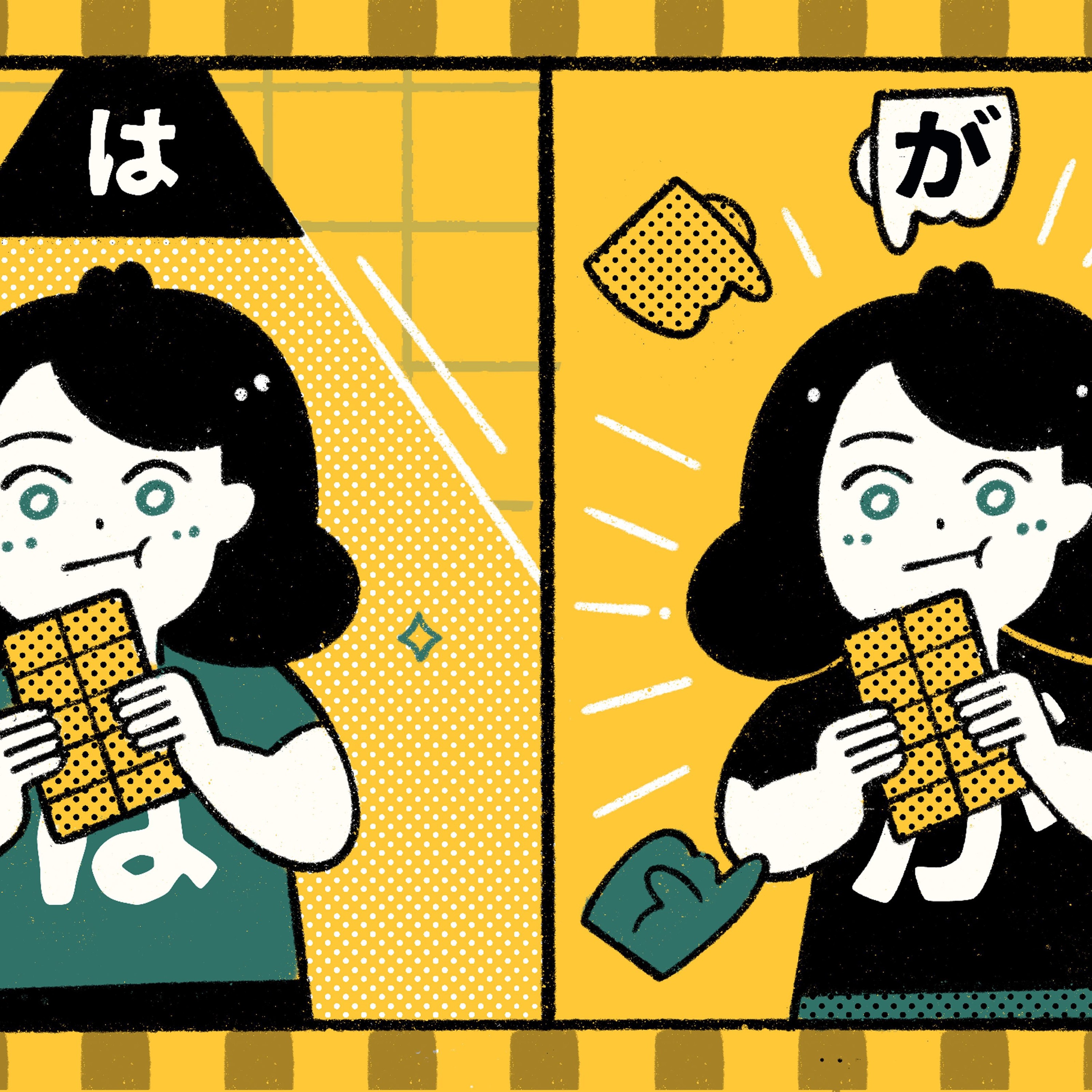
Put your hands up if you agree that は and が are up there with the most confusing aspects of Japanese grammar. Part of the confusion is that...

This is the second episode in our three-part mini-series on the ins and outs of the Japanese particles は and が. In this episode, Kanae and J...

This is the third and final episode in our three-part mini-series on the Japanese particles は and が. In this episode, Kanae and Jenny turn t...
彼 (kare) and 彼女 (kanojo) are Japanese third-person pronouns, meaning "he" and "she." Even though they're the equivalents of these essential...
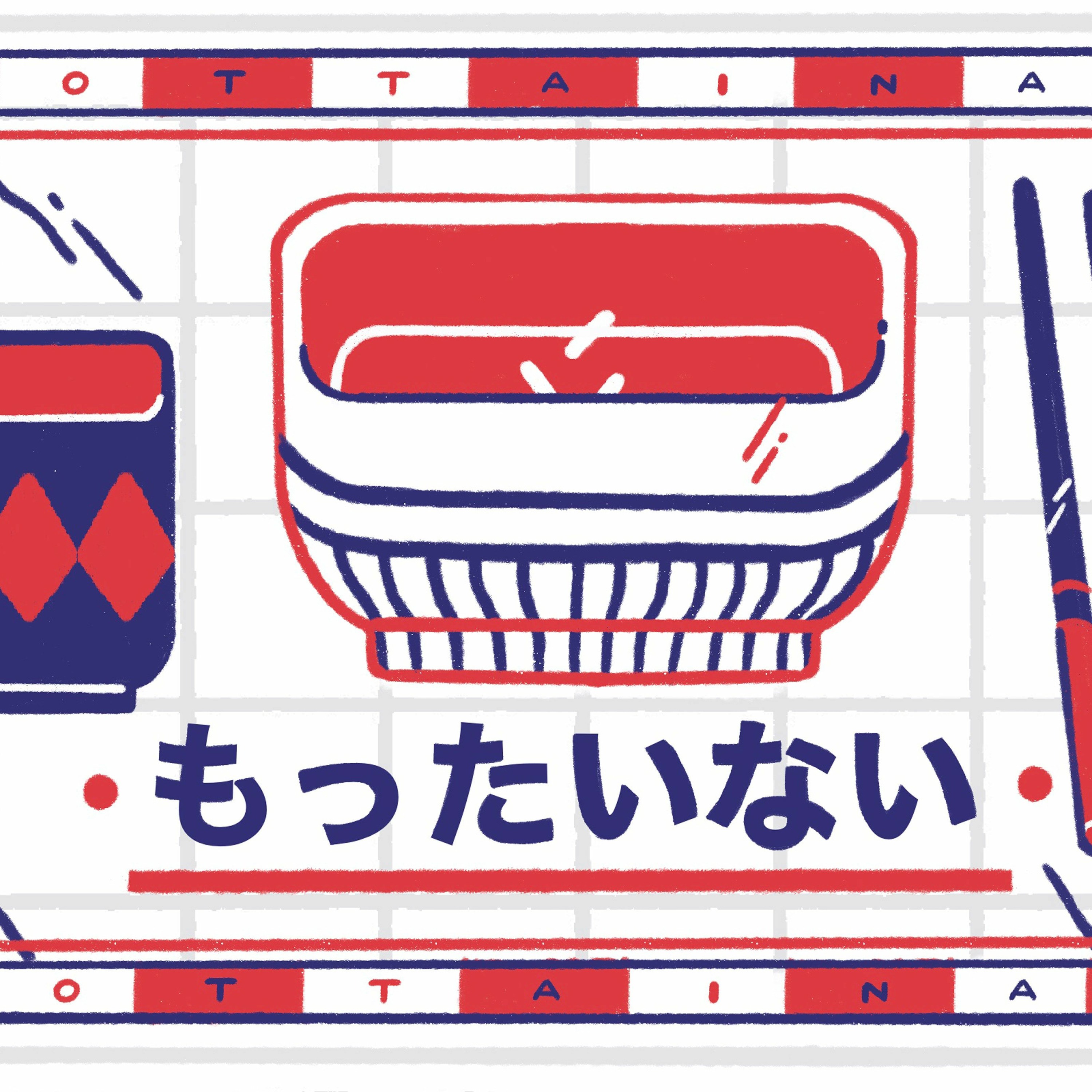
もったいない (mottainai) is a unique Japanese word that articulates the sense of regret, guilt, and sorrow you feel for wasting all sorts of thing...
Although んだ (nda) and んです(ndesu) are very common ways of ending Japanese sentences, they can be challenging for English speakers to understa...
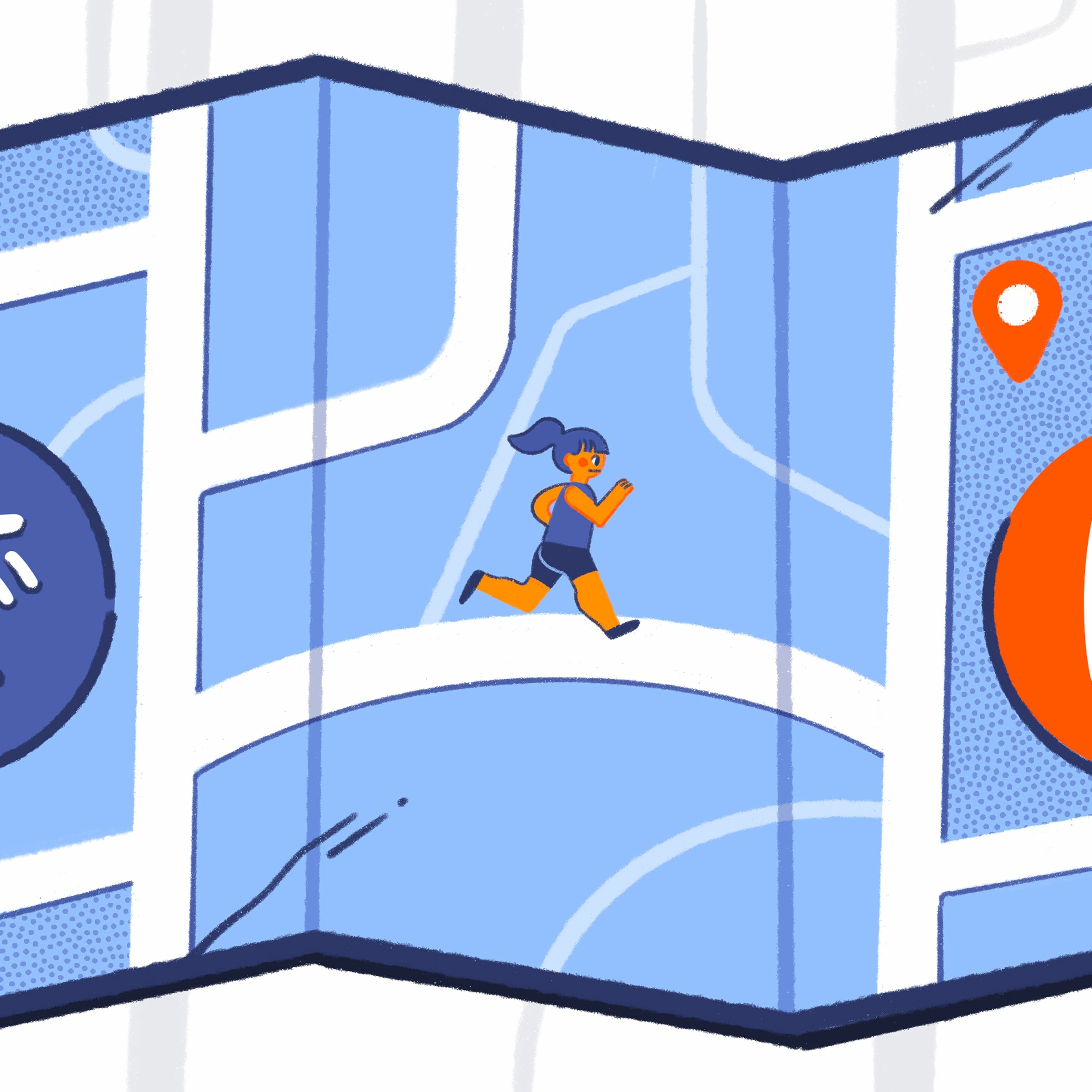
The particles に (Ni) and で (De) can both be used to specify locations, but each serves a different purpose. If you ever wondered how they're...
The Japanese second-person pronoun, お前 (omae), has different sides to its personality, just like other personal pronouns. This is the third...
A Japanese second-person pronoun, 君 (kimi) carries different nuances. It could be friendly, poetic, endearing, or even condescending (!). Th...
Have you ever wondered if the Japanese second-person pronoun, あなた (anata), is rude or polite? This is the first episode of our Japanese seco...
This is the fourth episode of our What Should I Call "You"? series. In Japanese, pronouns for "others" (which includes everything besides "I...
This is the third episode of our What Should I Call "You"? series. In Japanese, pronouns for "others" (which includes everything besides "I"...
This is the second episode of our "What Should I Call 'You'?" series. In Japanese, pronouns for "others" (which includes everything besides...
This is the first episode of our "What Should I Call 'You'?" series. In Japanese, pronouns for "others" (which includes everything besides "...
In this episode, Mami, Cameron, and Kanae talk about two sentence-ending particles, よ (yo) and ね (ne). They dive deep into their different n...
This is the second episode in our two-part さすが (sasuga) miniseries. The Tofugu crew — Kanae, Jenny and Mami — discuss the "other," overshado...
This is the first episode in our two-part miniseries about the unique Japanese word さすが (sasuga). In this episode, the Tofugu crew — Kanae,...
Put on your thinking caps, folks! In this episode, the Tofugu crew — Kanae, Cameron, Mami, and Rachel — discuss the differences between 考える...
In this episode, two native Japanese speakers (Kanae/Mami) and two English-speaking Japanese learners (Cameron/Rachel) discuss two types of...
In this episode, the Tofugu crew, Kanae, Cameron, and Rachel discuss the word "senpai," its use in Japanese schools and society, and Kanae's...
Did you know there are people who are 先生 (sensei) besides teachers or your judo instructor Sensei Jeff? In this episode, the Tofugu crew, Ka...
In this episode, Tofugu's research team answers questions about だ and です from our listeners, such as: "What would be the best translation of...
In this episode, the Tofugu research team answers questions about だ and です from our listeners, such as: "Is it true that だ isn't just a less...
This is the finale of our "First-Person Pronouns" series. In this episode, Kanae welcomes new co-hosts Cameron and Javi to discuss the use o...
This is the fifth episode in our "First-Person Pronouns" series. In this episode, we talk about using your own name as a first-person pronou...
This is the fourth episode in our "First-Person Pronouns" series. In this episode, we talk about 俺 (おれ) and why it is so tricky for Japanese...
This is the third episode in our "First-Person Pronouns" series. In this episode, Koichi, Michael, and Kanae discuss their own personal expe...
This is the second episode in our "First-Person Pronouns" series. In this episode, we talk about うち. Though rarely taught in textbooks, うち i...
In this, the first episode in our "First-Person Pronouns" series, we talk about わたし, わたくし and あたし. Despite all coming from the kanji 私, each...
We talk about the counters that count living things (頭, 匹, 人, and 羽) and how they overlap with each other. We also answer the hard Japanese...
We talk about the counters 〜個 and 〜つ, the two counters that can count just about... anything! But, there are always going to be better count...
Find and watch the Big in Japan documentary here: http://www.biginjapandoc.com We interviewed David Elliot-Jones, the writer/producer of the...
For more, check out our article on ganbaru: https://www.tofugu.com/japanese/ganbaru/ "Do your best!" "Hang in there!" "FIGHT!" The Japanese...
You may already know that, in Japanese, you add a polite little something at the end of someone’s name: ~san, ~sama, ~chan, ~kun… actually,...
Have you ever wondered why 人々 is ひとびと and not ひとひと, or even ひとぴと? Or why it’s てがみ instead of てかみ, or くさばな and not くさはな? It’s all because of...
Hi, it's me, Sensei Jeff. I'm here to teach all you white belts how to count in Japanese. Punch! Punch! Punch! (Actually, we teach you how t...
Get Brian's Book, Japanese Whisky: The Ultimate Guide to the World's Most Desirable Spirit → https://amzn.to/2NAEqPR Michael and Koichi inte...
Read more about Genki: http://www.tofugu.com/japanese/genki-meaning/ Everyone learns "o genki desu ka" when they begin their Japanese langua...
Read more about ちょっと in our article: http://www.tofugu.com/japanese/chotto/ We talk about ちょっと. At first it seems like a simple, little word...
In this episode we get into Japanese pronunciation. Whether you are a beginner, advanced, or fluent, you'll find something in this episode t...
Prefer reading instead? We wrote a whole article about this (even more example sentences included!) https://www.tofugu.com/japanese/komu-com...