
Radio and PodcastRadio and PodcastLive Radio & Podcasts
Ep. 43: Orthodox Judaism, Leo Strauss, and Baruch Spinoza’s Critique of Religion artwork
Society & Culture

Ep. 43: Orthodox Judaism, Leo Strauss, and Baruch Spinoza’s Critique of Religion

The Moral Imagination by Michael Matheson Miller

Jul 19, 2022105:17Society & Culture

In this episode I speak with Jeffrey Bloom and Rabbi Jeremy Kagan about the book Spinoza, Strauss, and Sinai: Orthodox Judaism and Modern Questions of Faith published by Kodesh Press . The book is a collection of essays...

About This Episode

Ep. 43: Orthodox Judaism, Leo Strauss, and Baruch Spinoza’s Critique of Religion is an episode from The Moral Imagination by Michael Matheson Miller. In this episode I speak with Jeffrey Bloom and Rabbi Jeremy Kagan about the book Spinoza,...

Podcast

This episode belongs to The Moral Imagination.

Listen Online

Use the player on this page to stream the episode online.

Episode Details

Published Jul 19, 2022, 105:17 long, audio available.

Questions About This Episode

What is Ep. 43: Orthodox Judaism, Leo Strauss, and Baruch Spinoza’s Critique of Religion about?

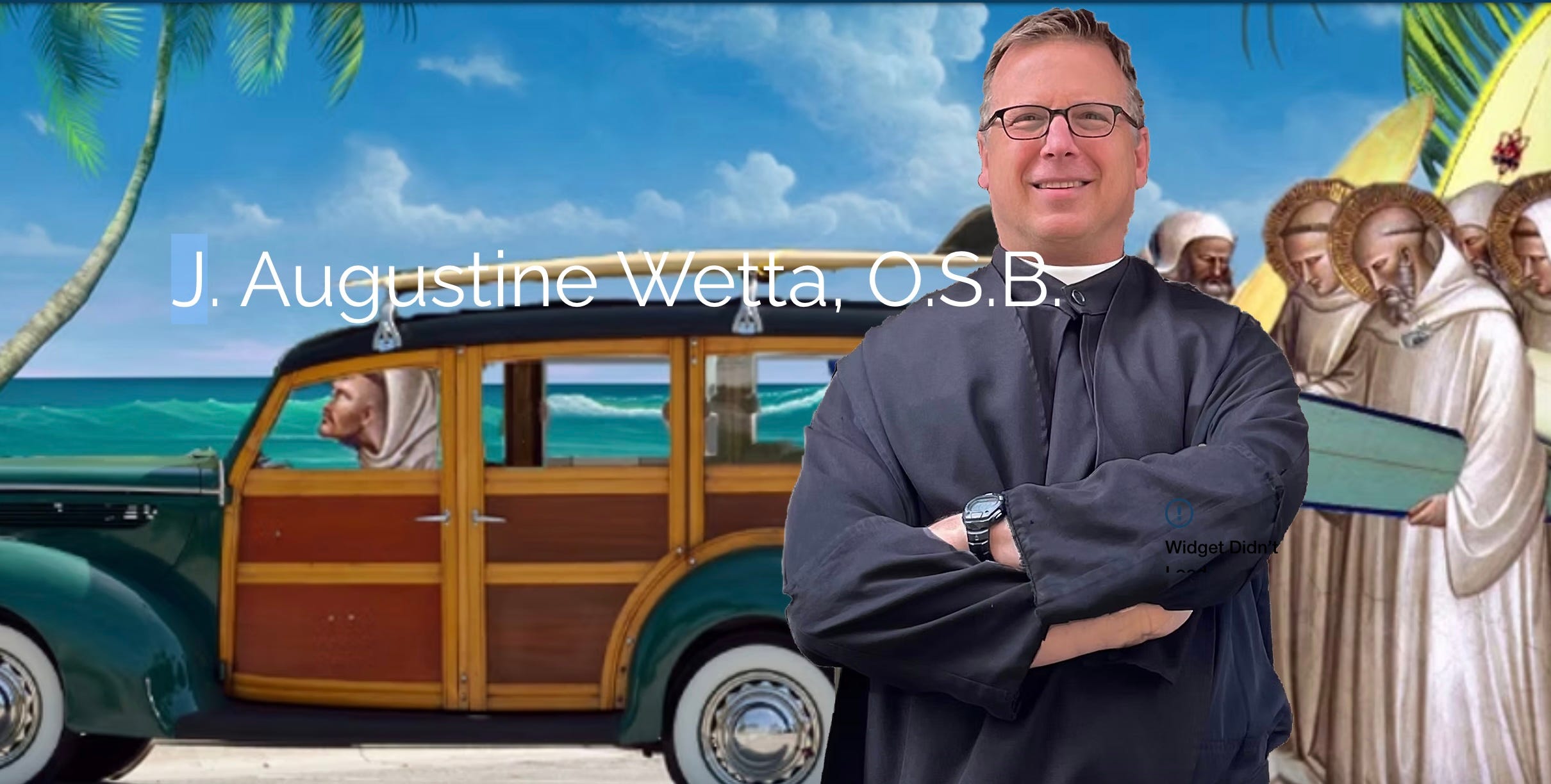
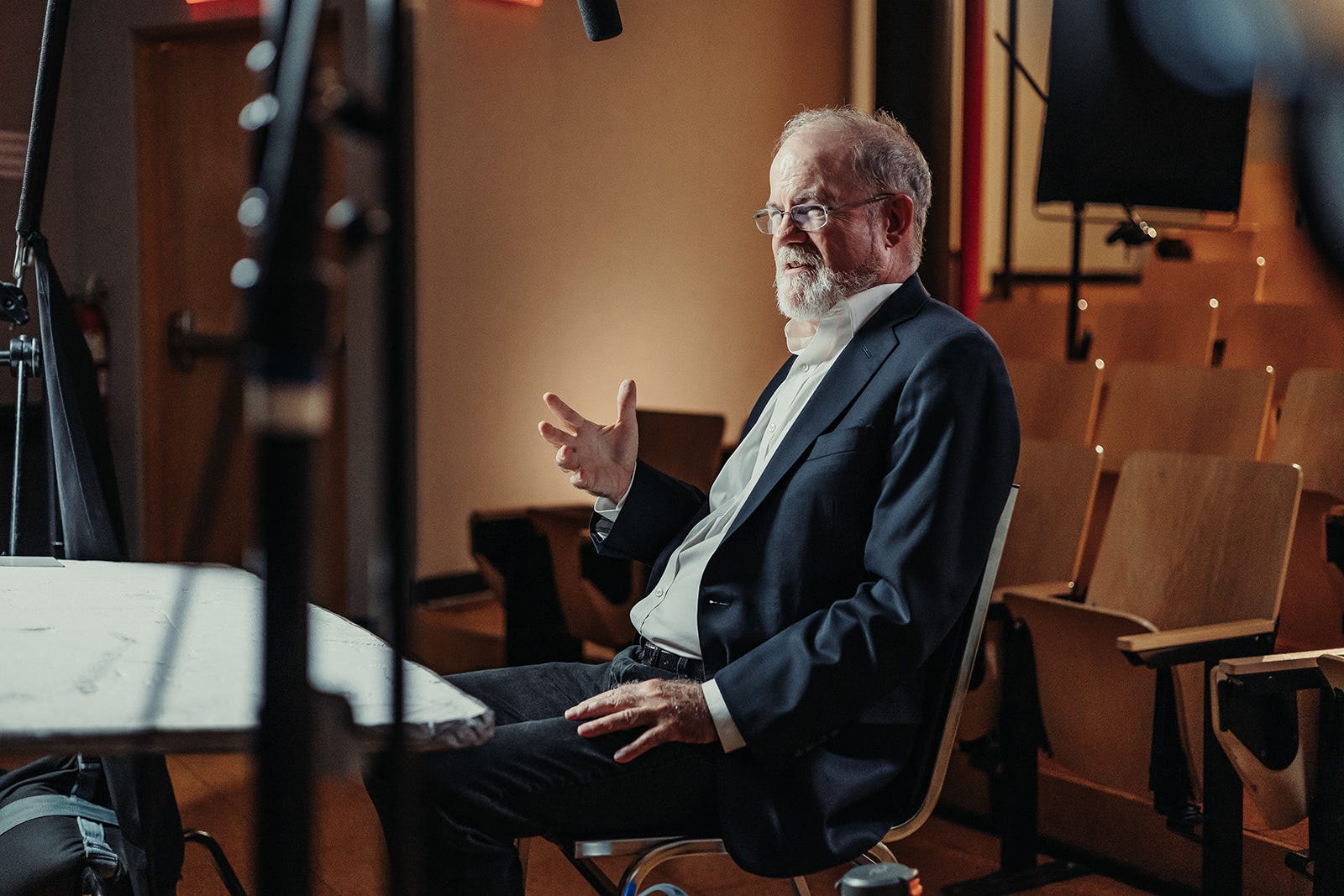
In this episode I speak with Jeffrey Bloom and Rabbi Jeremy Kagan about the book Spinoza, Strauss, and Sinai: Orthodox Judaism and Modern Questions of Faith published by Kodesh Press . The book is a collection of essays edited by Jeffrey Bloom, Alec Goldstein , and Gil Student . Jeffrey Bloom grew up secular, Jewish family and the idea of actually practicing Orthodox Judaism was outside of the realm of possibility. He studied at University of Chicago where he took a class with Professor Leon Kass on Genesis. (see book link below) This was the first time that he took religion seriously. He notes that as a child of divorce— he wanted stronger family life, and he was attracted to Orthodox Judaism, but still questioned whether it was reasonable. This led him to read Strauss critique of Spinoza’s critique of religious belief. The Enlightenment philosopher, Baruch Spinoza argued that religious belief was irrational. But in his book, Spinoza’s Critique of Religion, Leo Strauss argued that while the enlightenment with Spinoza and his heirs claimed to refuted orthodox belief, they in fact did not. Strauss claimed that as long as orthodoxy is willing to make the concession that they can’t “know” and only “believe” the tenets of Judaism, then it is plausible and no weaker a position that rationalism because that is precisely what Spinoza is doing—when pressed, Enlightenment rationalism, like religion, rests on acts of “faith” in tenets that it cannot prove. Strauss’ argument opened up questions about reason, belief, truth, access to reality and more, and what it did for Bloom was make orthodox Judaism rationally and intellectually plausible. As Rabbi Jeremy Kagan puts it, “carved out a space for the Torah” and religion belief and practice. Yet Bloom had another question—Strauss opened the door to religious belief, but what did Orthodox Jews think about the arguments of both Spinoza critique of religion, and Strauss’ critique of Spinoza? Bloom gathered a group of Orthodox believers, Rabbis, computer scientists, philosophers, to address the question: Is the argument of Strauss any good? Are there better replies to the critique of religion than Strauss provides? This book is relevant for many reasons— There is a sense that the Enlightenment and science and empiricism has proved that orthodox religion, Judaism and Christianity, is intellectually unserious and untenable, and many people hold this to be the case. Secular thinkers and atheists often critiques religion for its faith but they don’t realize they that rely on a host of non-empirical assumptions that uphold their beliefs. For example, why is reason is better than non - reason and how can one prove it in empirical means? We discuss several essays including those by Jeffrey Bloom, Rabbi Kagan, Rabbi S halom Carmy who argues that Strauss’ arguments are not compelling, and Moshe Koppel’s essay, “Why Revelation and not Orbiting Teapots” which makes the distinction between orthodox belief and superstition and more. This is a complex discussion that addresses some of the big underlying questions about faith and science, reason and belief, different forms of knowledge, the value of religious observance, and some of the main themes of the Moral Imagination Podcast. I hope you enjoy. Get full access to The Moral Imagination - Michael Matheson Miller at

Where can I listen to Ep. 43: Orthodox Judaism, Leo Strauss, and Baruch Spinoza’s Critique of Religion?

You can listen to Ep. 43: Orthodox Judaism, Leo Strauss, and Baruch Spinoza’s Critique of Religion online on Radio and Podcast. Open the player on this page to stream the available audio.

Which podcast is Ep. 43: Orthodox Judaism, Leo Strauss, and Baruch Spinoza’s Critique of Religion from?

Ep. 43: Orthodox Judaism, Leo Strauss, and Baruch Spinoza’s Critique of Religion is an episode from The Moral Imagination by Michael Matheson Miller.

How long is this episode?

This episode is 105:17 long.

When was this episode published?

This episode was published on Jul 19, 2022.

Can I save Ep. 43: Orthodox Judaism, Leo Strauss, and Baruch Spinoza’s Critique of Religion for later?

Yes. Use the heart button on the episode page to add it to your favorite episodes list.

Are there related episodes from The Moral Imagination?

Yes. This page shows related episodes from The Moral Imagination when more episodes are available from the podcast feed.

Quick Answers About This Episode

Where can I listen to Ep. 43: Orthodox Judaism, Leo Strauss, and Baruch Spinoza’s Critique of Religion?

You can listen to Ep. 43: Orthodox Judaism, Leo Strauss, and Baruch Spinoza’s Critique of Religion on this page when the episode audio is available from the podcast feed.

Which podcast is this episode from?

Ep. 43: Orthodox Judaism, Leo Strauss, and Baruch Spinoza’s Critique of Religion is from The Moral Imagination by Michael Matheson Miller.

What are the episode details?

Published Jul 19, 2022 and 105:17 long