MDCAST: The Stubborn Lethality of Cardiogenic Shock
May 19, 2026 - 50:35
Radio and PodcastLive Radio & Podcasts
This episode reviews the newly released 2026 pulmonary embolism guidelines with an emphasis on what matters most for critical care and transport clinicians: identifying the sickest PE patients early and recognizing how q...
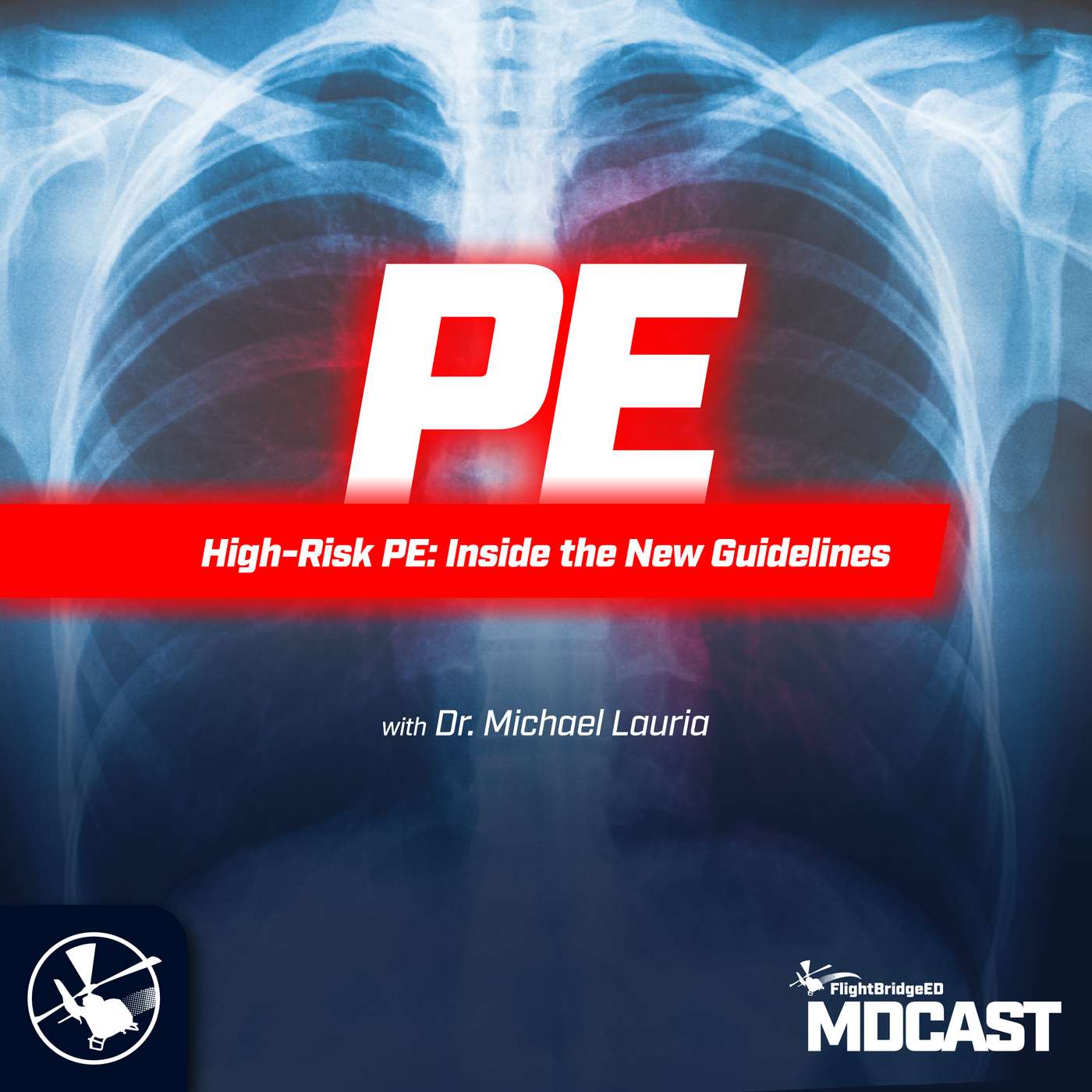
MDCAST: High-Risk PE: Inside the New Guidelines is an episode from The FlightBridgeED Podcast by Evan Claunch. This episode reviews the newly released 2026 pulmonary embolism guidelines with an emphasis on what matters most for critical car...
This episode belongs to The FlightBridgeED Podcast.
Use the player on this page to stream the episode online.
Published Apr 21, 2026, 42:18 long, audio available.
This episode reviews the newly released 2026 pulmonary embolism guidelines with an emphasis on what matters most for critical care and transport clinicians: identifying the sickest PE patients early and recognizing how quickly they can deteriorate. Dr. Michael Lauria stresses that although pulmonary embolism is common, the subset with hemodynamic instability carries very high mortality and often requires transfer for advanced therapies such as ECMO, catheter-based intervention, or surgery. A major focus is the new classification system, which replaces the older “massive” and “submassive” terminology with categories A through E. Instead of emphasizing clot size, the new framework centers on clinical severity, especially hypotension, end-organ hypoperfusion, and progression toward cardiopulmonary failure. The episode also highlights that severe PE is fundamentally a problem of right ventricular failure: as pulmonary vascular resistance rises, the RV dilates, perfusion worsens, LV filling drops, and the patient can spiral into shock. Management is therefore framed around supporting the failing RV while moving toward definitive reperfusion. The speaker recommends maintaining perfusion pressure, avoiding aggressive fluids, optimizing oxygenation, reducing RV afterload, and using inotropic support when needed, while also warning that intubation and positive pressure can worsen hemodynamics in these patients. For the sickest patients, especially category D and E PE, systemic thrombolysis is presented as the main reperfusion option available in many settings, though it remains underused and carries meaningful bleeding risk, including intracranial hemorrhage. Key points The episode centers on the new 2026 PE guidelines and their practical relevance for emergency, ICU, and transport care. The old “massive/submassive” terms are replaced by categories A through E, with D and E representing the highest-risk patients. Severe PE is dangerous primarily because of right ventricular failure and shock , not just hypoxia. Initial treatment focuses on supporting the RV : maintain MAP, avoid excess fluids, improve oxygenation, reduce RV afterload, and add inotropy when needed. Systemic thrombolysis is a key reperfusion therapy for the sickest patients, but it is underused and has significant bleeding risks.
You can listen to MDCAST: High-Risk PE: Inside the New Guidelines online on Radio and Podcast. Open the player on this page to stream the available audio.
MDCAST: High-Risk PE: Inside the New Guidelines is an episode from The FlightBridgeED Podcast by Evan Claunch.
This episode is 42:18 long.
This episode was published on Apr 21, 2026.
Yes. Use the heart button on the episode page to add it to your favorite episodes list.
Yes. This page shows related episodes from The FlightBridgeED Podcast when more episodes are available from the podcast feed.
You can listen to MDCAST: High-Risk PE: Inside the New Guidelines on this page when the episode audio is available from the podcast feed.
MDCAST: High-Risk PE: Inside the New Guidelines is from The FlightBridgeED Podcast by Evan Claunch.
Published Apr 21, 2026 and 42:18 long