MDCAST: The Stubborn Lethality of Cardiogenic Shock
May 19, 2026 - 50:35
Radio and PodcastLive Radio & Podcasts
In this episode of the FlightBridgeED OB Critical Care Transport series, Dr. Mike Lauria is joined by maternal-fetal medicine specialist Dr. Liz Gartner to tackle one of the most commonly missed and dangerous metabolic e...
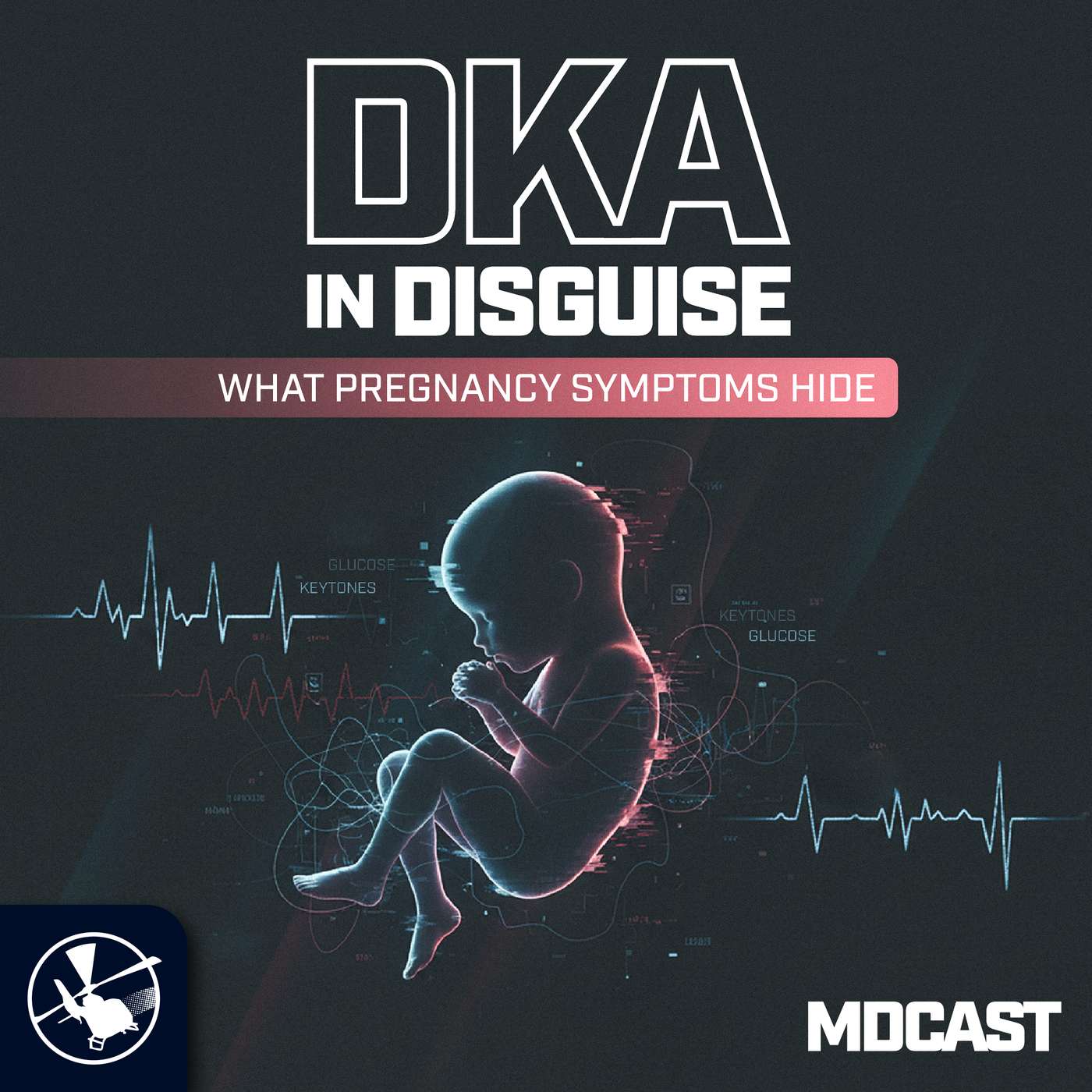
MDCast: DKA in Disguise What Pregnancy Symptoms Hide is an episode from The FlightBridgeED Podcast by Evan Claunch. In this episode of the FlightBridgeED OB Critical Care Transport series, Dr. Mike Lauria is joined by maternal-fetal medicin...
This episode belongs to The FlightBridgeED Podcast.
Use the player on this page to stream the episode online.
Published Jan 8, 2026, 35:12 long, audio available.
In this episode of the FlightBridgeED OB Critical Care Transport series, Dr. Mike Lauria is joined by maternal-fetal medicine specialist Dr. Liz Gartner to tackle one of the most commonly missed and dangerous metabolic emergencies in pregnancy : diabetic ketoacidosis (DKA). While DKA is familiar to most clinicians, pregnancy dramatically alters its presentation—often masking it behind symptoms that look indistinguishable from “normal” pregnancy complaints like nausea, vomiting, abdominal pain, fatigue, and polyuria. The conversation breaks down the unique physiology of pregnancy that predisposes patients to DKA at much lower glucose levels than expected. Progressive insulin resistance, hemodilution, increased renal glucose losses, accelerated starvation, and baseline respiratory alkalosis combine to create a perfect storm where euglycemic or near-euglycemic DKA can develop. The result is a high-risk condition that is easy to dismiss unless providers intentionally look for it—especially in patients with type 1 diabetes, type 2 diabetes, or gestational diabetes. From a transport and critical care perspective, the episode emphasizes early recognition, appropriate lab interpretation, and aggressive maternal resuscitation as the cornerstone of treatment. The hosts clarify that management principles remain largely unchanged from non-pregnant patients—fluids first, electrolytes (especially potassium), then insulin—while highlighting pregnancy-specific lab pitfalls and why delivery is not the treatment for DKA . Ultimately, stabilizing the mother is the most effective way to protect the fetus. Key takeaways DKA can look like normal pregnancy: Nausea, vomiting, fatigue, abdominal pain, and polyuria should not be dismissed in pregnant patients with diabetes. Don’t be reassured by a glucose of ~200: Up to 30% of DKA cases in pregnancy are euglycemic . Pregnancy changes the labs: Baseline bicarbonate is lower, and a pH around 7.30 may represent severe acidosis . Beta-hydroxybutyrate is the gold standard for diagnosing ketosis; urine ketones and anion gap alone can miss cases. Fluids and electrolytes come first: Aggressive volume resuscitation and potassium correction are critical before insulin. Resuscitate mom to save baby: Delivery is not indicated for DKA alone and may worsen outcomes. High fetal risk: While maternal mortality is low, fetal mortality remains significant—making early recognition essential.
You can listen to MDCast: DKA in Disguise What Pregnancy Symptoms Hide online on Radio and Podcast. Open the player on this page to stream the available audio.
MDCast: DKA in Disguise What Pregnancy Symptoms Hide is an episode from The FlightBridgeED Podcast by Evan Claunch.
This episode is 35:12 long.
This episode was published on Jan 8, 2026.
Yes. Use the heart button on the episode page to add it to your favorite episodes list.
Yes. This page shows related episodes from The FlightBridgeED Podcast when more episodes are available from the podcast feed.
You can listen to MDCast: DKA in Disguise What Pregnancy Symptoms Hide on this page when the episode audio is available from the podcast feed.
MDCast: DKA in Disguise What Pregnancy Symptoms Hide is from The FlightBridgeED Podcast by Evan Claunch.
Published Jan 8, 2026 and 35:12 long