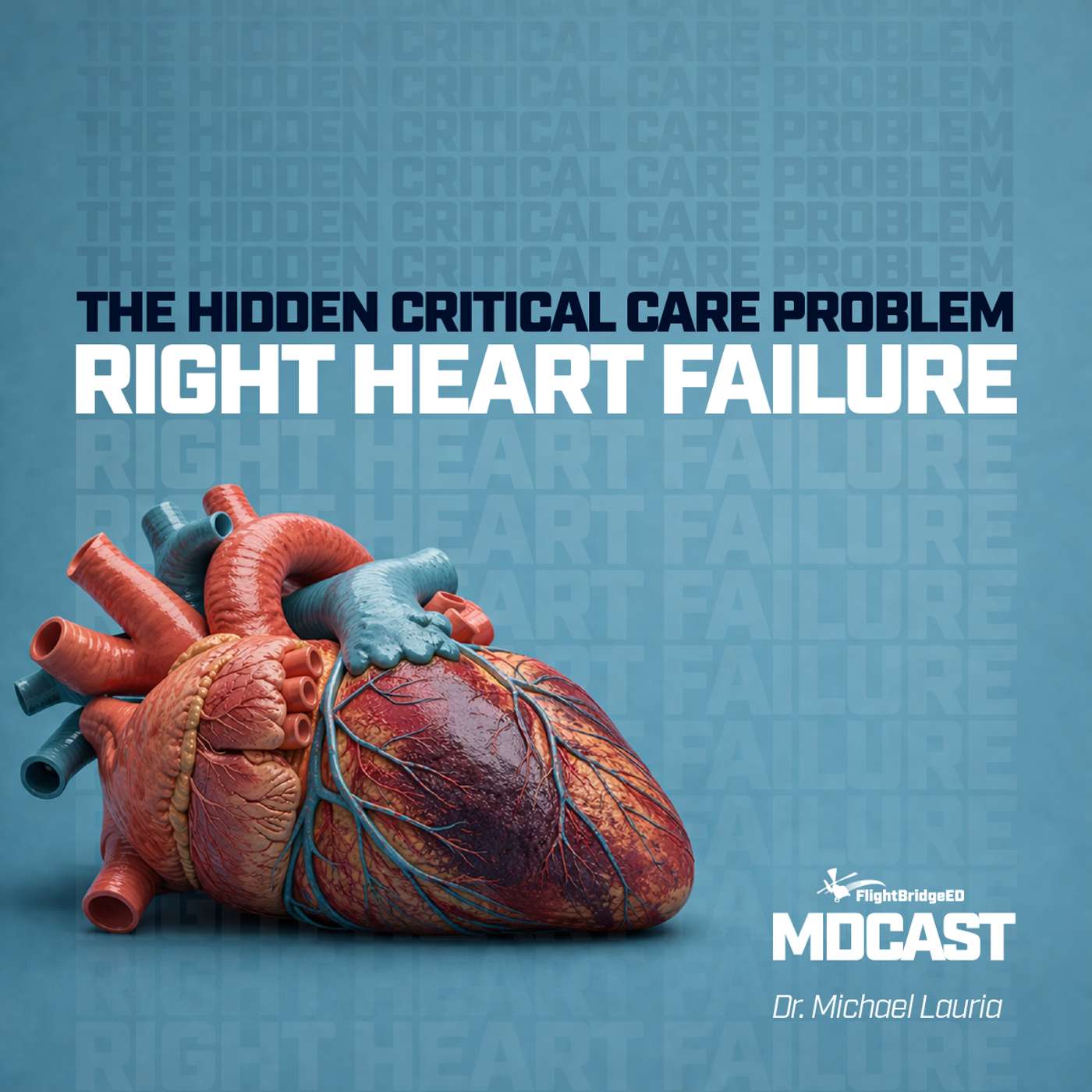
MDCAST: The Stubborn Lethality of Cardiogenic Shock
May 19, 2026 - 50:35
Radio and PodcastLive Radio & Podcasts
In this episode of the FlightBridgeED Podcast, Dr. Mike Lauria is joined by Dr. Nick George, a retrieval and EMS physician currently practicing full-time in Darwin, Australia. Together, they break down the often-overwhel...
MDCAST: Aortic Emergencies - What You Need to Know, But Were Never Taught is an episode from The FlightBridgeED Podcast by Evan Claunch. In this episode of the FlightBridgeED Podcast, Dr. Mike Lauria is joined by Dr. Nick George, a retrieva...
This episode belongs to The FlightBridgeED Podcast.
Use the player on this page to stream the episode online.
Published Jul 21, 2025, 47:13 long, audio available.
In this episode of the FlightBridgeED Podcast, Dr. Mike Lauria is joined by Dr. Nick George, a retrieval and EMS physician currently practicing full-time in Darwin, Australia. Together, they break down the often-overwhelming topic of aortic emergencies in a way that’s brilliantly simple, practical, and immediately applicable for all providers—whether you’re in the ICU, on the flight line, or working your way up in emergency medicine. Dr. George introduces a clean mental model— 1 tube, 2 major problems, 3 causes —to guide listeners through the classification, diagnosis, and critical transport considerations for aortic dissections and aneurysms. From understanding penetrating ulcers to navigating hypertensive vs hypotensive presentations, this episode dives deep without drowning you in jargon. We also explore the science behind anti-impulse therapy, challenge long-held dogmas about esmolol vs nicardipine, and reveal eye-opening findings from a two-decade analysis of over 1,000 aortic emergency transports. Whether you’re flying patients to tertiary care, working in rural EDs, or prepping for boards, this episode will sharpen your edge. Available anywhere you listen to podcasts or at FlightBridgeED.com . While you’re there, explore our highly successful, award-winning courses trusted by critical care providers around the world. Key Takeaways The aorta can be simplified into “1 tube, 2 problems (tearing or weakening), caused by 3 forces: pressure, pulsatility, and geometry.” Distinguishing between dissection and aneurysm —and whether it’s hypertensive or hypotensive—can guide safe transport decisions, even if you're not making the diagnosis. Dissections may present without pain in up to 30% of cases , underscoring the importance of clinical vigilance and recognizing subtle signs. Classic signs (pulse deficits, BP differentials) are often unreliable. Don’t dismiss vague or mismatched symptoms. Ultrasound , although not definitive, can provide useful data en route—especially in cases of hypotension or ambiguity. Anti-impulse therapy isn't as evidence-backed as we've been taught. Recent studies show nicardipine may be just as effective—and possibly safer—than esmolol. Transport crews must be empowered to advocate for patients when findings don’t line up with the presumed diagnosis.
You can listen to MDCAST: Aortic Emergencies - What You Need to Know, But Were Never Taught online on Radio and Podcast. Open the player on this page to stream the available audio.
MDCAST: Aortic Emergencies - What You Need to Know, But Were Never Taught is an episode from The FlightBridgeED Podcast by Evan Claunch.
This episode is 47:13 long.
This episode was published on Jul 21, 2025.
Yes. Use the heart button on the episode page to add it to your favorite episodes list.
Yes. This page shows related episodes from The FlightBridgeED Podcast when more episodes are available from the podcast feed.
You can listen to MDCAST: Aortic Emergencies - What You Need to Know, But Were Never Taught on this page when the episode audio is available from the podcast feed.
MDCAST: Aortic Emergencies - What You Need to Know, But Were Never Taught is from The FlightBridgeED Podcast by Evan Claunch.
Published Jul 21, 2025 and 47:13 long