Radio and PodcastRadio and PodcastLive Radio & Podcasts
Can better buses fix city pollution? artwork
Science & Medicine

Can better buses fix city pollution?

The Climate Question by BBC

Mar 22, 202626:28Science & Medicine

Transport is one of the fastest-growing sources of greenhouse gas emissions, and in cities around the world it is also one of the biggest daily frustrations. Congestion, pollution and long journeys to work affect million...

About This Episode

Can better buses fix city pollution? is an episode from The Climate Question by BBC. Transport is one of the fastest-growing sources of greenhouse gas emissions, and in cities around the world it is also one of the biggest daily frustration...

Podcast

This episode belongs to The Climate Question.

Listen Online

Use the player on this page to stream the episode online.

Episode Details

Published Mar 22, 2026, 26:28 long, audio available.

Questions About This Episode

What is Can better buses fix city pollution? about?

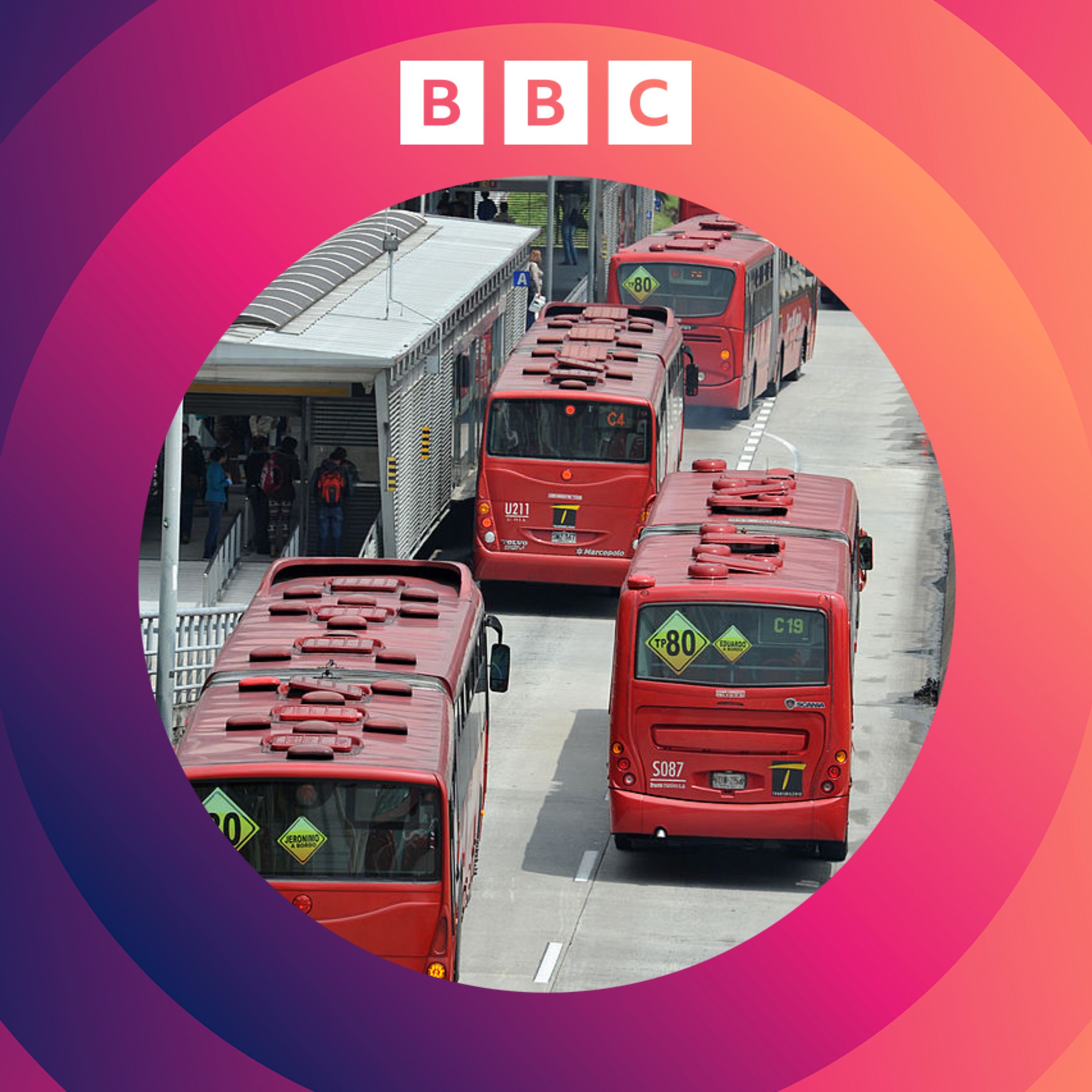
Transport is one of the fastest-growing sources of greenhouse gas emissions, and in cities around the world it is also one of the biggest daily frustrations. Congestion, pollution and long journeys to work affect millions of people every day. In this episode of The Climate Question, Jordan Dunbar explores how cities can move large numbers of people more quickly, cheaply and with fewer emissions. With most urban journeys still dominated by private cars, the challenge is how to shift people towards more efficient forms of transport. He speaks to Dario Hidalgo, a transport expert based in Bogotá, where a system known as Bus Rapid Transit has helped transform how millions of people travel. By giving buses dedicated lanes, larger vehicles and faster boarding systems, cities can move more people using fewer vehicles, cutting both congestion and emissions. Variations of the model are now being used in cities around the world. Jordan also hears from Sarah Kaufman, Director of the NYU Rudin Center for Transportation in New York, about why similar systems can be harder to implement in dense cities, and how measures like congestion charging are helping to reduce traffic and fund improvements to public transport. While electric cars are often seen as part of the solution, both experts say reducing the number of cars on the road altogether is key. From buses to bikes, they explore how cities might redesign transport systems to be cleaner, faster and more efficient. Guests: Dario Hidalgo – Professor of Transport and Logistics, Pontificia Universidad Javeriana, Bogotá Sarah Kaufman – Director, NYU Rudin Center for Transportation, New York Got a question or comment? email us at theclimatequestion@bbc.com Production team: Grace Braddock, Diane Richardson, Nik Sindle Sound Engineer: Tom Brignell and Mike Regaard Production Coordinator: Brenda Brown Editor: Melanie Stewart-Smith Image: Guillermo Legaria/AFP via Getty Images

Where can I listen to Can better buses fix city pollution??

You can listen to Can better buses fix city pollution? online on Radio and Podcast. Open the player on this page to stream the available audio.

Which podcast is Can better buses fix city pollution? from?

Can better buses fix city pollution? is an episode from The Climate Question by BBC.

How long is this episode?

This episode is 26:28 long.

When was this episode published?

This episode was published on Mar 22, 2026.

Can I save Can better buses fix city pollution? for later?

Yes. Use the heart button on the episode page to add it to your favorite episodes list.

Are there related episodes from The Climate Question?

Yes. This page shows related episodes from The Climate Question when more episodes are available from the podcast feed.

Quick Answers About This Episode

Where can I listen to Can better buses fix city pollution??

You can listen to Can better buses fix city pollution? on this page when the episode audio is available from the podcast feed.

Which podcast is this episode from?

Can better buses fix city pollution? is from The Climate Question by BBC.

What are the episode details?

Published Mar 22, 2026 and 26:28 long