From Doer to Director: The AI Mindset Shift
May 7, 2026 - 00:05:38
Radio and PodcastLive Radio & Podcasts
You know, those sneaky little tricks sites use to funnel you into doing things you never intended, like paying for insurance you didn’t want or scrolling until your thumb falls off. We talked about why this stuff isn’t j...
Dark Patterns, Bright Ideas: Why Deceptive Design Belongs in Accessibility is an episode from The Boagworld UX Show by Paul Boag. You know, those sneaky little tricks sites use to funnel you into doing things you never intended, like paying...
This episode belongs to The Boagworld UX Show.
Use the player on this page to stream the episode online.
Published Sep 23, 2025, 00:54:48 long, audio available.
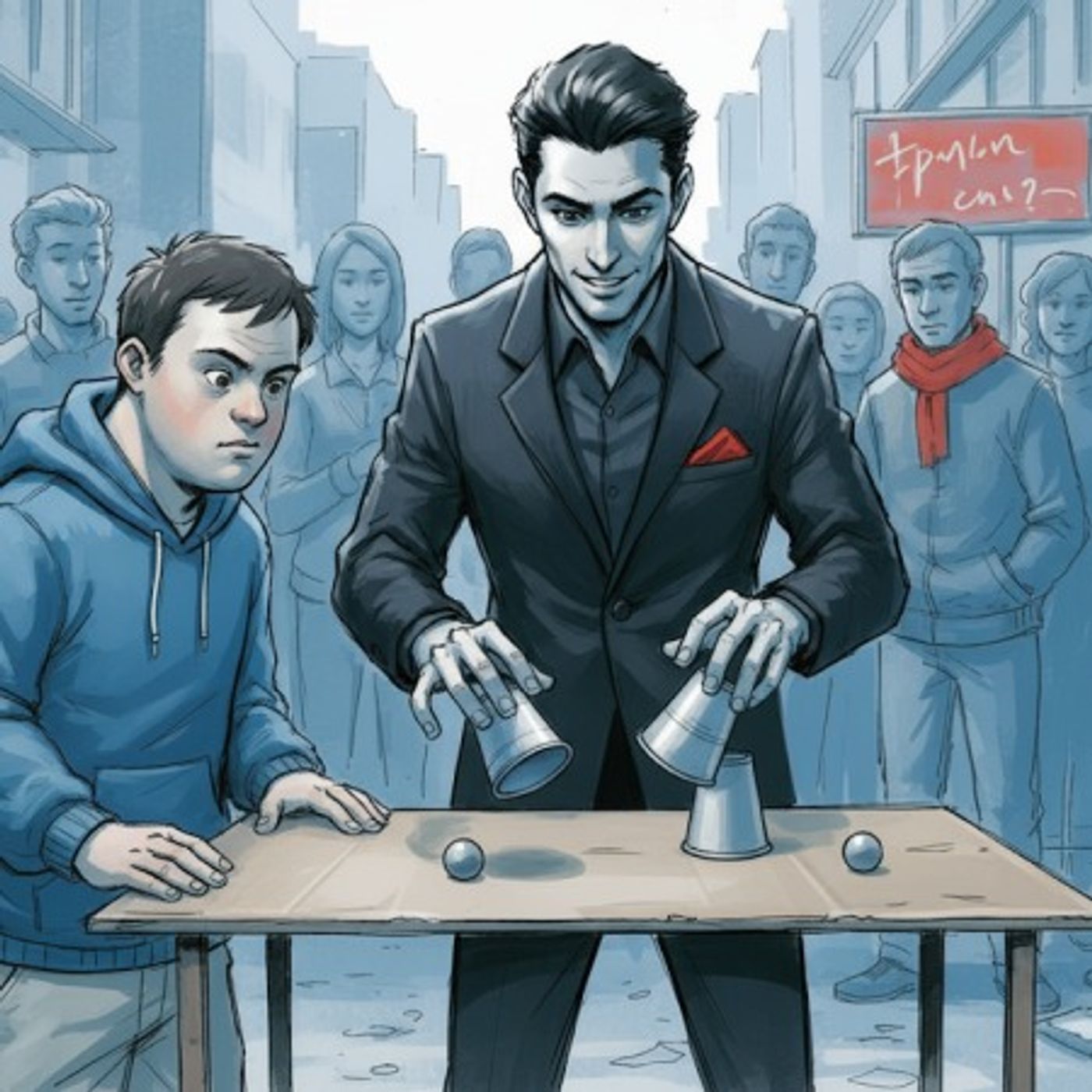
You know, those sneaky little tricks sites use to funnel you into doing things you never intended, like paying for insurance you didn’t want or scrolling until your thumb falls off. We talked about why this stuff isn’t just bad manners, but also an accessibility issue, and how to push back when your boss is shouting about conversion rates. We also wandered off into personas, because what’s a Boagworld Show without a tangent or two? App of the Week This week app is Be My Eyes . It’s designed to support blind and low-vision users by letting them connect with volunteers (or increasingly, AI) who can describe what’s in front of them. It’s practical, humane, and a great reminder that sometimes technology really does make life easier. Unlike my dishwasher, which still beeps at me like I’m trying to launch a nuclear missile. Topic of the Week: Deceptive Design, Accessibility, And The Real Cost Of Manipulation This is where we rolled up our sleeves and got into the meat of it. What actually counts as deceptive design, why it’s more than just “bad UX,” and why the accessibility crowd are getting involved. What Do We Mean By Deceptive? There’s no single definition everyone agrees on, but the gist is: if you’re deliberately steering or trapping users into something they didn’t intend or need (and especially if it lines your company’s pockets) it’s deceptive. That’s different from an anti-pattern , which is just poor design born of ignorance. Why It’s An Accessibility Issue Deceptive patterns catch everyone out eventually, but they’re especially cruel to people with cognitive disabilities, attention difficulties, or those relying on assistive tech. If you’ve ever been stuck doomscrolling until you realized it’s not lunchtime but bedtime, you’ll know the feeling. The difference is, for some users, the consequences can be more than just a lost afternoon. That’s why accessibility guidelines are starting to take these patterns seriously. If you’re keen to see where this work is going, have a poke at these: WCAG 3 Working Draft W3C User Stories Proposed Personas Draft Where It Gets Messy Of course, it’s rarely moustache-twirling villains plotting this stuff. Most of the time it’s teams chasing KPIs (sales, clicks, engagement) and nudging too far. That’s how you get: The big shiny green “Buy with insurance” button, while the “Buy without” option is hiding in grey. Cheaper plans buried three clicks down, so the expensive ones look like the only choice. The friendly phone call that turns into a hard sell for extended warranties. On paper the numbers look great. Meanwhile, refunds, complaints, and customer churn quietly tick upward. But hey, at least the dashboard looks good, right? The Role Of AI AI has the potential to make things better (look at how Be My Eyes uses it) but it also risks making things worse. More chatbots standing between you and an actual human being, for instance. At the moment we haven’t seen a tidal wave of AI-driven trickery, but the ingredients are all there. Somewhere in Silicon Valley, there’s probably a twenty-something rubbing his hands and plotting. Pushing Back Without Becoming Unemployed Telling your boss “this is unethical” might get you a polite nod. Showing them how deceptive patterns increase refunds, tank repeat purchases, and hike up customer support costs? That’s when people start listening. Always lead with the business case, because sadly “doing the right thing” isn’t enough in most boardrooms. Offer alternatives that still meet goals but don’t annoy users. Equal-weight buttons. Clear language. Confirmations before adding sneaky extras. And if management still insists, put your concerns in an email so there’s a record. Nobody likes receiving an email that basically says, “I warned you.” Personas With A Bit More Reality While we’re at it, let’s talk personas. Most marketing personas are about as useful as a chocolate teapot. They’re built around demographics and stereotypes. King Charles and Ozzy Osbourne would end up in the same persona (same age, same country, both live in castles). Clearly useless. Instead, think functional personas . Base them on needs, tasks, objections, and accessibility requirements. You don’t need a “disabled persona.” Just make sure some of your personas have traits like dyslexia, ADHD, low vision, or anxiety about being conned. That way, you’ve got a ready-made reason to say, “This won’t work for Priya, who relies on a screen reader.” The Big Picture Deception feels like a shortcut. It isn’t. It costs you in trust, support overhead, and long-term loyalty. Treat deceptive design as an accessibility barrier, argue with data, and keep users in your personas. That way you’ll serve both your customers and your company—and maybe sleep better at night. Read of the Week In this week’s show we also highlighted two cracking resources: Deceptive Design A collection of manipulative patterns with real examples. Perfect for calling out “that thing the boss wants us to try.” Deceptive Patterns and FAST by Todd Libby Slides from Todd’s talk. Great for showing stakeholders that you’re not just making it up as you go along. Marcus Joke We’ll wrap up with Marcus’s groaner of the week: “I told a joke on a Zoom meeting and nobody laughed. Turns out I am not even remotely funny.” Find The Latest Show Notes
You can listen to Dark Patterns, Bright Ideas: Why Deceptive Design Belongs in Accessibility online on Radio and Podcast. Open the player on this page to stream the available audio.
Dark Patterns, Bright Ideas: Why Deceptive Design Belongs in Accessibility is an episode from The Boagworld UX Show by Paul Boag.
This episode is 00:54:48 long.
This episode was published on Sep 23, 2025.
Yes. Use the heart button on the episode page to add it to your favorite episodes list.
Yes. This page shows related episodes from The Boagworld UX Show when more episodes are available from the podcast feed.
You can listen to Dark Patterns, Bright Ideas: Why Deceptive Design Belongs in Accessibility on this page when the episode audio is available from the podcast feed.
Dark Patterns, Bright Ideas: Why Deceptive Design Belongs in Accessibility is from The Boagworld UX Show by Paul Boag.
Published Sep 23, 2025 and 00:54:48 long