What Biennials Reveal About the Art World
Apr 30, 2026 - 31:15
Radio and PodcastLive Radio & Podcasts
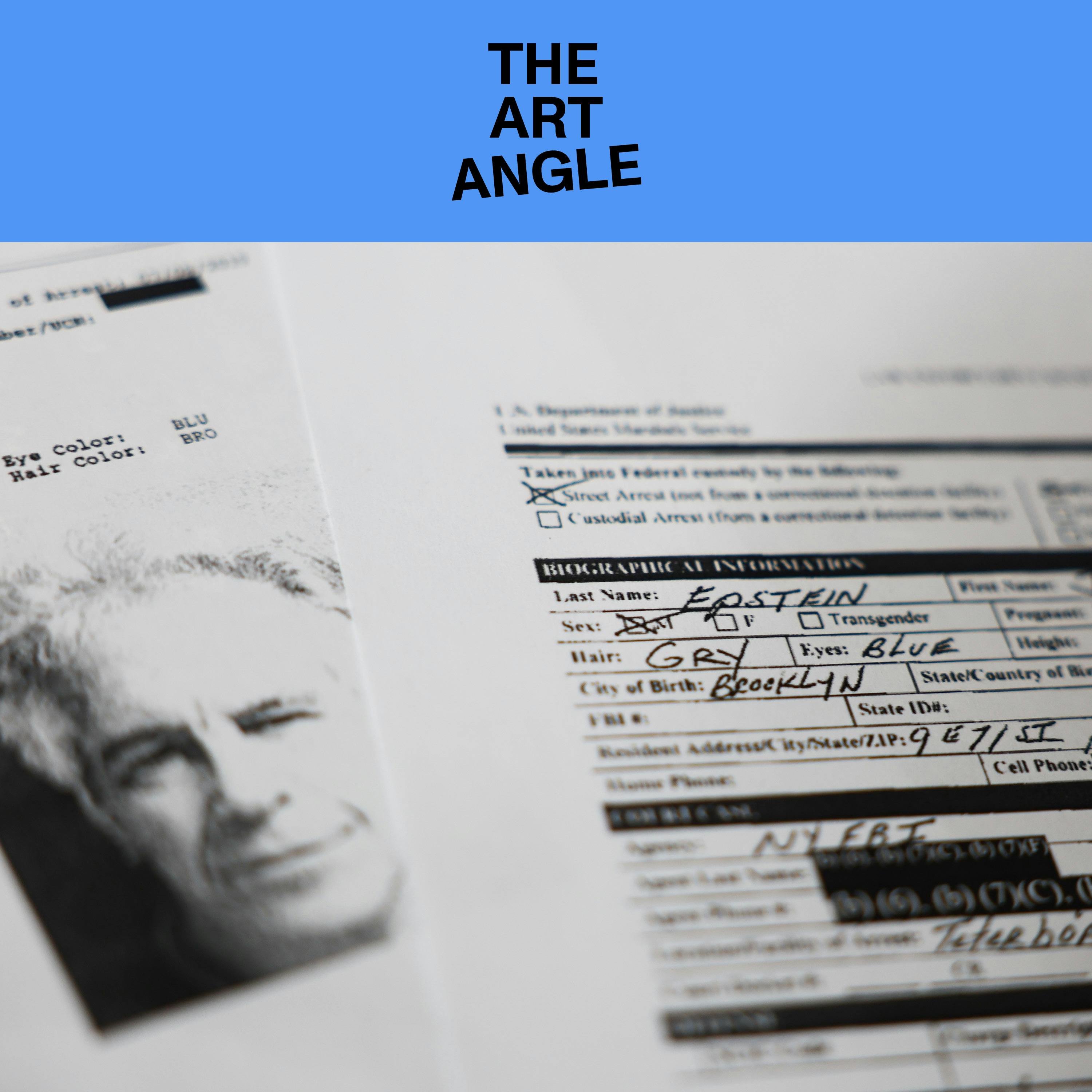
There are many ways to read the vast trove of documents tied to the convicted sex offender and financier Jeffrey Epstein, who died by suicide in prison in 2019. The Epstein files offer a window into the rarefied, power-b...
What Epstein's Emails Tell Us About the Art Market is an episode from The Art Angle by Artnet News. There are many ways to read the vast trove of documents tied to the convicted sex offender and financier Jeffrey Epstein, who died by suicid...
This episode belongs to The Art Angle.
Use the player on this page to stream the episode online.
Published Feb 19, 2026, 42:25 long, audio available.
There are many ways to read the vast trove of documents tied to the convicted sex offender and financier Jeffrey Epstein, who died by suicide in prison in 2019. The Epstein files offer a window into the rarefied, power-brokering circles he inhabited. But the latest tranche—released by the U.S. Department of Justice in late January and comprising some three million pages, 2,000 videos, and 180,000 images—also provides a behind-the-scenes view of high-level financial maneuvering, including Epstein’s connections to the art and cultural worlds. Revelations in the latest files have already had consequences: former French culture minister Jack Lang resigned as president of the Arab World Institute after disclosures connecting him to Epstein, and French financial-crimes prosecutors have opened a preliminary investigation into him and his daughter for alleged “aggravated tax-fraud laundering.” Art collector and film producer Steve Tisch is also facing scrutiny over email correspondence with Epstein in 2013 concerning multiple women. In early February, David A. Ross, chair of the Master of Fine Arts in Art Practice at New York’s School of Visual Arts, resigned after documents showed ties to Epstein. The files also shed additional light on the art holdings of the billionaire Leon Black and his dealings with Epstein. Black, who served as chairman of the board of trustees of the Museum of Modern Art in New York from 2018 to 2021, stepped down from that role after backlash over his financial ties to Epstein, though he remained on the board as a trustee. Black has faced civil lawsuits and allegations that he sexually assaulted women introduced to him through Epstein. Black has denied the claims, and no criminal charges have been filed. So we knew about Black and Epstein, to an extent. But my colleague, senior reporter Katya Kazakina, recently focused on how the latest documents illuminate Epstein’s sophisticated use of financial structures to enhance the value of Black’s vast art holdings—and just how much of his wealth was effectively stored in art. This enormous release is wide-ranging, touching people and industries far beyond the criminal sexual activity in which Epstein was involved. Because of its sheer breadth, it bears emphasizing that inclusion in the files does not imply criminal wrongdoing. More will come to light as journalists and the public sift through the documents.
You can listen to What Epstein's Emails Tell Us About the Art Market online on Radio and Podcast. Open the player on this page to stream the available audio.
What Epstein's Emails Tell Us About the Art Market is an episode from The Art Angle by Artnet News.
This episode is 42:25 long.
This episode was published on Feb 19, 2026.
Yes. Use the heart button on the episode page to add it to your favorite episodes list.
Yes. This page shows related episodes from The Art Angle when more episodes are available from the podcast feed.
You can listen to What Epstein's Emails Tell Us About the Art Market on this page when the episode audio is available from the podcast feed.
What Epstein's Emails Tell Us About the Art Market is from The Art Angle by Artnet News.
Published Feb 19, 2026 and 42:25 long