Assisting Evolution
Grist reporter Amelia Urry visits an Australian lab, where scientists are trying to grow coral that can survive in the future. And a farewel...
 Radio and PodcastLive Radio & Podcasts
A podcast about life on Earth during a weird time: now. We visit people who are thinking about the future and figuring out how we will adapt to a changing planet. Hosted by Science Friday al...
Grist reporter Amelia Urry visits an Australian lab, where scientists are trying to grow coral that can survive in the future. And a farewel...

Outside of Taos, NM, you'll find a community of people living in off-grid homes made of garbage. We visited them.

Michael Reynolds builds off-grid homes out of garbage. Meet the Earthship.

Wild yaks live on the roof of the world, a frosty high-elevation plateau north of the Himalayas. Conservation biologist Joel Berger, of the...

Reporter Ryan Bradley follows up on his quest to buy water.
When you hear "renewable energy," you think solar and wind. But what about spores? Columbia University's Ozgur Sahin explains.
What do Algerian monks have to do with 400 parts per million? Reporter Jeff Delviscio investigates how we measure CO2 in the atmosphere.

Dogs evolved in response to environmental changes tens of millions of years ago. Can that tell us anything about how animals might adapt to...

Jeremy and Charlie, 11 year old students, are worried about climate change. They say it's because their generation will be the one to bear t...

Historian James Fleming talks about the surprising history of weather control and what past failures can tell us about today's geoengineerin...
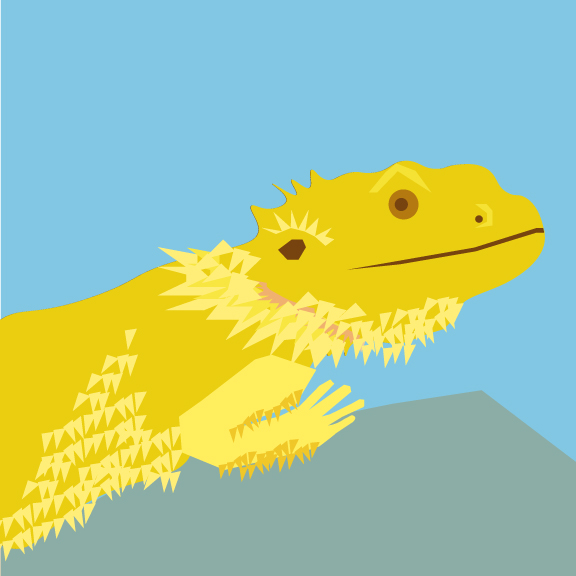
When exposed to high temperatures, Australian Central Bearded Dragons do something strange.

Ethicist Travis Rieder thinks that it's time we talked about population.
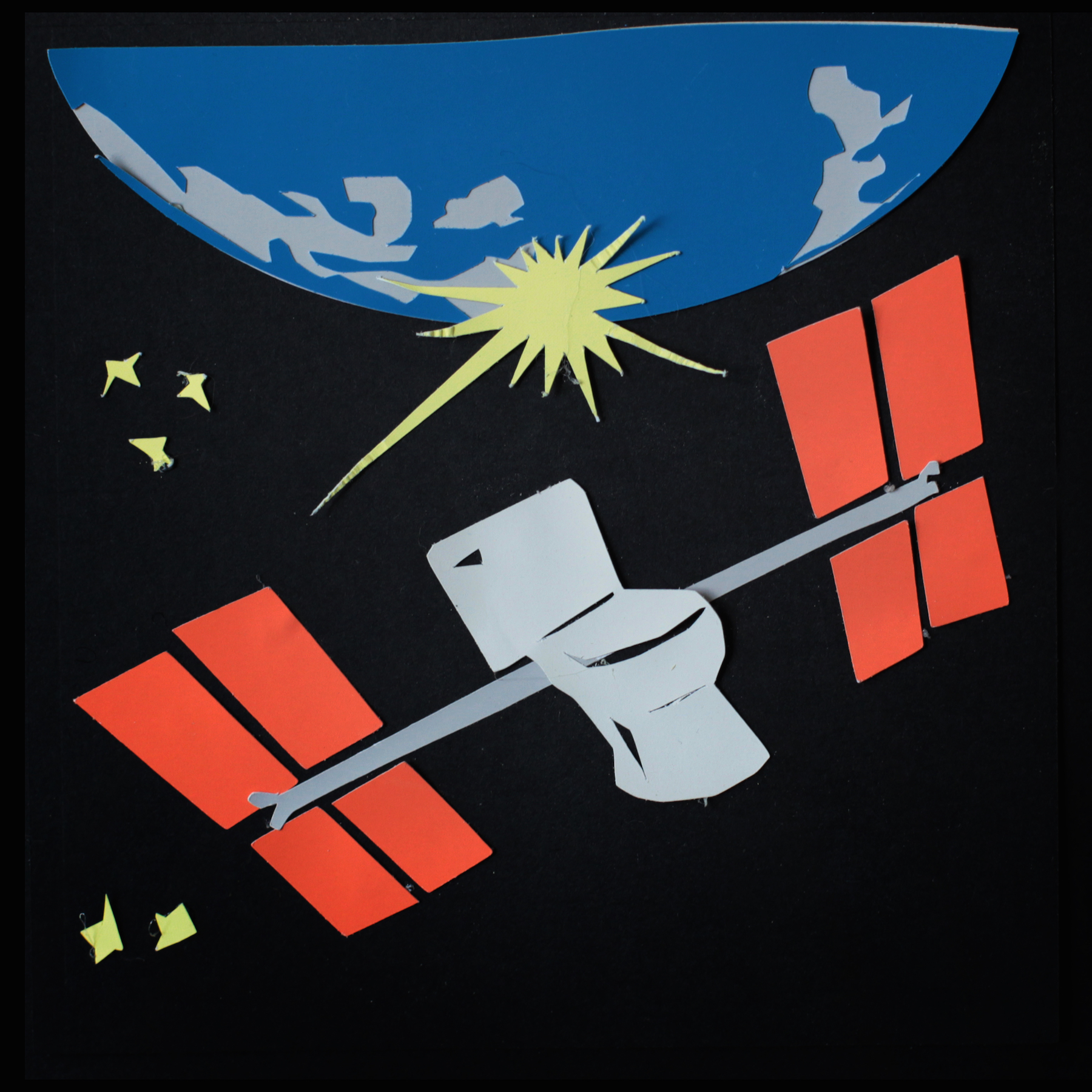
On the International Space Station, sewage, condensation and even sweat get recycled into potable water. We have the technology to recycle w...

Lichens are under threat from climate and habitat changes. Should we care?
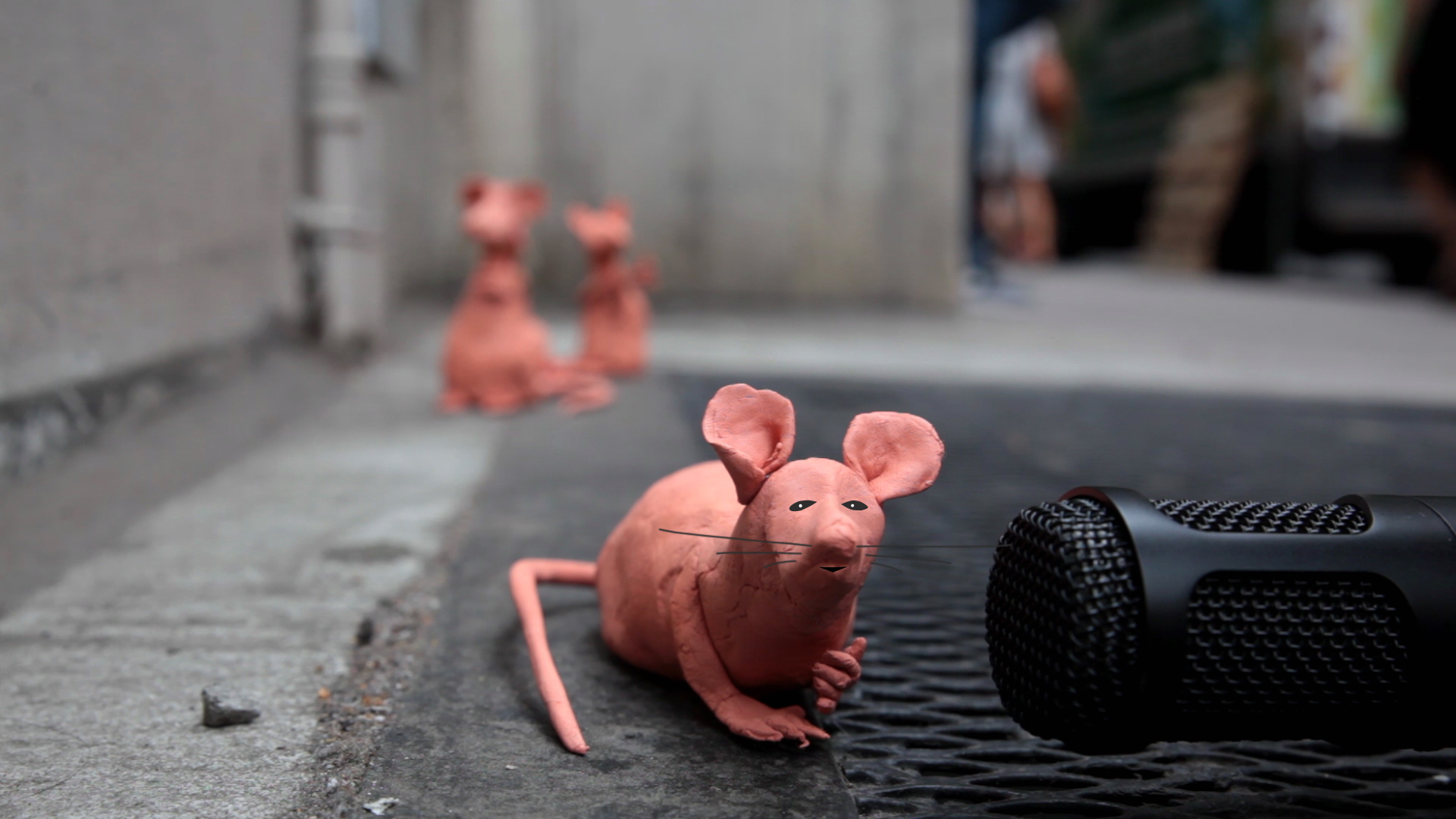
We interviewed New York City rats to get their thoughts on climate change and whether humans will be able to adapt.
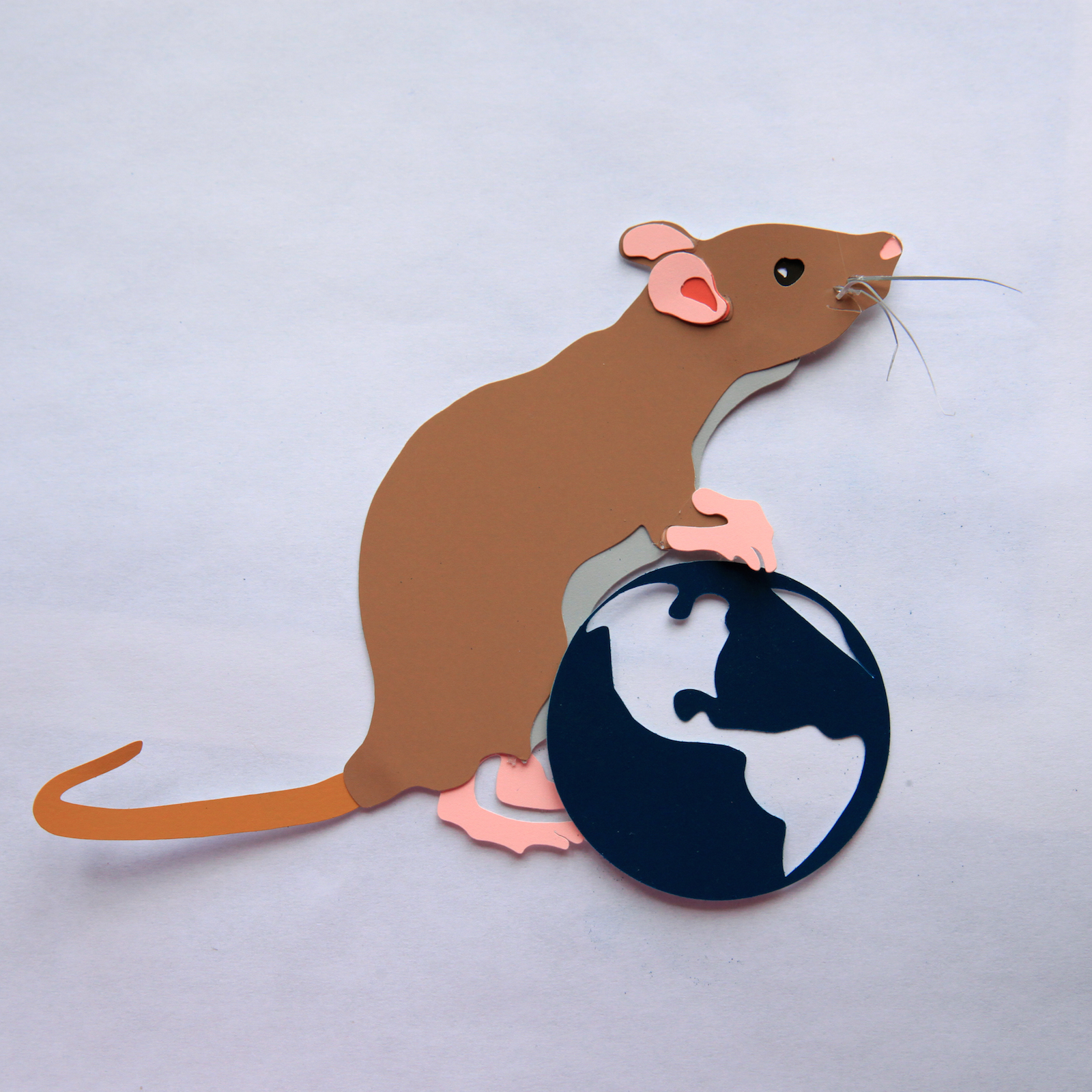
If humans were to go extinct, what would the planet look like? One paleobiologist says the creatures most likely to take our place are rats.

Reporter Ryan Bradley lives in California. Given the drought, he figured it'd be a good idea to buy some water rights. It was more complicat...
We asked for your stories of climate shame. You delivered.
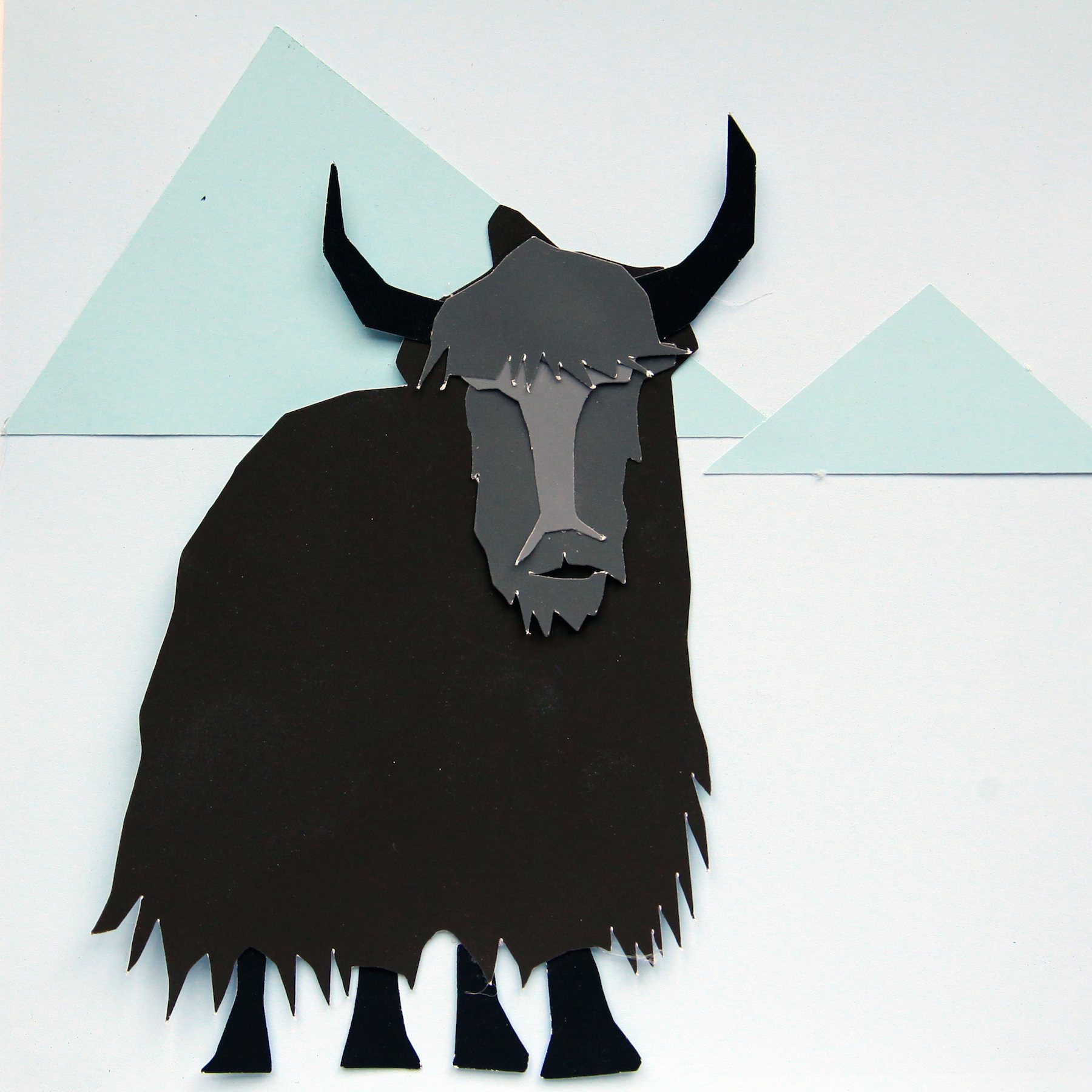
Wild yaks live on the roof of the world, a frosty high-elevation plateau north of the Himalayas. Biologist Joel Berger wanted to find out ho...

Why did a young Romanian inventor build an eco-friendly car made out of half a million LEGO pieces that runs on compressed air? Well, why no...