Pediatric Oncofertility: From Cryopreservation to Future Fertility Solutions
Mar 18, 2026 - 13:02
Radio and PodcastLive Radio & Podcasts
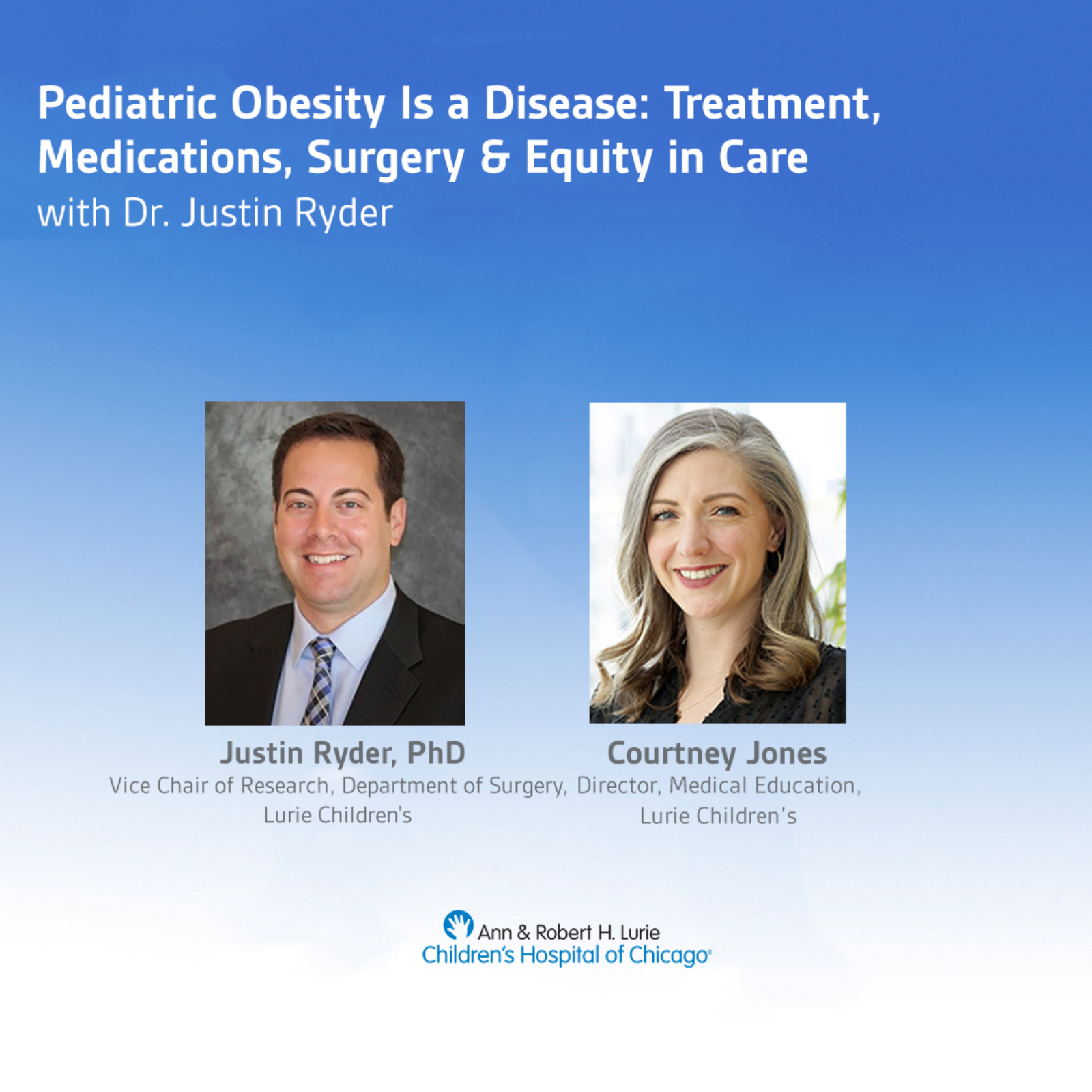
In this segment from Lurie Children’s Hospital, Dr. Justin Ryder breaks down the evolving science and treatment paradigm of pediatric obesity—highlighting why it must be approached as a chronic, biologically driven disea...
Pediatric Obesity Is a Disease: Treatment, Medications, Surgery & Equity in Care w/ Dr. Justin Ryder is an episode from Stay Current in Pediatric Surgery by StayCurrent: Pediatric Surgery. In this segment from Lurie Children’s Hospital, Dr....
This episode belongs to Stay Current in Pediatric Surgery.
Use the player on this page to stream the episode online.
Published Mar 18, 2026, 6:48 long, audio available.
In this segment from Lurie Children’s Hospital, Dr. Justin Ryder breaks down the evolving science and treatment paradigm of pediatric obesity—highlighting why it must be approached as a chronic, biologically driven disease rather than a lifestyle issue. Key Highlights: Obesity Is a Disease: Pediatric obesity is multifactorial, shaped by genetics, epigenetics, hormones, environment, stress, and socioeconomic factors. The newest AAP guidelines formally recognize obesity as a disease and recommend active treatment—not watchful waiting. Shift in Clinical Practice: Treatment should be offered to children above the 85th percentile BMI. The model has shifted from prevention-only efforts to a proactive, continuum-based care strategy. Continuum of Care: Management includes Intensive Health Behavior and Lifestyle Treatment (26+ contact hours), FDA-approved pharmacotherapy for adolescents, and bariatric surgery for select patients—each playing a role depending on severity and response. Efficacy & Challenges: GLP-1 medications demonstrate meaningful weight loss, and bariatric surgery shows durable BMI reduction and improvement in comorbidities. However, weight regain remains a significant biological challenge. MASLD & Long-Term Risk: Obesity is strongly linked to metabolic dysfunction–associated steatotic liver disease (MASLD), affecting millions of youth and placing many at risk for cirrhosis, transplant, or hepatocellular carcinoma. Equity & Advocacy: Obesity disproportionately impacts children of color and those in under-resourced communities. Access to effective treatment—including medications—is a health equity issue that demands advocacy. This session reinforces that pediatric obesity requires early, evidence-based intervention, multidisciplinary care, and systemic advocacy to improve lifelong health outcomes.
You can listen to Pediatric Obesity Is a Disease: Treatment, Medications, Surgery & Equity in Care w/ Dr. Justin Ryder online on Radio and Podcast. Open the player on this page to stream the available audio.
Pediatric Obesity Is a Disease: Treatment, Medications, Surgery & Equity in Care w/ Dr. Justin Ryder is an episode from Stay Current in Pediatric Surgery by StayCurrent: Pediatric Surgery.
This episode is 6:48 long.
This episode was published on Mar 18, 2026.
Yes. Use the heart button on the episode page to add it to your favorite episodes list.
Yes. This page shows related episodes from Stay Current in Pediatric Surgery when more episodes are available from the podcast feed.
You can listen to Pediatric Obesity Is a Disease: Treatment, Medications, Surgery & Equity in Care w/ Dr. Justin Ryder on this page when the episode audio is available from the podcast feed.
Pediatric Obesity Is a Disease: Treatment, Medications, Surgery & Equity in Care w/ Dr. Justin Ryder is from Stay Current in Pediatric Surgery by StayCurrent: Pediatric Surgery.
Published Mar 18, 2026 and 6:48 long