The Driving Force(strategy) Shaping Safaricom
Oct 29, 2025 - 01:01:52

Radio and PodcastLive Radio & Podcasts
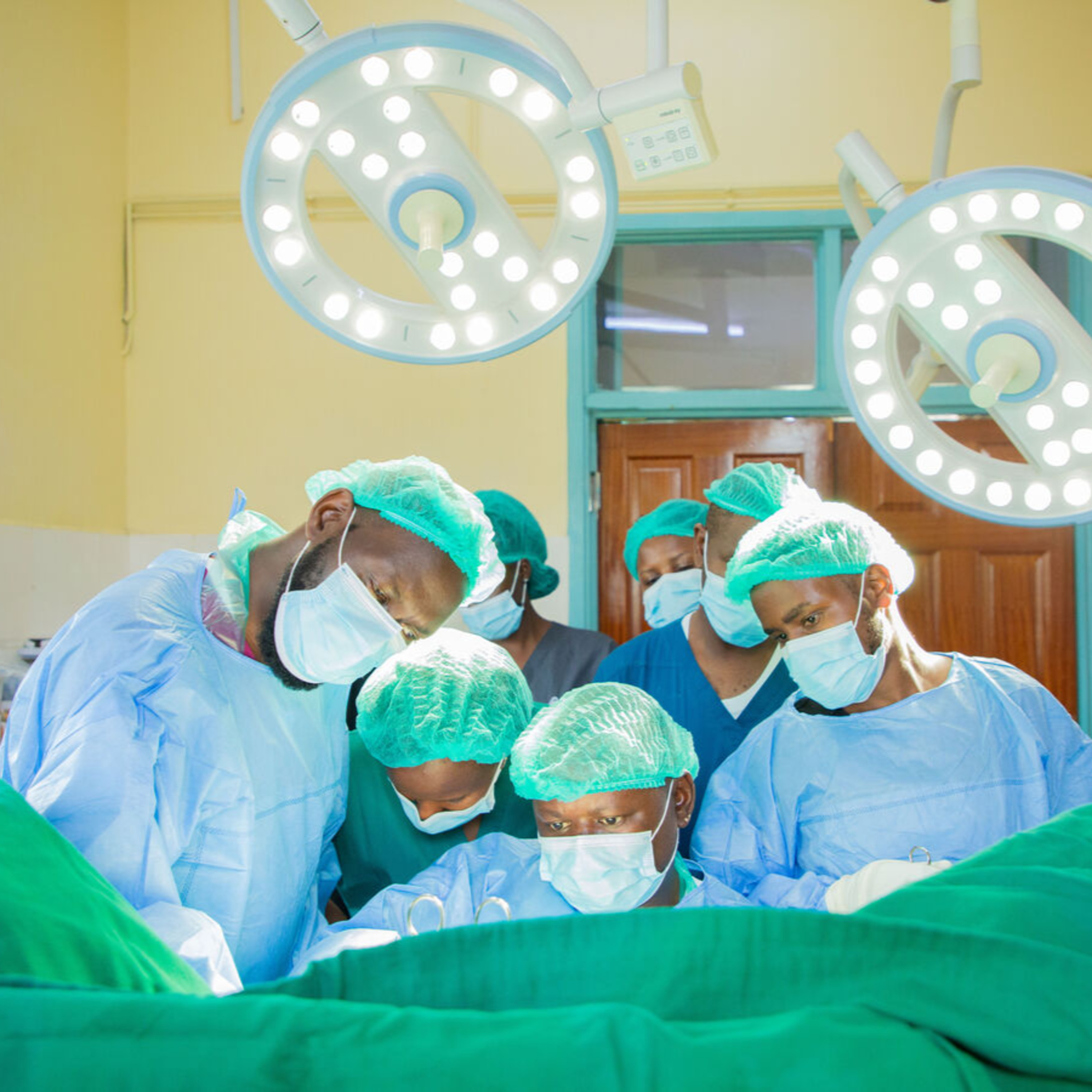
Through 2024, Dr. Daniel Oluoch performed more than 60 fistula-related surgeries across Kenya. He is just one of the 15 fistula surgeons in the African nation. “We are a product of our history,” he says, trying to figure...
Fistula Ep 7: A sister’s keeper is an episode from Safaricom Newsroom by Safaricom PLC. Through 2024, Dr. Daniel Oluoch performed more than 60 fistula-related surgeries across Kenya. He is just one of the 15 fistula surgeons in the African...
This episode belongs to Safaricom Newsroom.
Use the player on this page to stream the episode online.
Published Aug 1, 2025, 00:00:10 long, audio available.
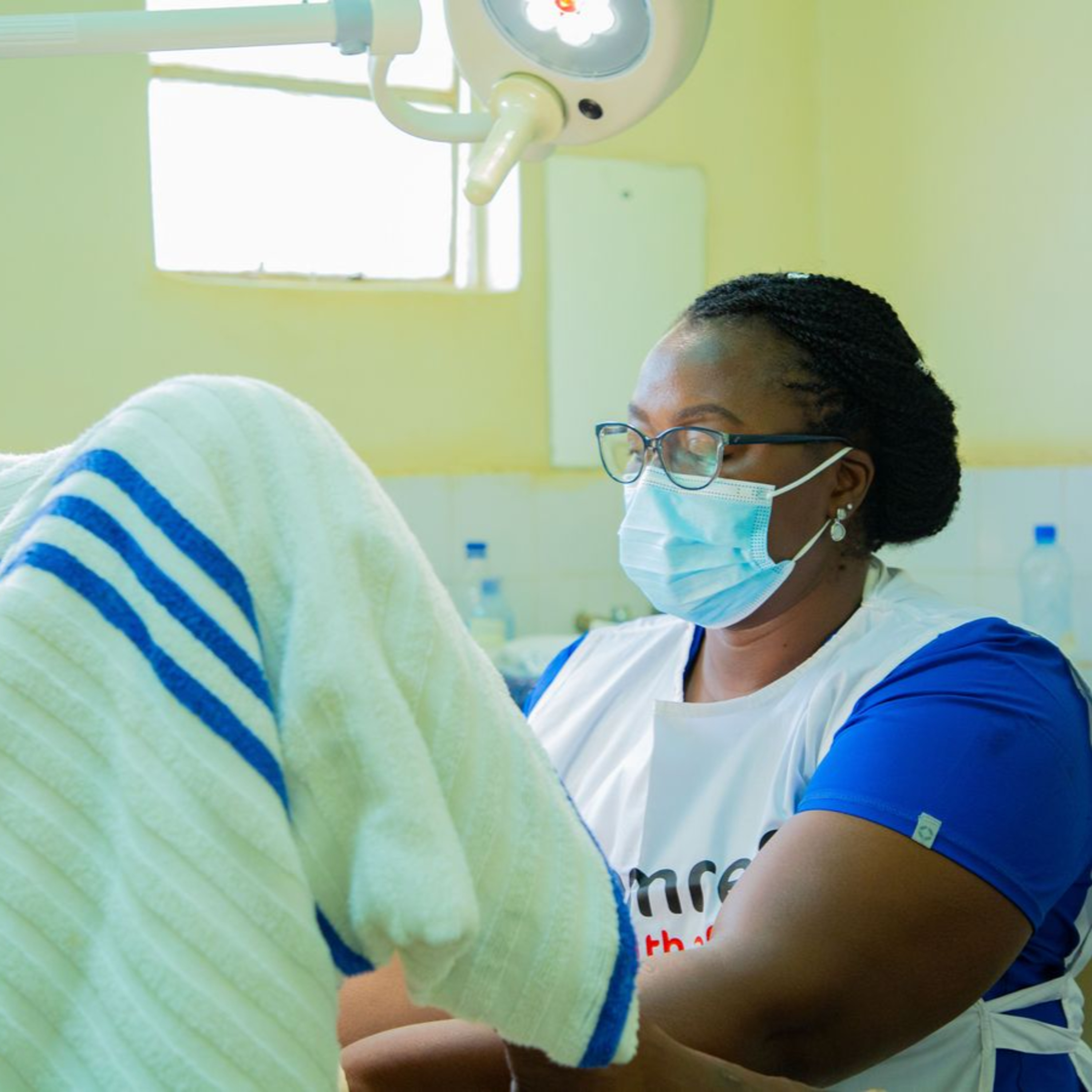
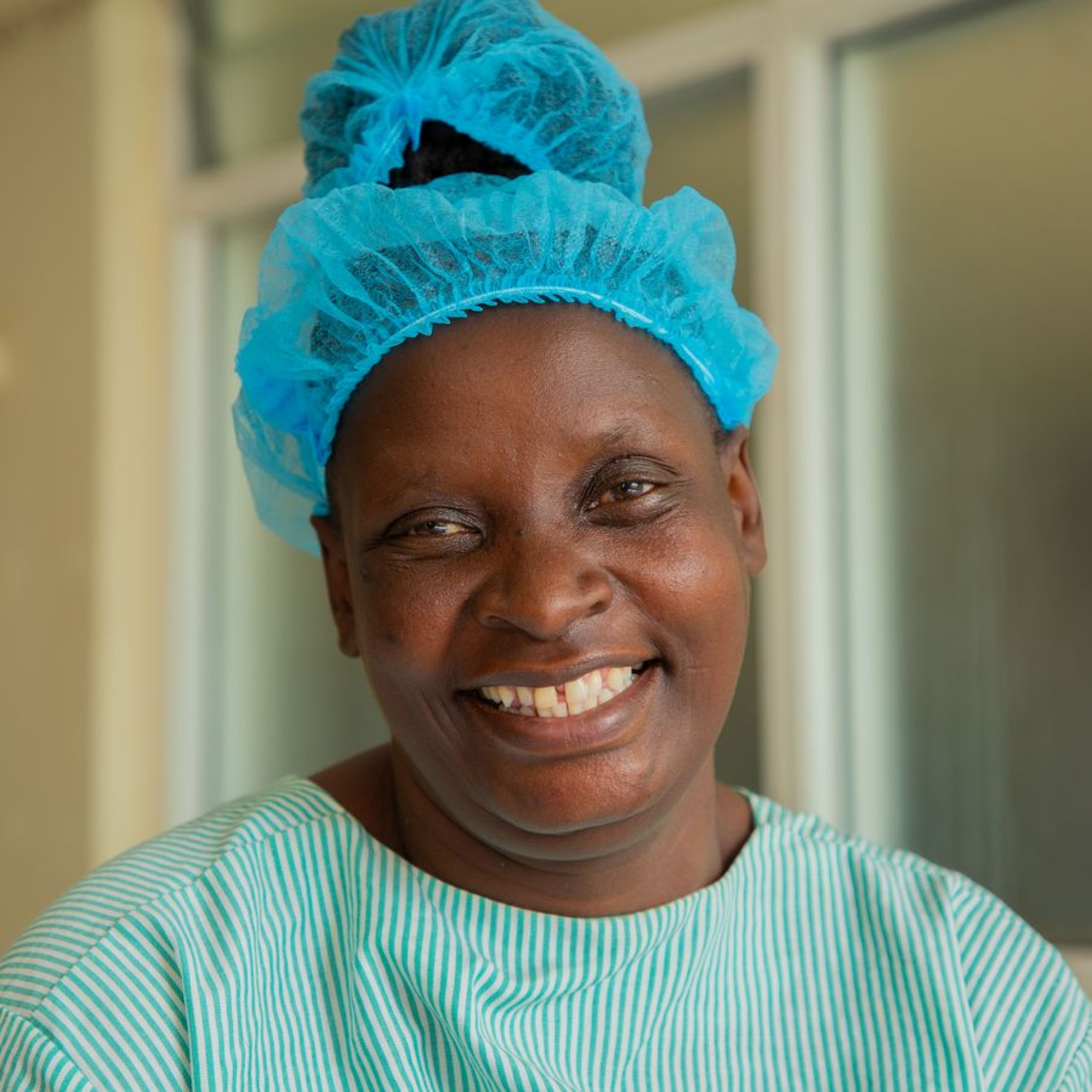
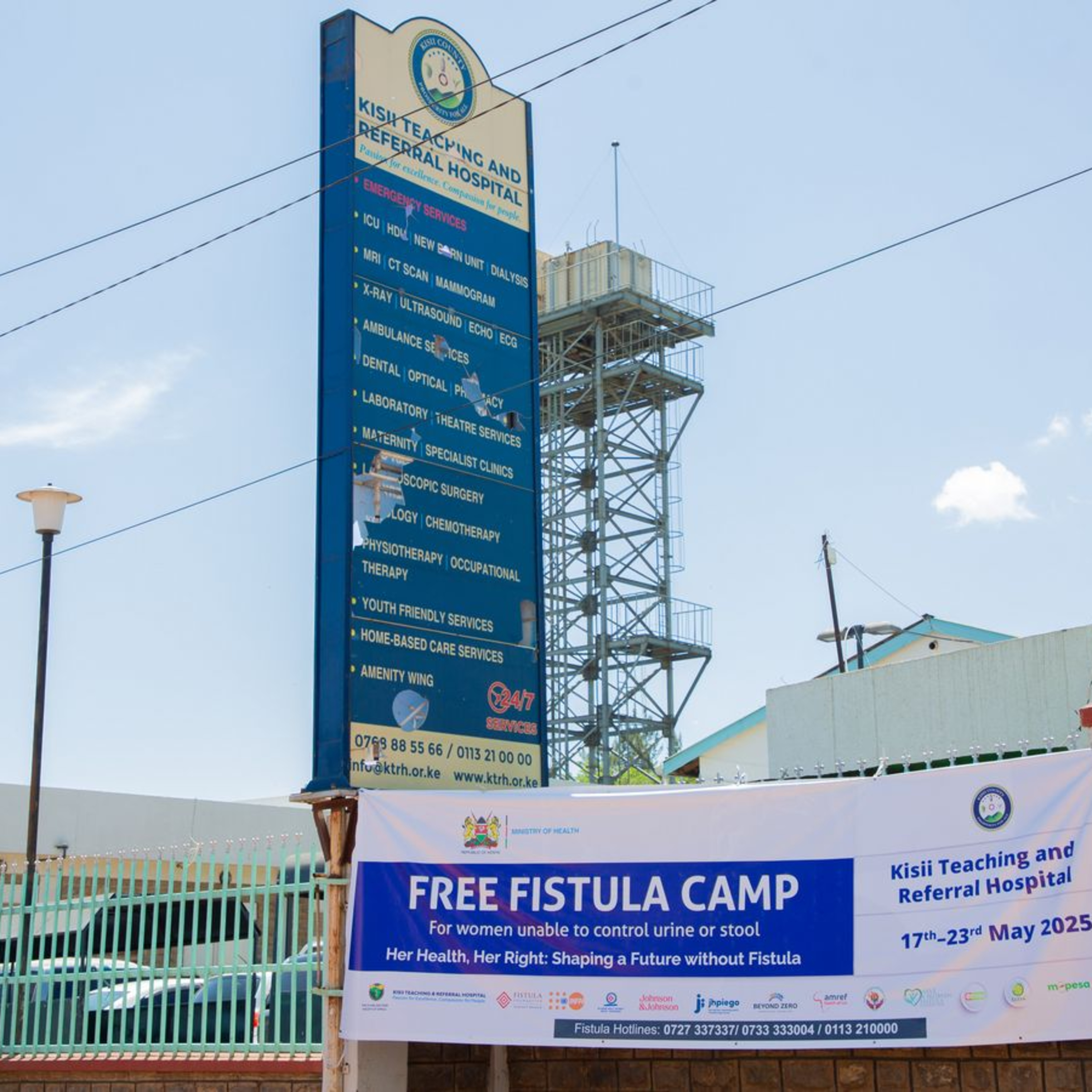
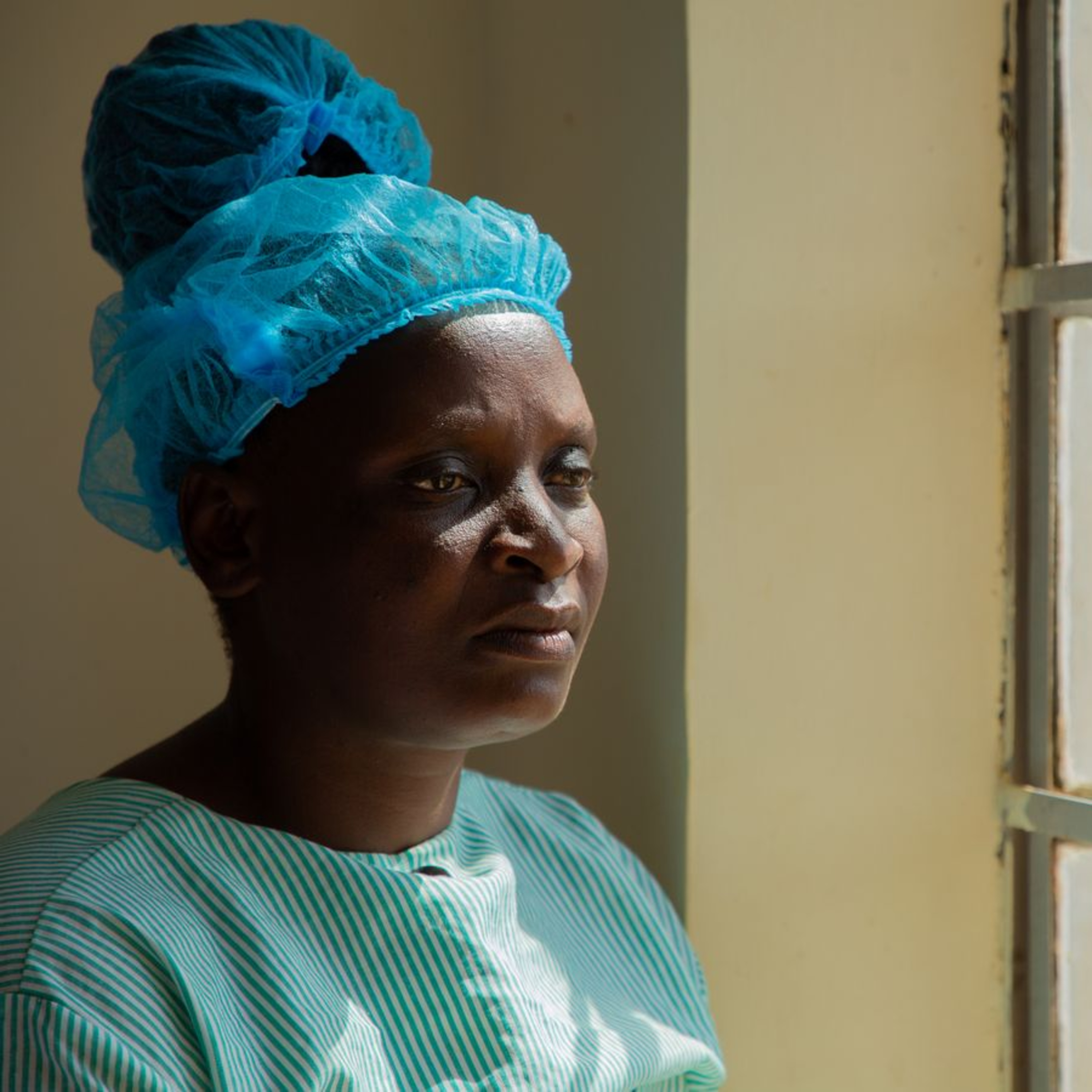
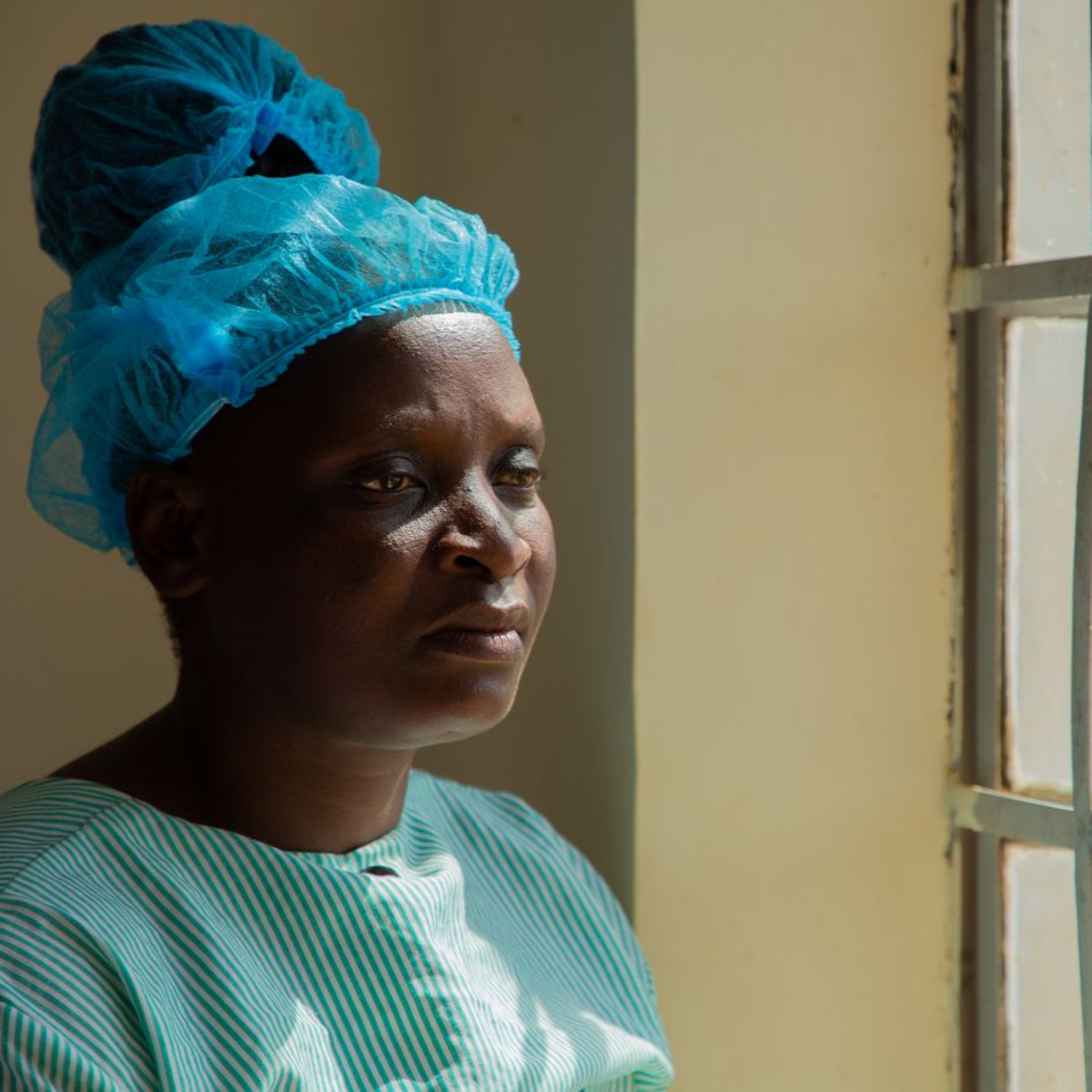
Through 2024, Dr. Daniel Oluoch performed more than 60 fistula-related surgeries across Kenya. He is just one of the 15 fistula surgeons in the African nation. “We are a product of our history,” he says, trying to figure out the things that led him onto the path he is currently on. “I never pictured myself as a doctor. I did not have very high ambitions. But growing up, I came face to face with the plight that women faced when giving birth," he says. Dr. Oluoch grew up with a grandmother who was a midwife. “I would see how women suffered when they came to deliver in my grandmother's homestead. When I got to medical school, I developed an interest in obstetrics and gynecology and went ahead to pursue that.” He has been handling fistula cases since 2018. “There are a few of us because it is less rewarding… the practice has little economic gain. It is for the good of humanity. That is why we have few fistula surgeons, but I am happy the few are giving their time to this selfless act,” he says. Whenever he walks into any fistula-related surgical procedure, he has only one objective. “We aim to restore the original anatomy of the patients. It is not an easy task because it requires great effort to reach these women and even greater effort to convince them to get help,” he says. Stigma often stands between the women and medical intervention. “These women are not afflicted by design. They did not choose it. Secondly, the condition is not contagious, so they should not be put aside. These are normal people who found themselves in this state. We should not seclude them. We should encourage them to get help,” he says. Those who overcome the stigma face yet another hurdle- costs. “Those affected are people of a low social status. These medical camps are the only resort for some of these women,” Dr. Oluoch says. The surgeries are not cheap and are out of reach for most of the affected women. “Our reward is in seeing the smiles on their face after they get the intervention. Some require multiple surgeries. We try as much to restore them. For those we cannot restore completely, we do something called 'diversion' so that they do not soil themselves.” The success of the surgery often relies on the surgeon's technique and the quality of post-operative care. This ensures that they are cured at the first attempt. Kenya may not be where it needs to be in terms of addressing fistula cases. However, for those who've been in the game for a while, notable progress has been made. Beatrice Ogutu, a fistula nurse at Kenya's largest referral hospital, the Kenyatta National Hospital, has been handling fistula cases since 2008. She has seen the highs; she has seen the lows. Throughout her roller coaster ride as a nurse, she has lost hope, regained it, and lost it again. Today, she is regaining it once more. “We are less than 20 fistula nurses in the country. Some train, but along the way, they fizzle out,” Beatrice says. “It is not an easy job. It is a calling. When we see our mothers leaving our facilities smiling, it gives us hope that we are doing good work.” But beyond the smiles, there is an often-untold toll on nurses like Beatrice. “You hear stories of mothers, and they put you down,” Beatrice says. “We always seek god’s guidance along the way and even when we are working. In the darkness that is the life of those living with fistula, it is up to us to find the light. For her, a guiding light is encouraging patients who have suffered from this condition to come forward for treatment and, critically, finding the right partners to ensure that the interventions work “The surgery is not cheap. A simple procedure in a public hospital costs up to KSh. 60,000 Eventually, many end up spending around Ksh. 160,000 to Ksh. 180,000. Many of those afflicted cannot afford this,” Beatrice says. “Having free medical camps ensures these bills are met. My endearing message is that there is hope.”
You can listen to Fistula Ep 7: A sister’s keeper online on Radio and Podcast. Open the player on this page to stream the available audio.
Fistula Ep 7: A sister’s keeper is an episode from Safaricom Newsroom by Safaricom PLC.
This episode is 00:00:10 long.
This episode was published on Aug 1, 2025.
Yes. Use the heart button on the episode page to add it to your favorite episodes list.
Yes. This page shows related episodes from Safaricom Newsroom when more episodes are available from the podcast feed.
You can listen to Fistula Ep 7: A sister’s keeper on this page when the episode audio is available from the podcast feed.
Fistula Ep 7: A sister’s keeper is from Safaricom Newsroom by Safaricom PLC.
Published Aug 1, 2025 and 00:00:10 long