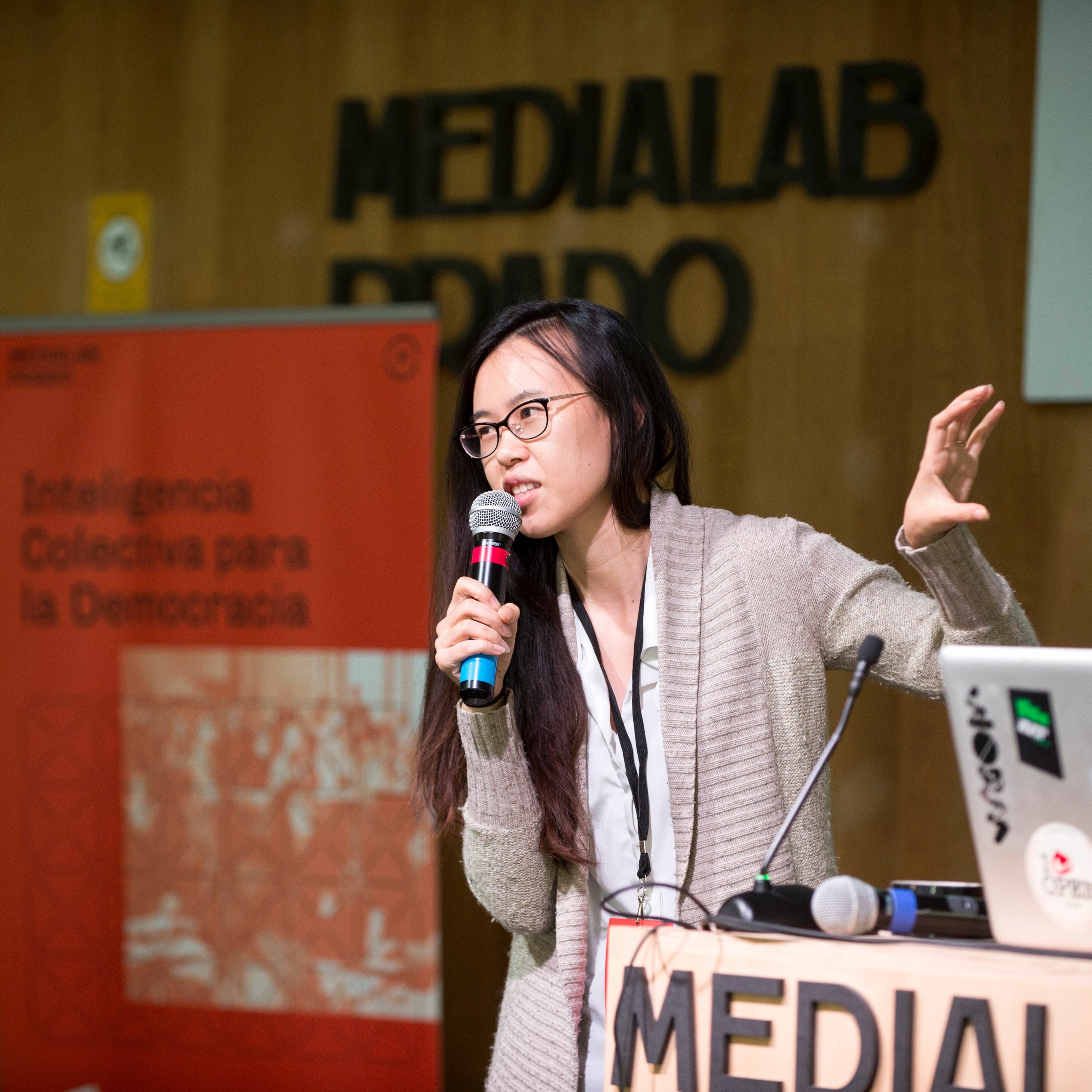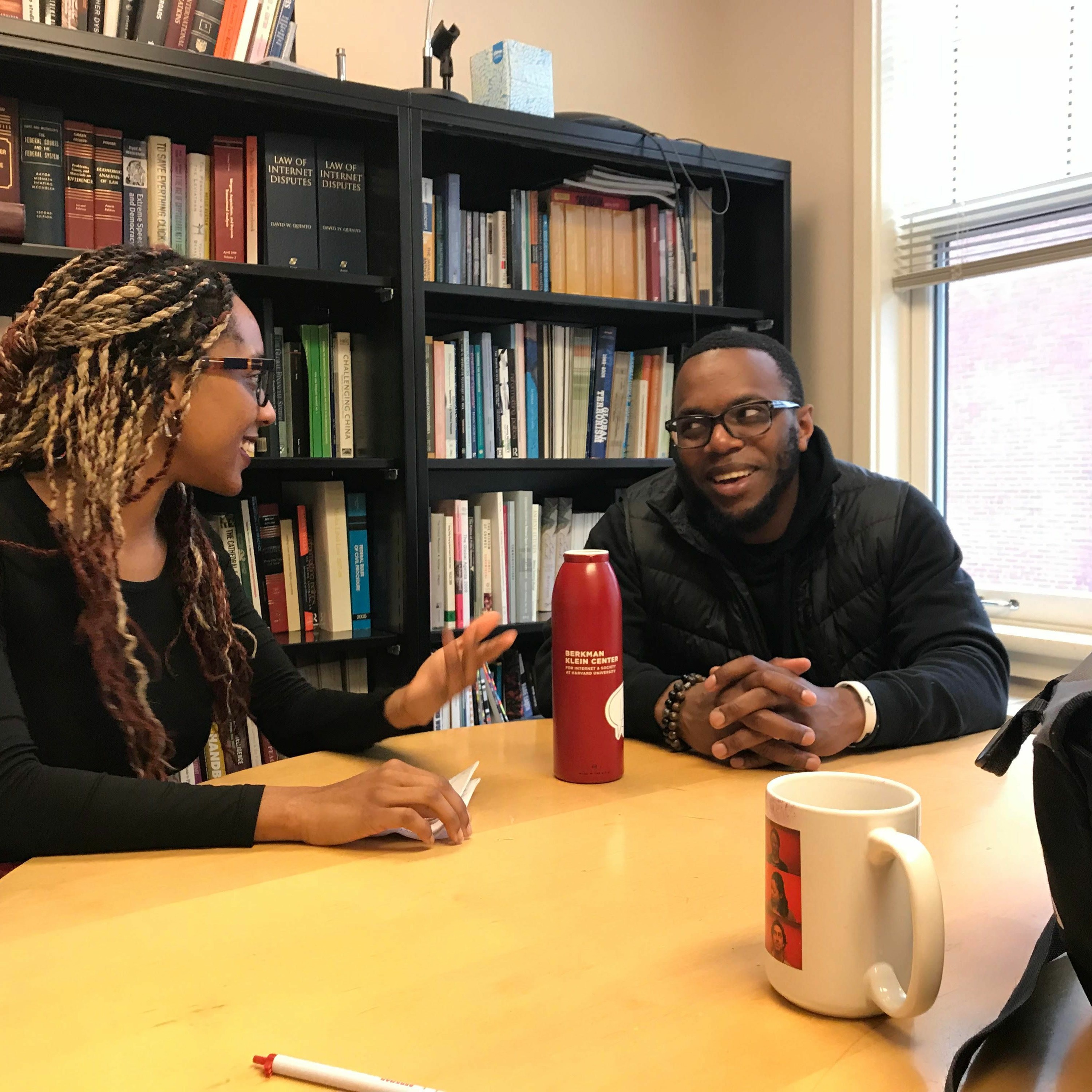
A spotlight on Nieman-Berkman Klein Fellow Jonathan Jackson
Jan 11, 2019 - 00:23:22

Radio and PodcastLive Radio & Podcasts
Even before Election Day, 2016, observers of technology & journalism were delivering warnings about the spread of fake news. Headlines like “Pope Francis Shocks World, Endorses Donald Trump For President” and “Donald Tru...
Fake News & How To Stop It is an episode from Radio Berkman by Berkman Klein Center for Internet & Society at Harvard University. Even before Election Day, 2016, observers of technology & journalism were delivering warnings about the spread...
This episode belongs to Radio Berkman.
Use the player on this page to stream the episode online.
Published Dec 15, 2016, 00:26:30 long, audio available.
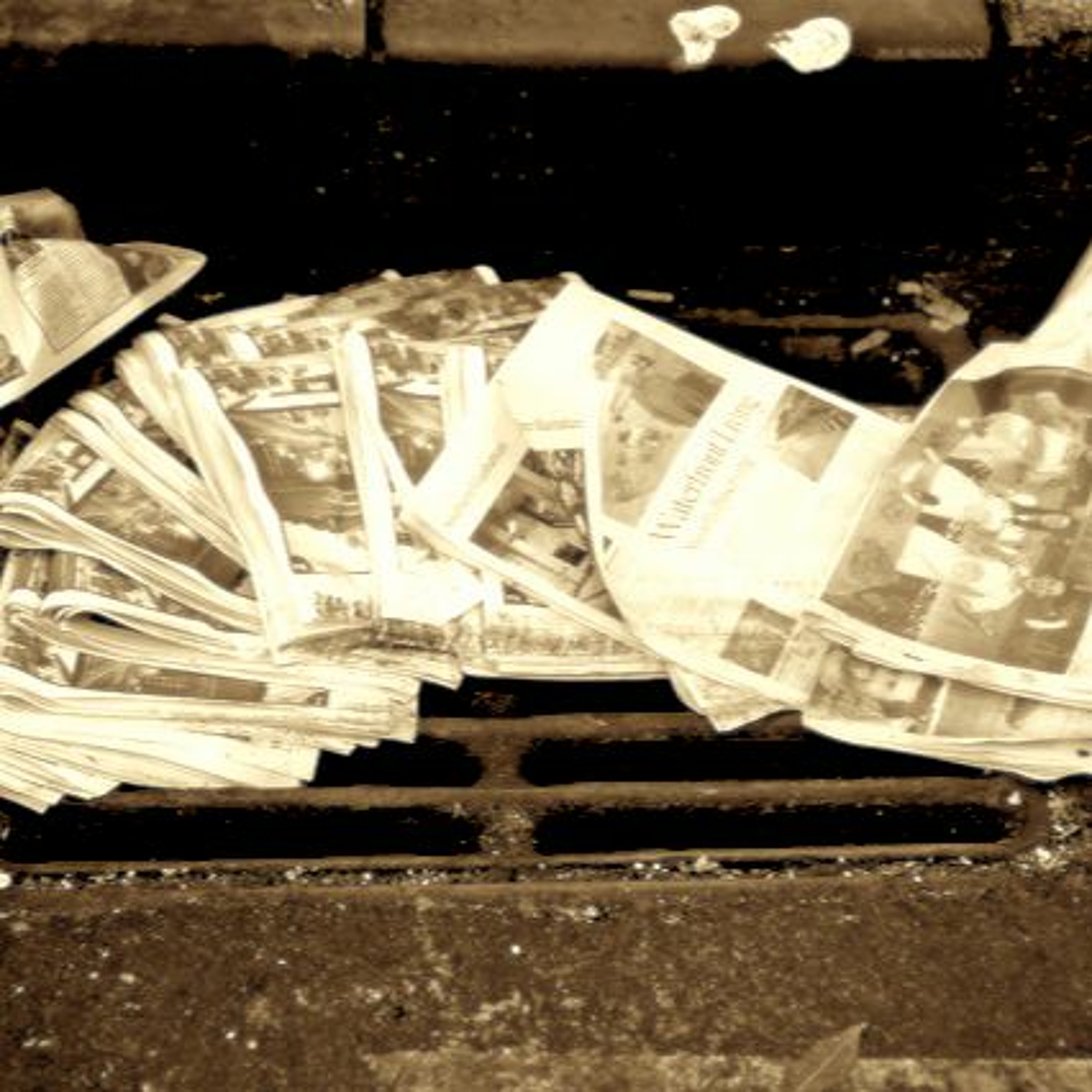
Even before Election Day, 2016, observers of technology & journalism were delivering warnings about the spread of fake news. Headlines like “Pope Francis Shocks World, Endorses Donald Trump For President” and “Donald Trump Protestor Speaks Out, Was Paid $3500 To Protest” would pop up, seemingly out of nowhere, and spread like wildfire. Both of those headlines, and hundreds more like them, racked up millions of views and shares on social networks, gaining enough traction to earn mentions in the mainstream press. Fact checkers only had to dig one layer deeper to find that the original publishers of these stories were entirely fake, clickbait news sites, making up false sources, quotes, and images, often impersonating legitimate news outlets, like ABC, and taking home thousands of dollars a month in ad revenue. But by that time, the damage of fake news was done - the story of the $3500 protestor already calcified in the minds of the casual news observer as fact. It turns out that it’s not enough to expect your average person to be able to tell the difference between news that is true and news that seems true. Unlike the food companies who create the products on our grocery shelves, news media are not required by law to be licensed, inspected, or bear a label of ingredients and nutrition facts, not that they should or could be. But the gatekeepers of news media that we encounter in the digital age - the social media platforms like Facebook and Twitter, search engines like Google, and content hosts like YouTube - could and should be pitching in to help news consumers navigate the polluted sea of content they interact with on a daily basis. That’s according to Berkman Klein Center co-founder Jonathan Zittrain and Zeynep Tufekci, a techno-sociologist who researches the intersection of politics, news, and the internet. They joined us recently to discuss the phenomenon of fake news and what platforms can do to stop it. Facebook and Google have recently instituted to processes to remove fake news sites from their ad networks. And since this interview Facebook has also announced options allowing users to flag fake news, and a partnership with the factchecking website Snopes to offer a layer of verification on questionable sites. For more on this episode visit: CC-licensed content this week: Neurowaxx: “Pop Circus” ( Photo by Flickr user gazeronly (
You can listen to Fake News & How To Stop It online on Radio and Podcast. Open the player on this page to stream the available audio.
Fake News & How To Stop It is an episode from Radio Berkman by Berkman Klein Center for Internet & Society at Harvard University.
This episode is 00:26:30 long.
This episode was published on Dec 15, 2016.
Yes. Use the heart button on the episode page to add it to your favorite episodes list.
Yes. This page shows related episodes from Radio Berkman when more episodes are available from the podcast feed.
You can listen to Fake News & How To Stop It on this page when the episode audio is available from the podcast feed.
Fake News & How To Stop It is from Radio Berkman by Berkman Klein Center for Internet & Society at Harvard University.
Published Dec 15, 2016 and 00:26:30 long