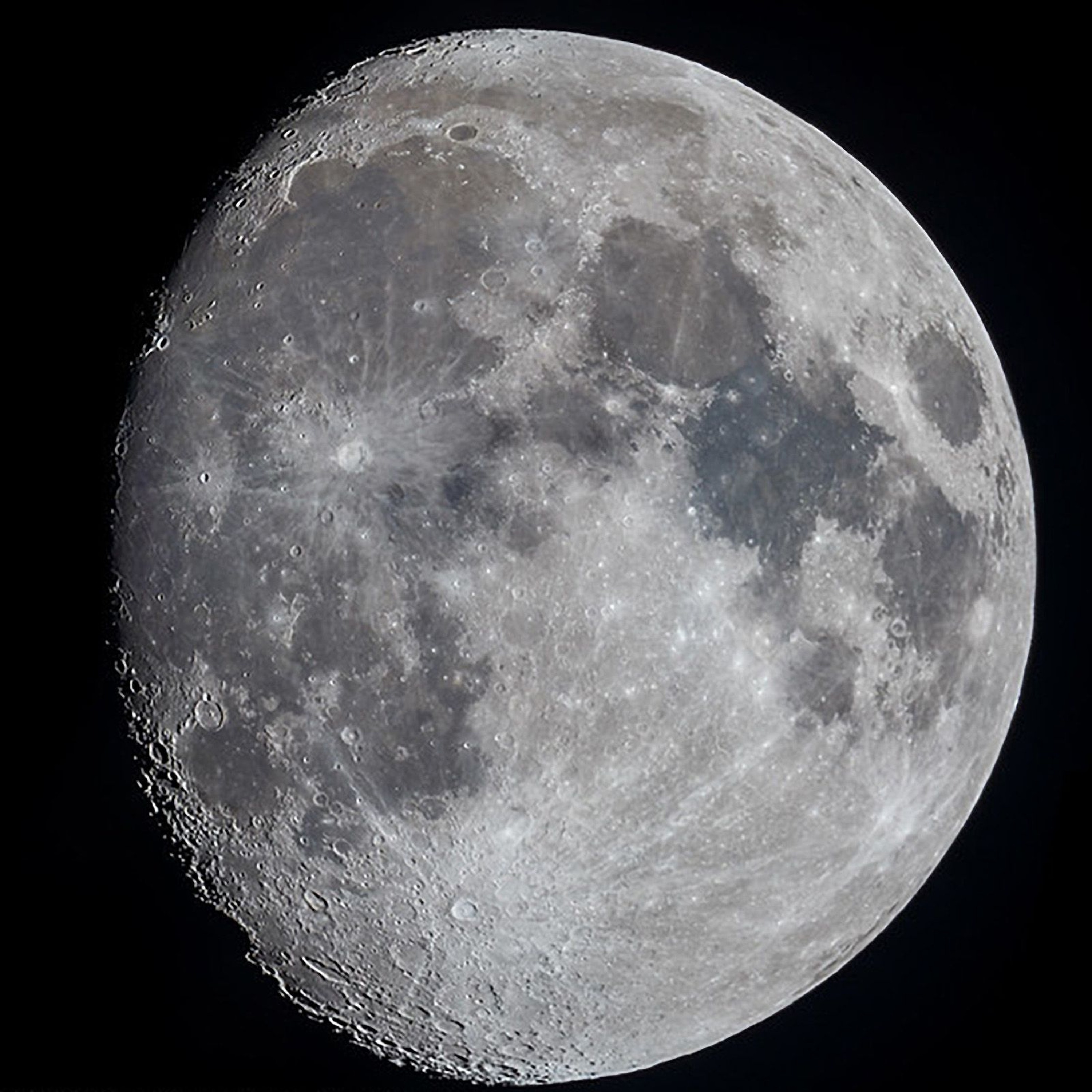
4/27/26 - Waxing Gibbous Moon
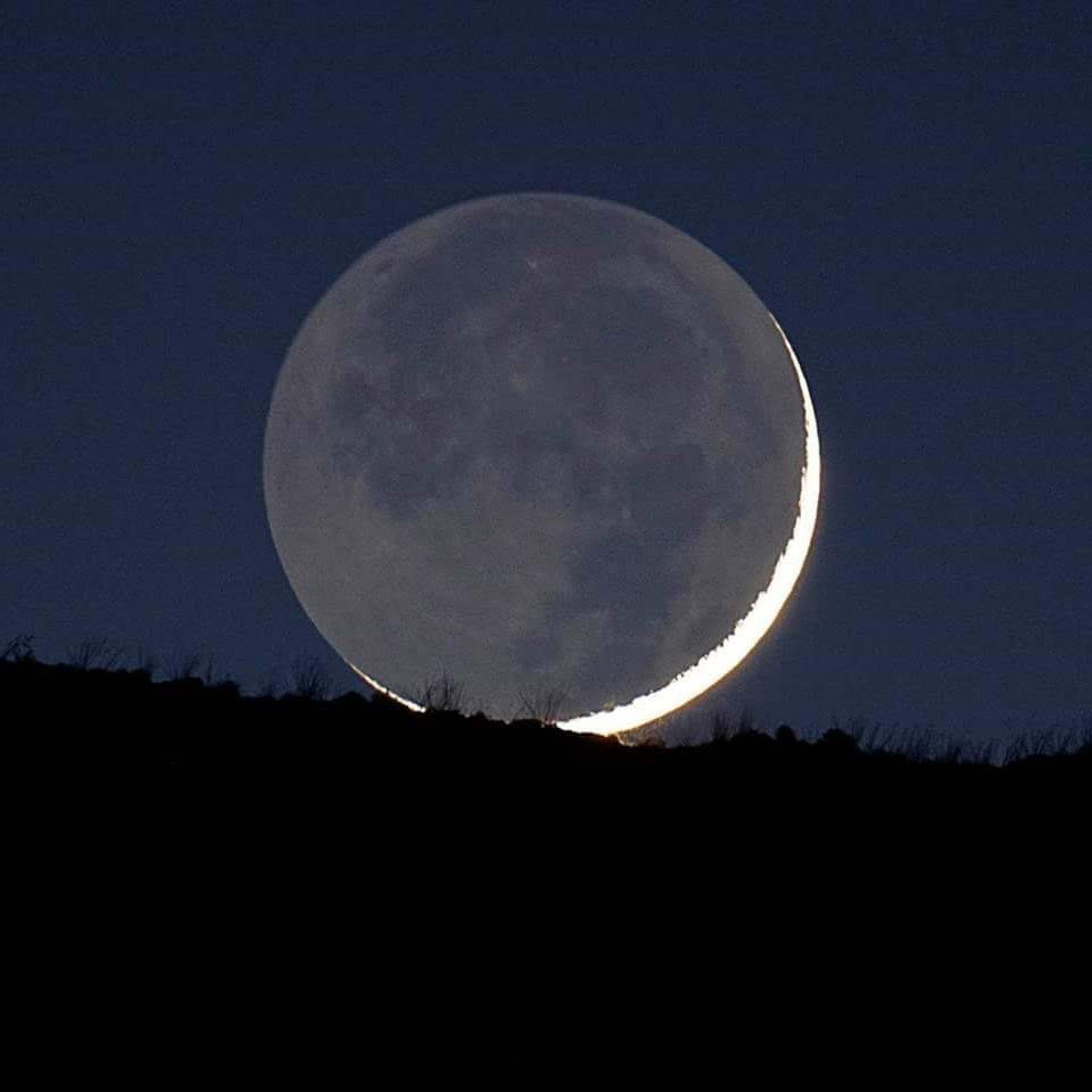
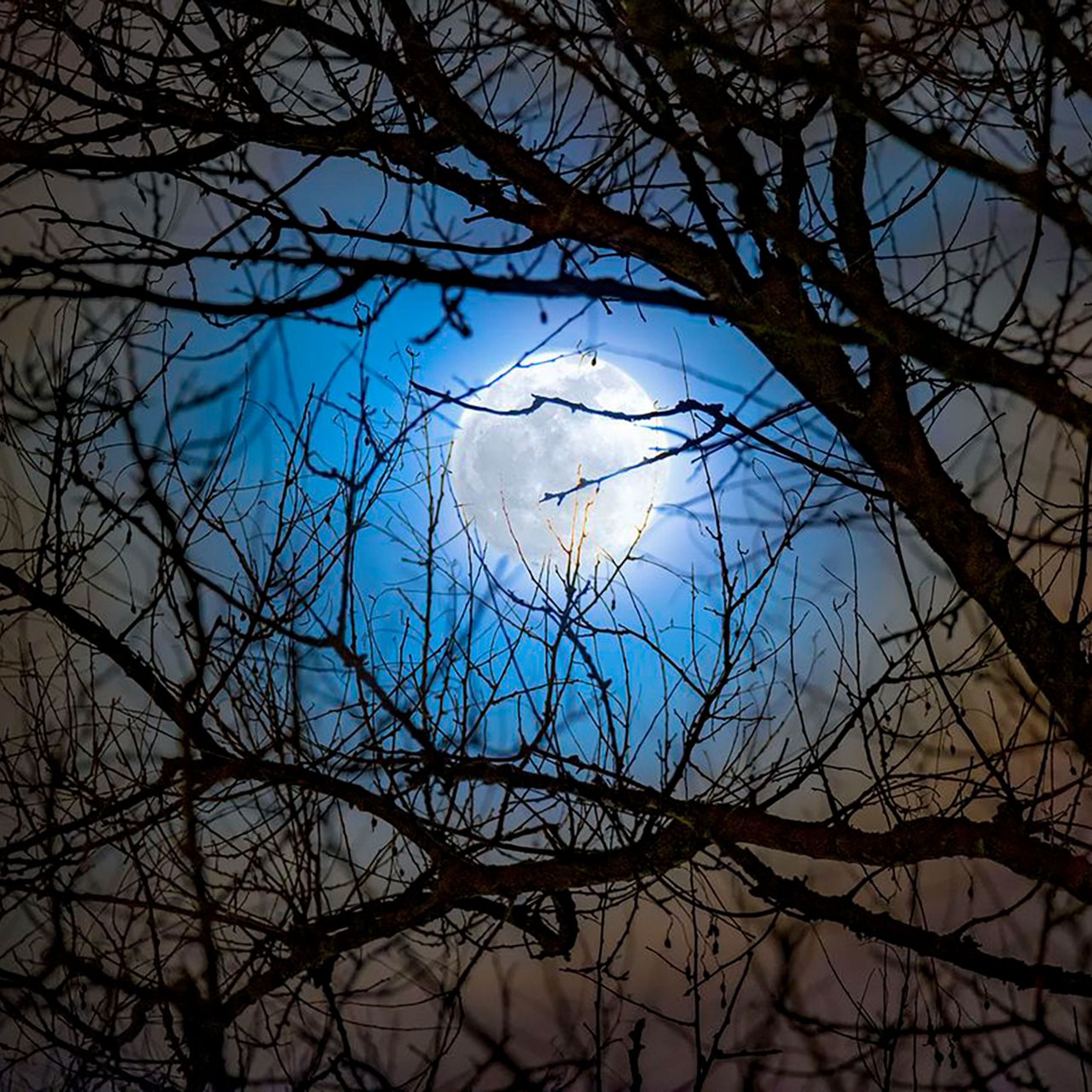
With the warmer nights of spring, a great outdoor activity is to do some binocular viewing. And now is a good time to use them on the moon!...
Radio and PodcastLive Radio & PodcastsOpening Radio and Podcast...

Radio and PodcastLive Radio & PodcastsFetching podcast shows and categories...
Radio and PodcastLive Radio & PodcastsFetching podcast episodes...

Mike Murray from the Delta College Planetarium takes a look at what's up in the night sky. Things are happening all the time in the backyard universe, and many of them don't require a telesc...

With the warmer nights of spring, a great outdoor activity is to do some binocular viewing. And now is a good time to use them on the moon!...

After three months of what people call the meteor drought, the annual Lyrid meteor shower comes to a peak this week. Support this podcast: h...

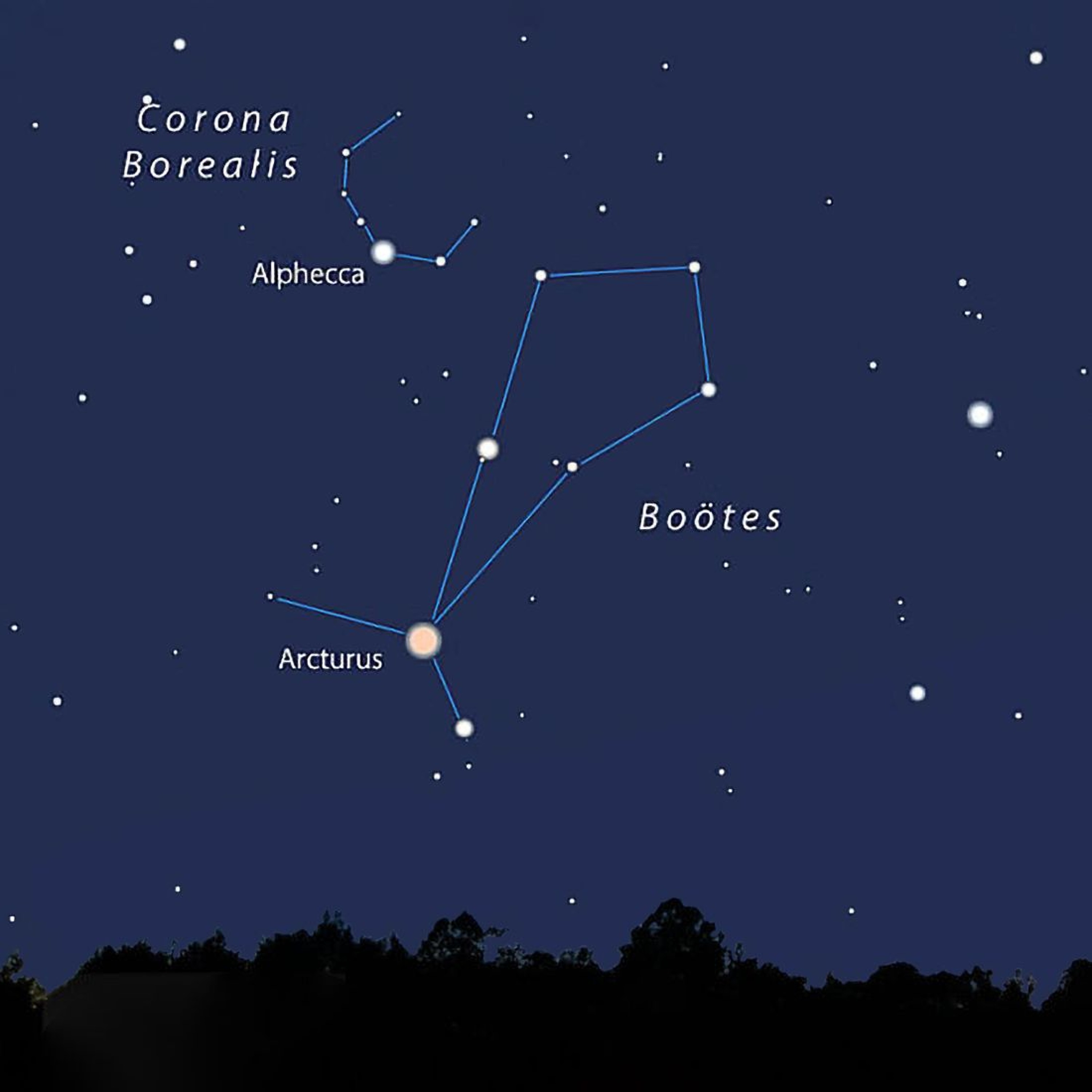
Spring is the time of year when the Big Dipper climbs higher into the northern sky. But the Big Dipper is not itself a constellation. It’s o...

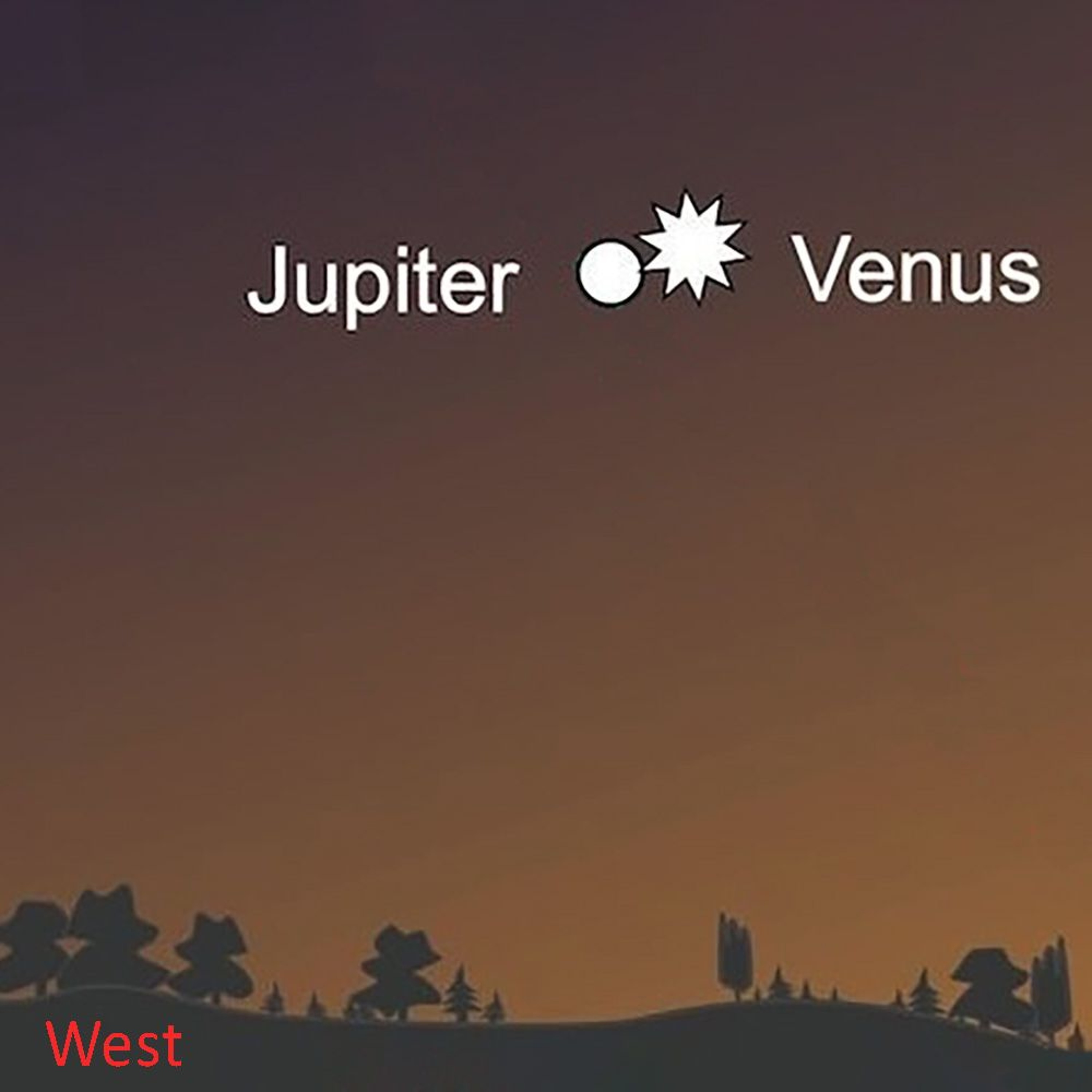
After more than a year, the planet Venus finally makes its way back into the evening skies, but you’ll have to look low in the west during d...

As the phase of the moon grows steadily from first quarter to full, it’s a good opportunity to explore the contrasts of light and dark on it...

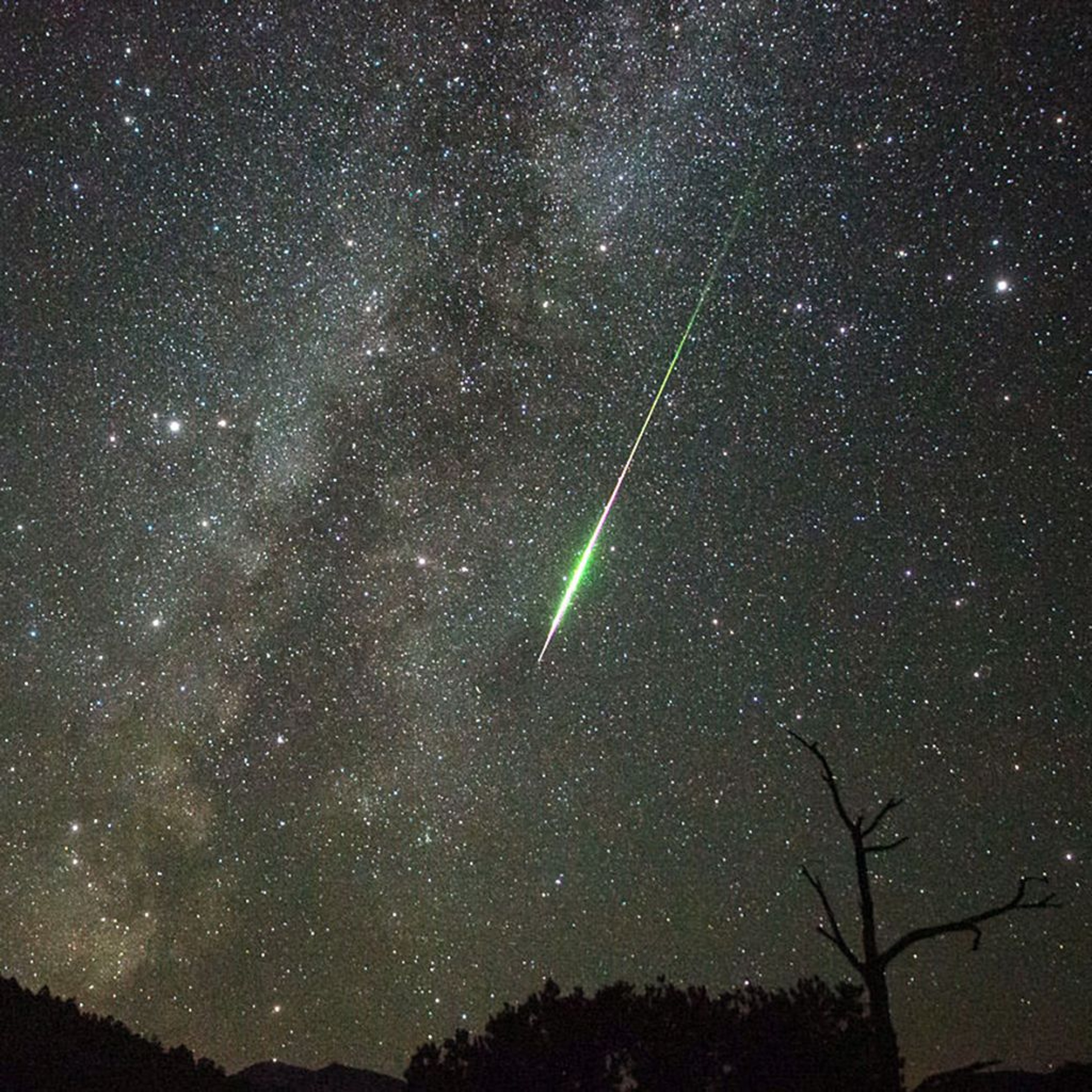
No matter the time of year, under a clear dark sky you can expect to see four or five little streaks of light each hour. Sometimes called sh...

This year, the March equinox arrives on the 20th which marks the first day of spring for the northern hemisphere. Support this podcast: http...

It’s often said that the best conditions for stargazing are under dark skies with minimal light pollution. But in this modern age of excessi...

Before Saturn disappears in the sun’s glare altogether, you’ll have a rare chance to see it meet up with the brighter planet Venus, a close...

The March full moon is known as the “Sap Moon” because March marks the tapping of the maple trees. It also coincides with a total lunar ecli...

Under a clear dark sky, this is the best time of year to look for a lesser known constellation called Lepus the Hare. Support this podcast:...

What’s the brightest star in the entire nighttime sky? It’s called Sirius – seriously. Support this podcast: https://www.deltapublicmedia.or...

As the moon wanes and rises later each night, the early evening skies are dark again, allowing us to see the faint deep sky marvels of the w...

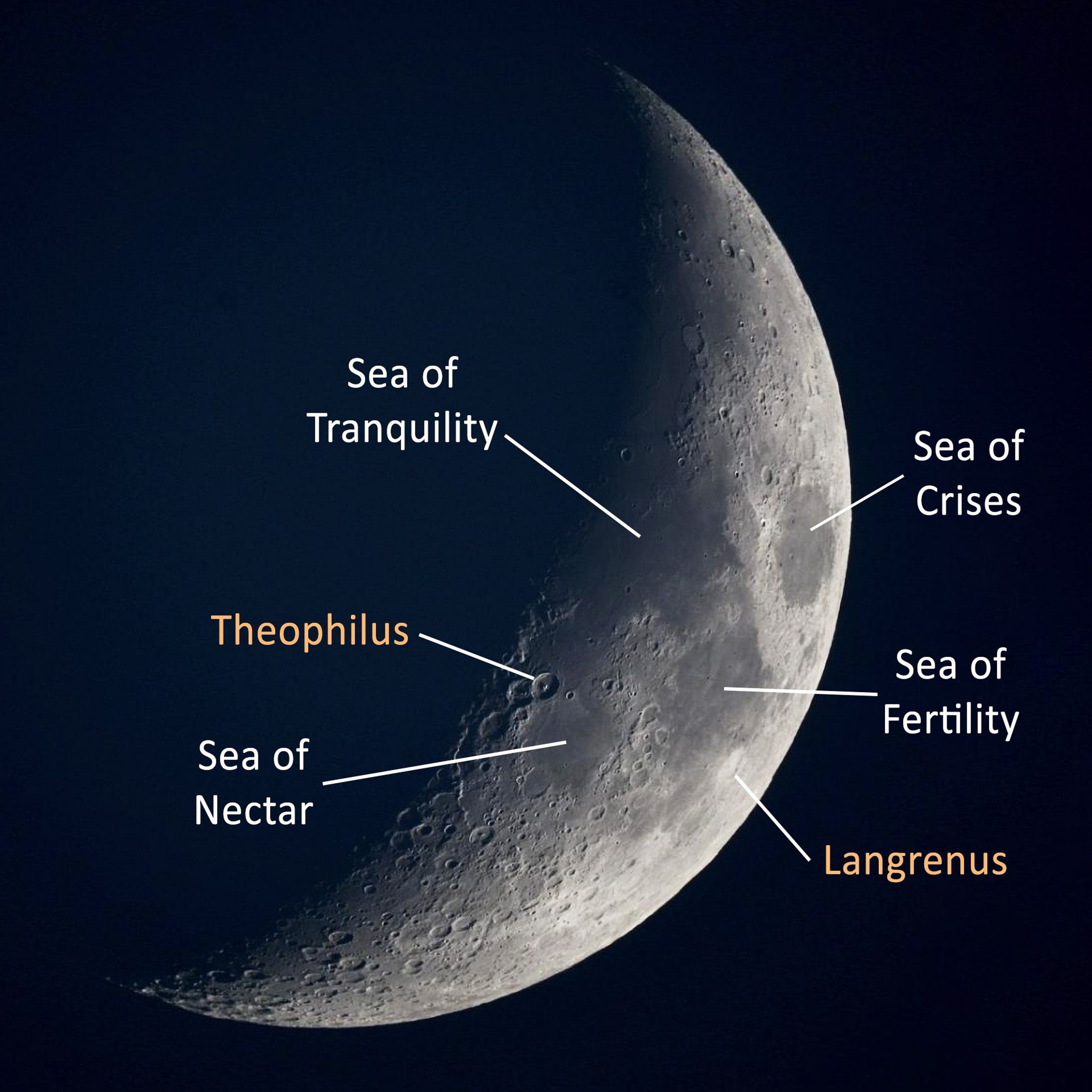
As the Gibbous Moon grows larger, you can see new details coming into view as the day-night line progresses across the lunar surface each ni...

Betelgeuse, a star in Orion the Hunter, will eventually collapse into a supernova, which would bright enough to see in the daylight for week...

Low in the east, soon after dark, you’ll find a star so bright that it looks like a fiery beacon in the sky. It’s actually the planet Jupite...

Ushering in the new year is one of the best-known winter constellations, Orion the Hunter. Support this podcast: https://www.deltapublicmedi...
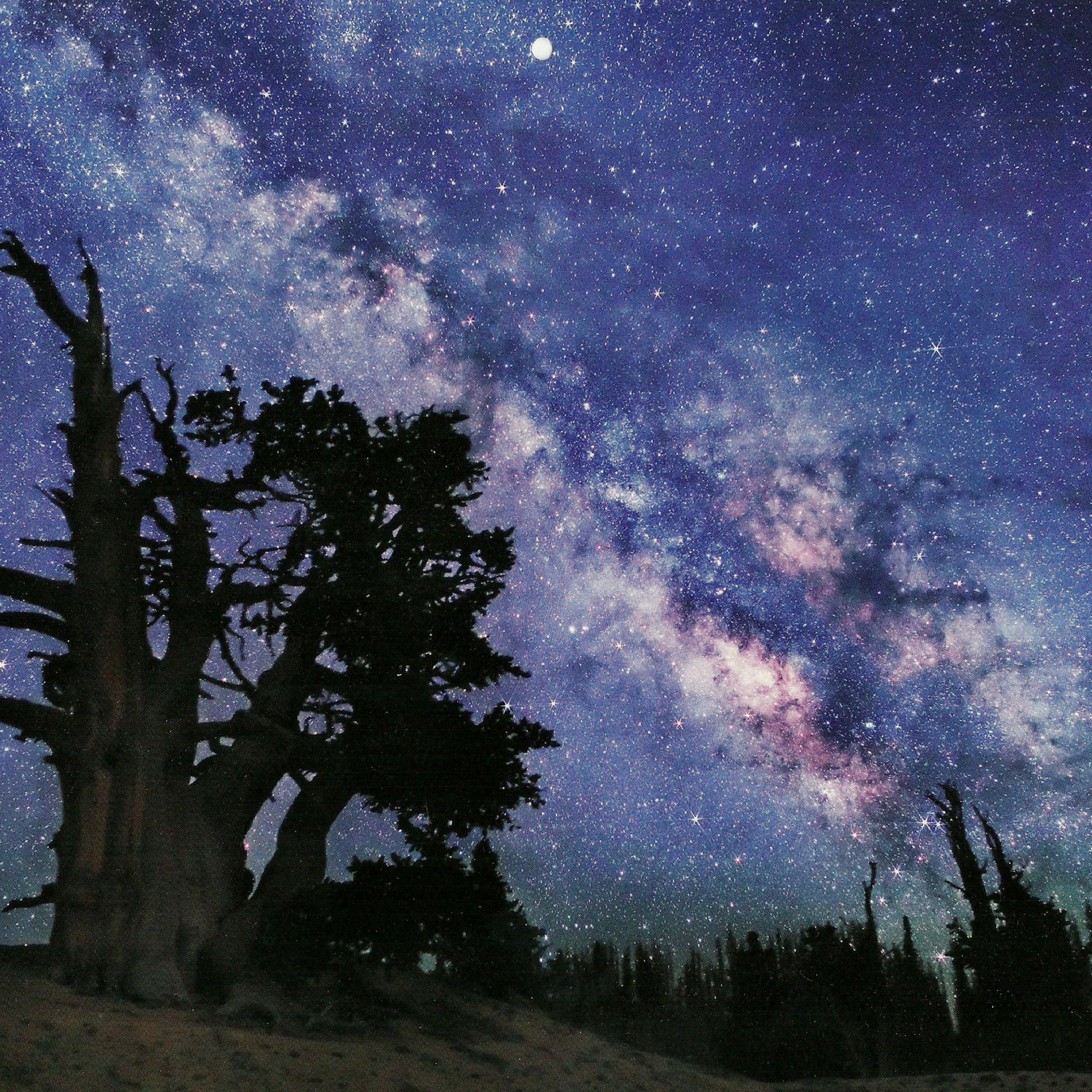
Soon after dark, look about halfway up the southern sky for a moderately bright star that doesn’t twinkle. This is the planet Saturn, and it...

The week of December 22 offers a perfect opportunity to follow the waxing crescent moon and the emergence of several impact basins. Support...

Soon after dark, look for a bright yellowish star in the northeast. Capella is the 6th brightest star in the sky and sometimes called The Go...

One of the best meteor showers of the year is already active and comes to a peak on the evening of December 13 and 14. Support this podcast:...

The holidays are one of the most popular times of year for buying a telescope. So, what's the best one to look for? Support this podcast: ht...

Look low to the east after dark and you should see a cluster of stars known as the Pleiades, or The Seven Sisters. Support this podcast: htt...

Cool, dry, autumn air and a moonless night mean it’s the best time of the year to look for the Great Andromeda Galaxy. Support this podcast:...

Look high in the northeast for a group of bright stars that resembles a big “W” sitting on its end. This is the constellation of Cassiopeia...

At the beginning of the week of October 27, the moon displays a crescent shape low in the southwest after sunset. But each night, the moon w...

The media buzz is growing about what could be a bright comet gracing our skies this month. It’s called Comet Lemmon, for the observatory in...

Each year in late October, our planet crosses the orbit of Halley’s Comet, sweeping up millions of little bits of ice and dust to create the...

After the Full Hunter's Moon of October 7, the sunlit portion of the Moon will begin to shrink. This is because the Moon rises about thirty...

Friday, Oct. 3 is when the Delta College Planetarium in Bay City will celebrate this year’s International Observe the Moon Night.

This year, the September equinox arrives on the 22nd which marks the first day of fall for the northern hemisphere. For everyone north of th...

The Summer Triangle is a useful guidepost to many constellations. A popular little pattern among stargazers is Delphinus the Dolphin.

Away from city lights and bright moonlight, this is the time of year to see the faint band of the Milky Way stretching right over the top of...
All this week, the phase of the moon grows larger and brighter as it advances from first quarter toward full. This is a good time to see the...

By now you may have heard the buzz about an object entering our solar system from interstellar space. The newly discovered object 3I/ATLAS –...

From late August through September, Sagittarius the Archer will appear low in the south at evening twilight as a "teapot" shape of stars.

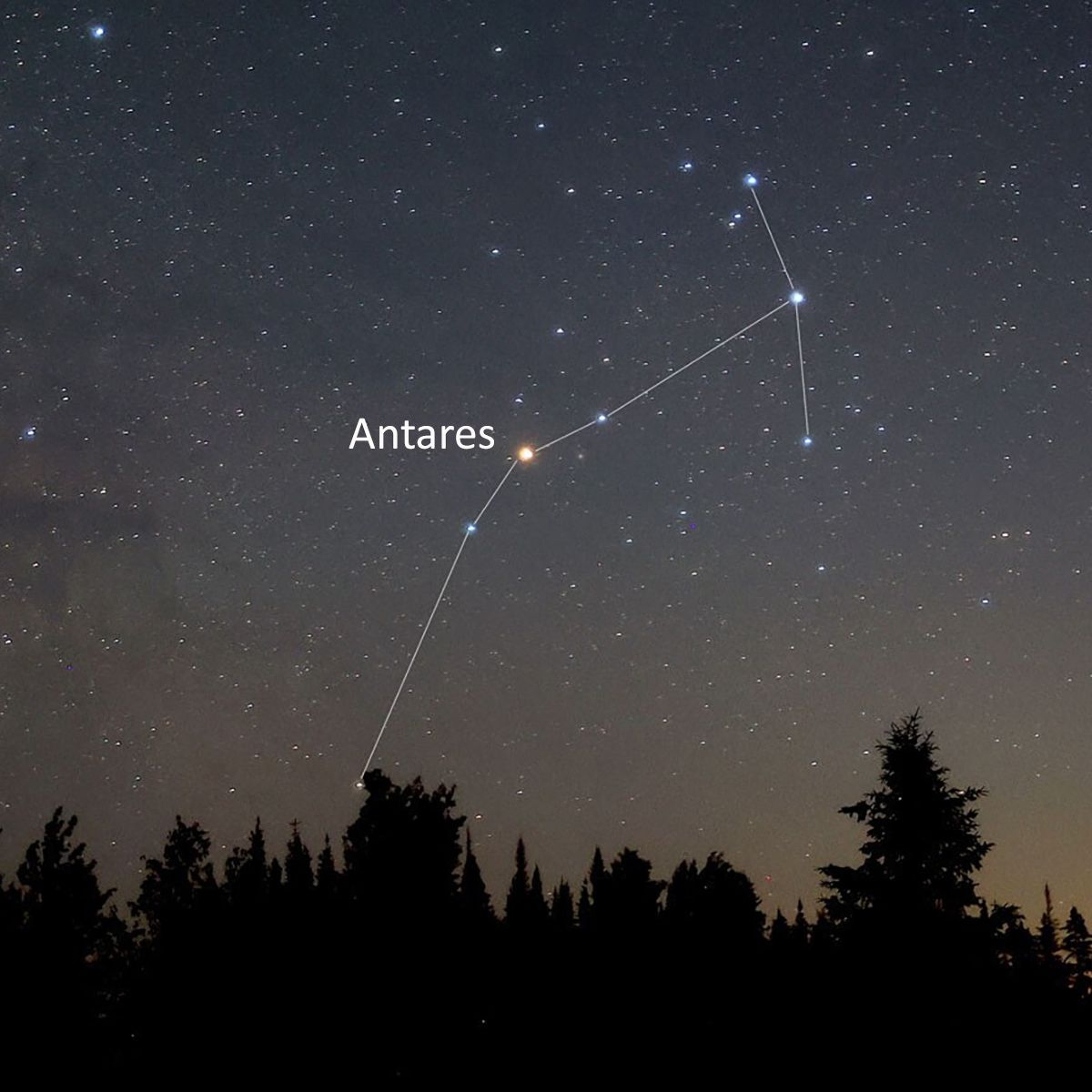
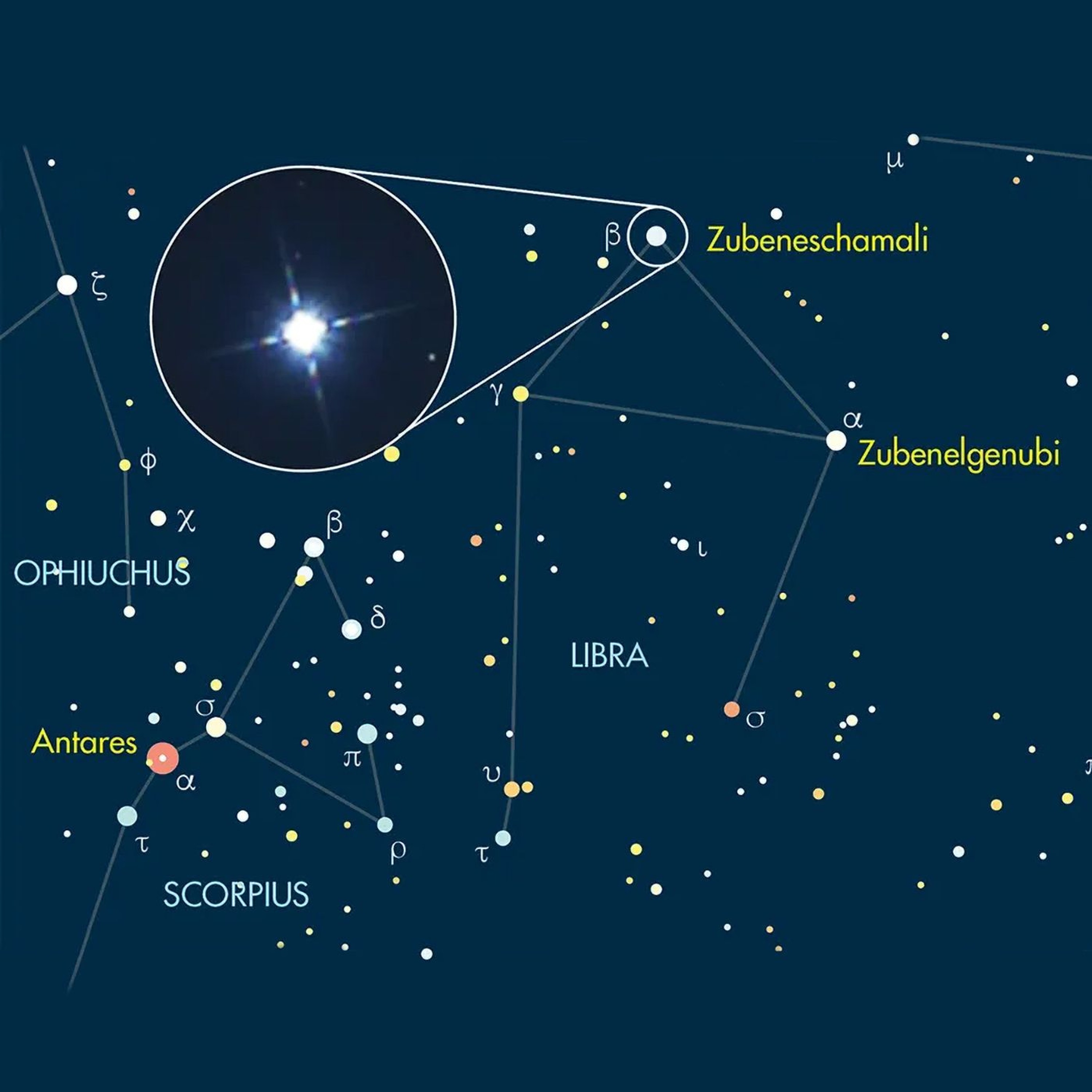
From late July to late August, the zodiacal constellation of Scorpius the Scorpion scrapes the southern horizon at the end of dusk.

About 90 minutes before sunrise, look low in the east-northeast for two brilliant stars above the horizon. But they're not stars at all. The...

This week is a good time to watch the dark round plains called “maria” become lit with sunlight in the eastern section of the moon.

Of all the things that move among the stars, earth orbiting satellites can be quite common to see. During the few hours after sunset or befo...

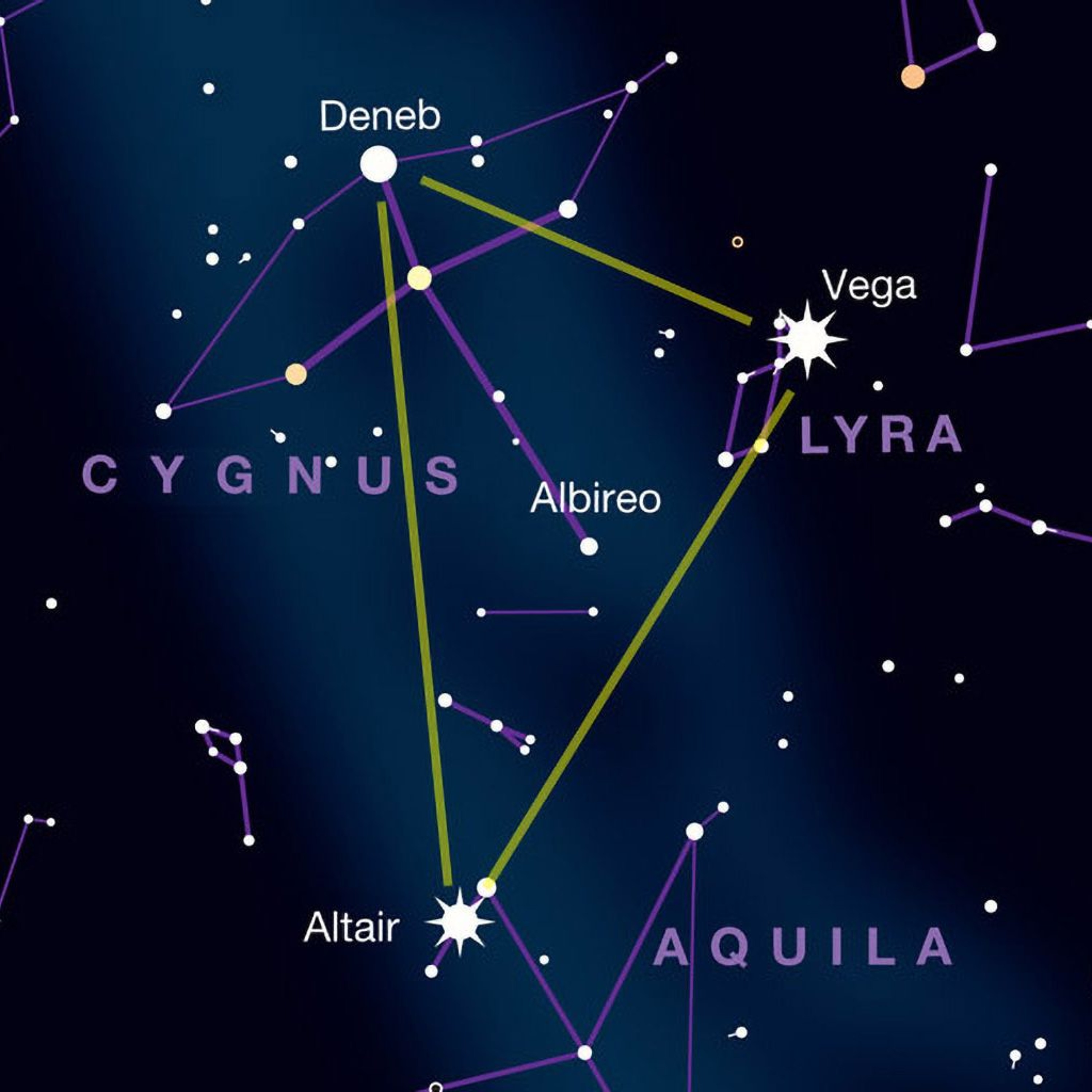
The northernmost star in the Summer Triangle is Deneb, which marks the tail of Cygnus the Swan.

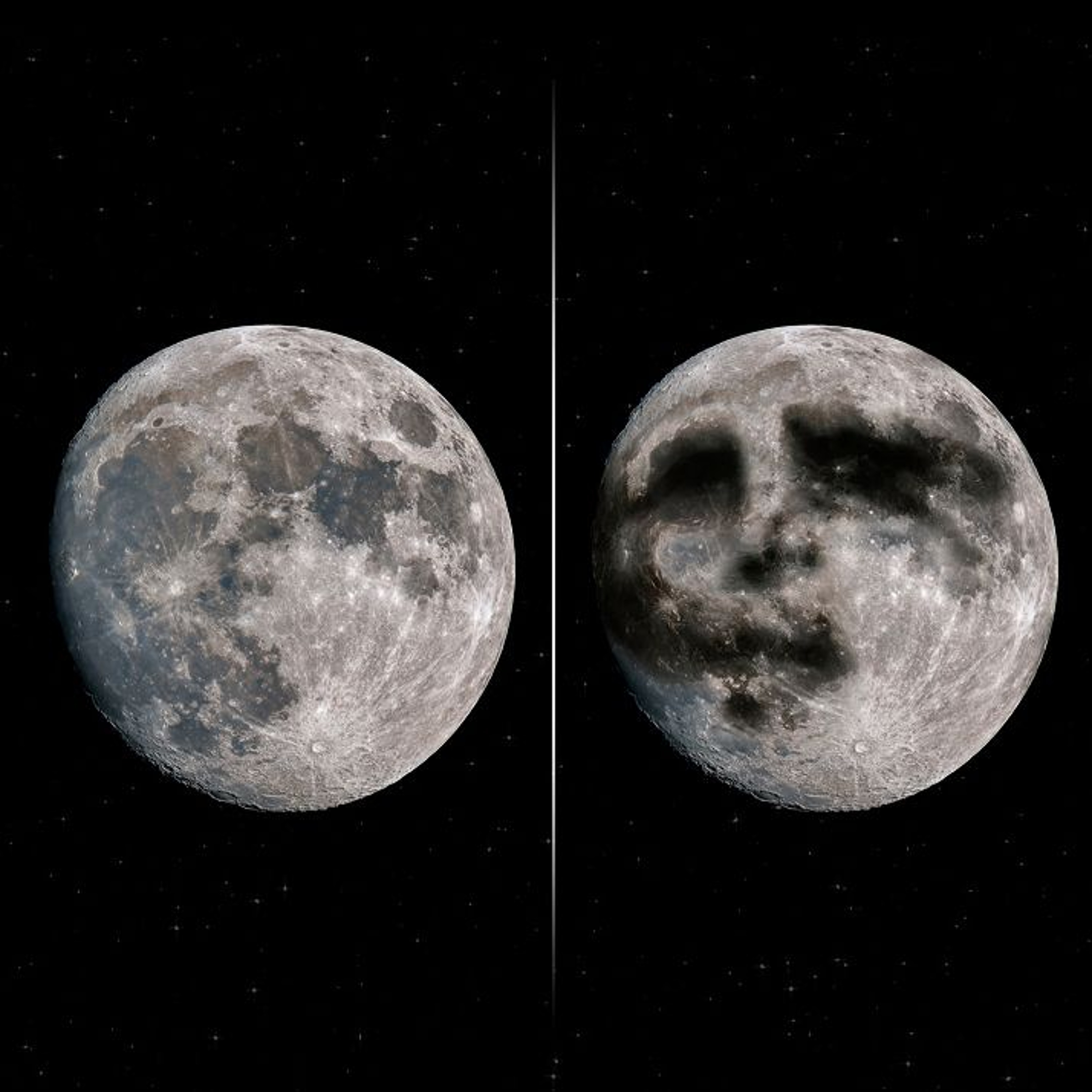
Why do people see faces in the Moon? And what actually causes these lunar features?

About 90 minutes before sunrise, look low in the east for the brightest point in the pre-dawn sky. It’s the planet Venus, and there’s a feas...

There’s a whole spectrum of star colors glittering up there, from cool red stars to middle-range yellow stars to hot blue-white stars.

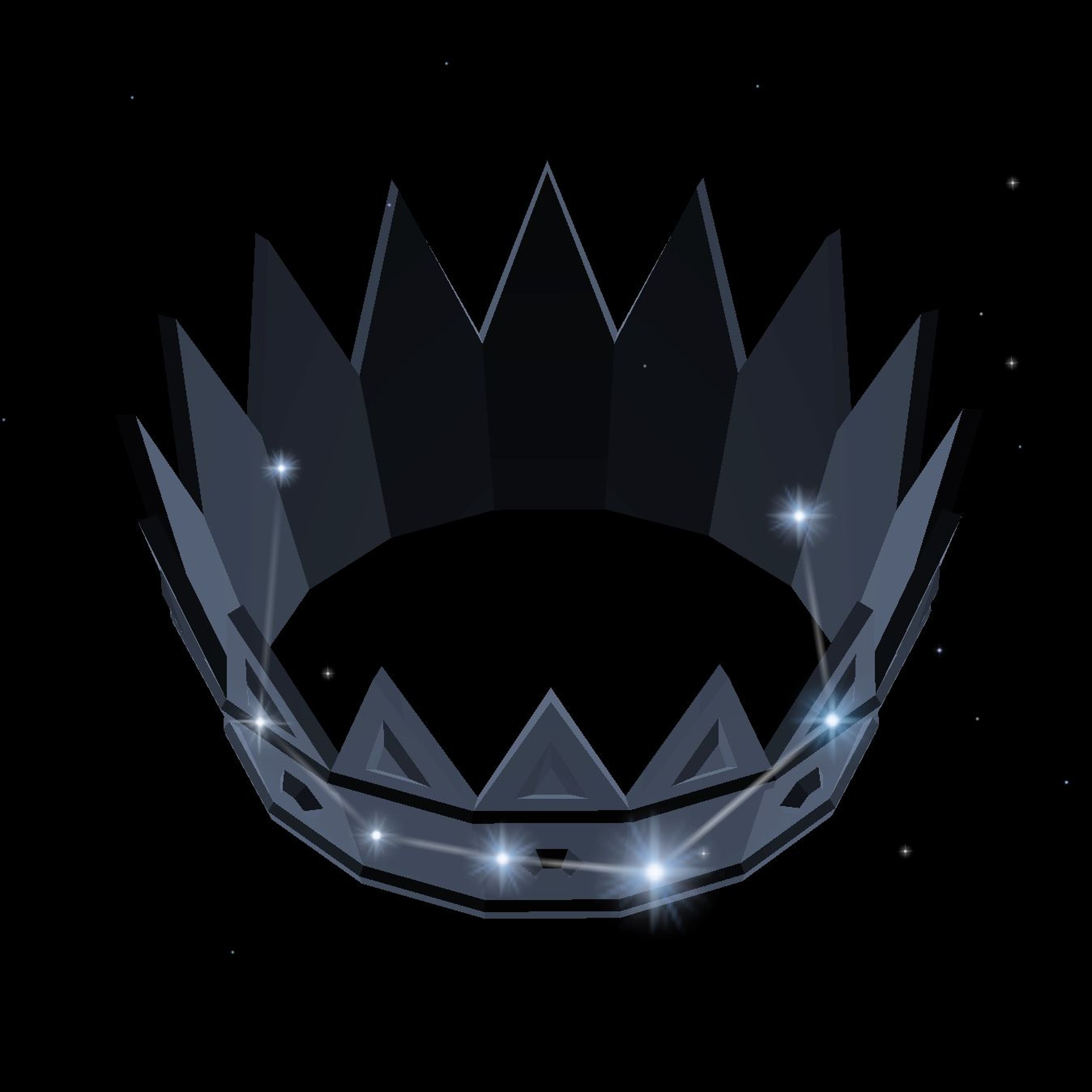
During the month of June, about 90 minutes after sunset, look high in the east, almost overhead for a faint semi-circular pattern of stars....

The June full moon or "Strawberry Moon" marks the lowest path the full moon takes across the sky during the year.

Since one side of the moon always faces the earth, it's often assumed that means the moon doesn't rotate. But that's not really the case.

If you follow the arc to Arcturus and keep the curve going even farther down into the south, you’ll come to the faint bluish star, Spica.

Now that we’re past full moon, the early evening sky remains dark for longer periods as the moon rises later each night. This reveals a real...

In spring, many stargazers use the zodiacal constellation of Leo the Lion as a signpost to the sky.