#61 A realistic researcher’s take on Open Science services
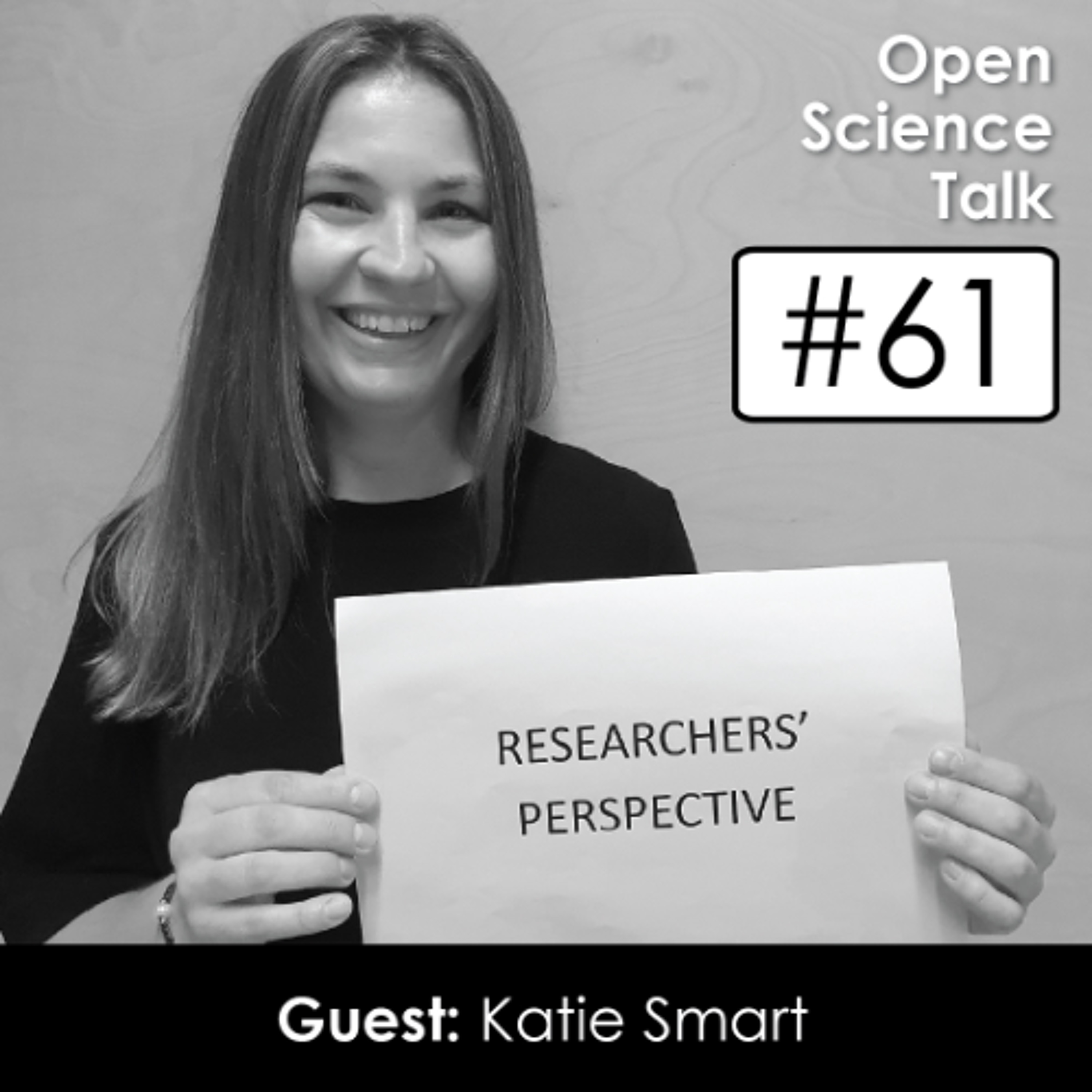
Katie Smart served as a research librarian at UiT The Arctic University of Norway from 2022 to 2025. A geologist with research experience fr...

Radio and PodcastLive Radio & PodcastsOpening Radio and Podcast...

Radio and PodcastLive Radio & PodcastsFetching podcast shows and categories...
Radio and PodcastLive Radio & PodcastsFetching podcast episodes...

This podcast is produced by the University Library at UIT - The Arctic University, Norway.

Katie Smart served as a research librarian at UiT The Arctic University of Norway from 2022 to 2025. A geologist with research experience fr...
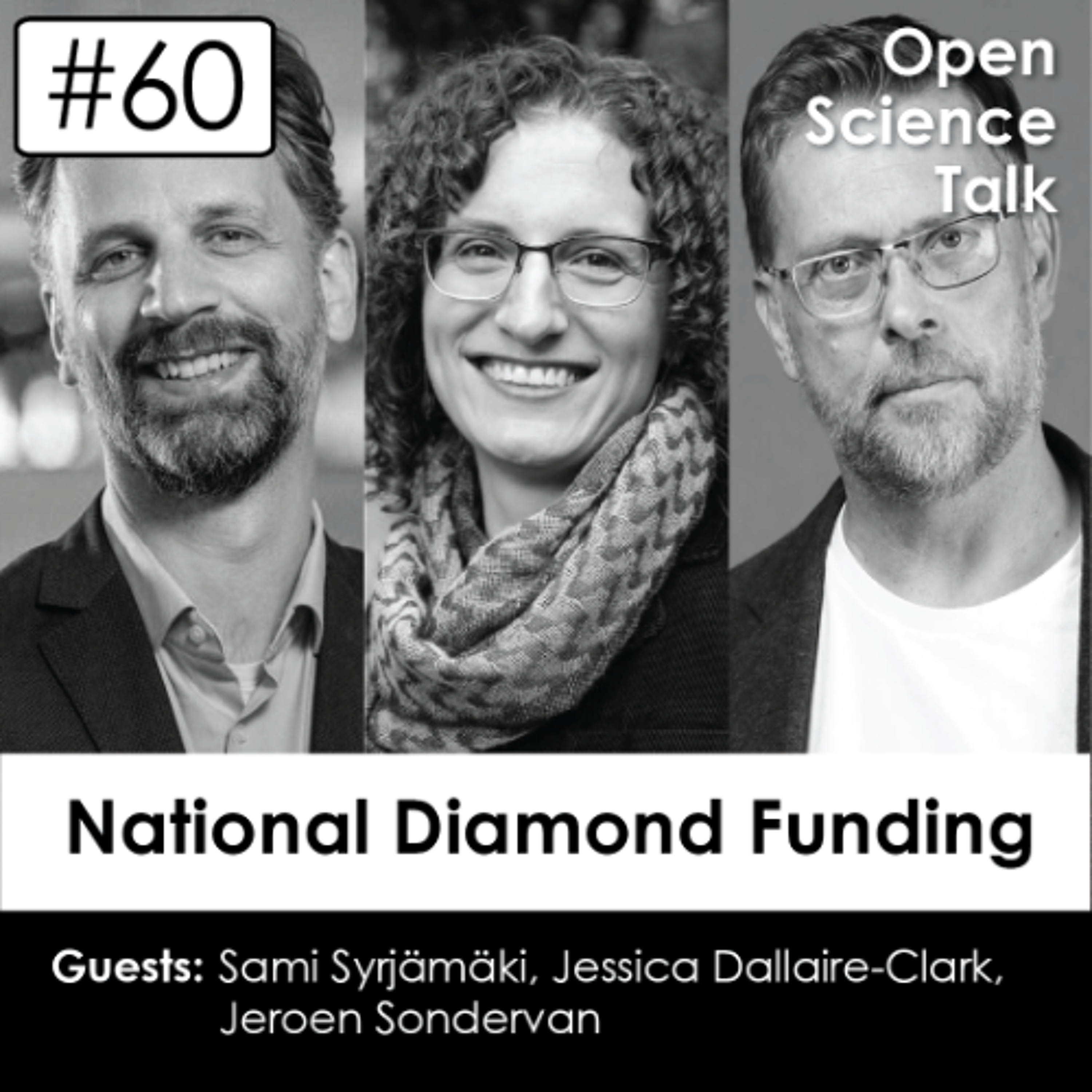
How can Diamond Open Access be funded? The Finnish Federation of Learned Societies (TSV) hosts a platform with more than 150 learned society...
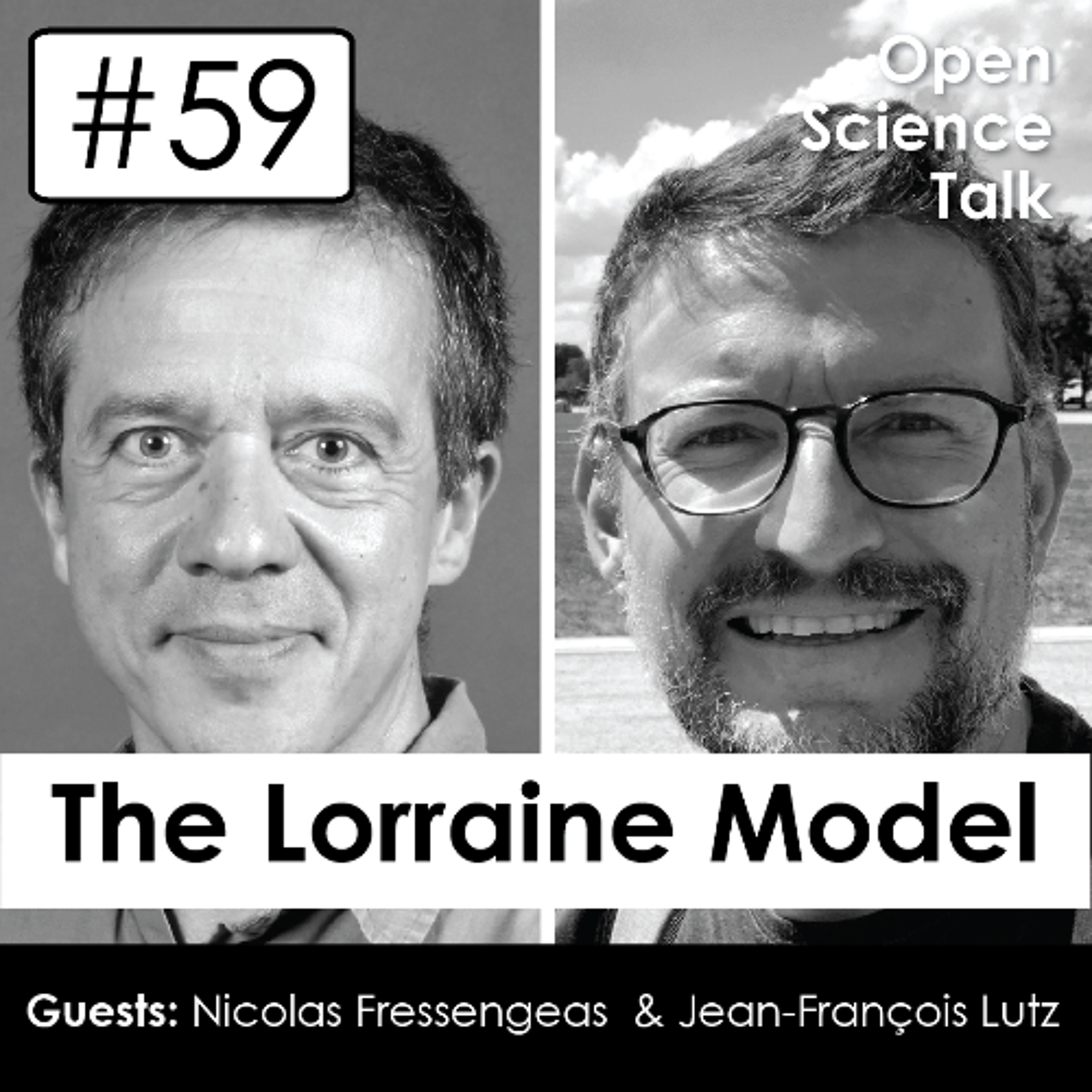
In 2017, the University of Lorraine cancelled its subscription to Springer and in 2023, it cancelled its deal with Wiley. The money saved ha...
The Tromsø Repository of Language and Linguistics (TROLLing) published its first dataset on June 13, 2014. Since then, the repository has gr...
The German initiative KOALA (in English, Building Consortial Open Access Solutions) is a bottom-up initiative that negotiates funding for Di...
The non-profit initiative IOI (Invest in Open Infrastructure) works to increase the investment in, and adoption of, open infrastructure. Thi...
This episode discusses Diamond Open Access publishing services provided by institutions, occasioned by a recent landscape report on Institut...
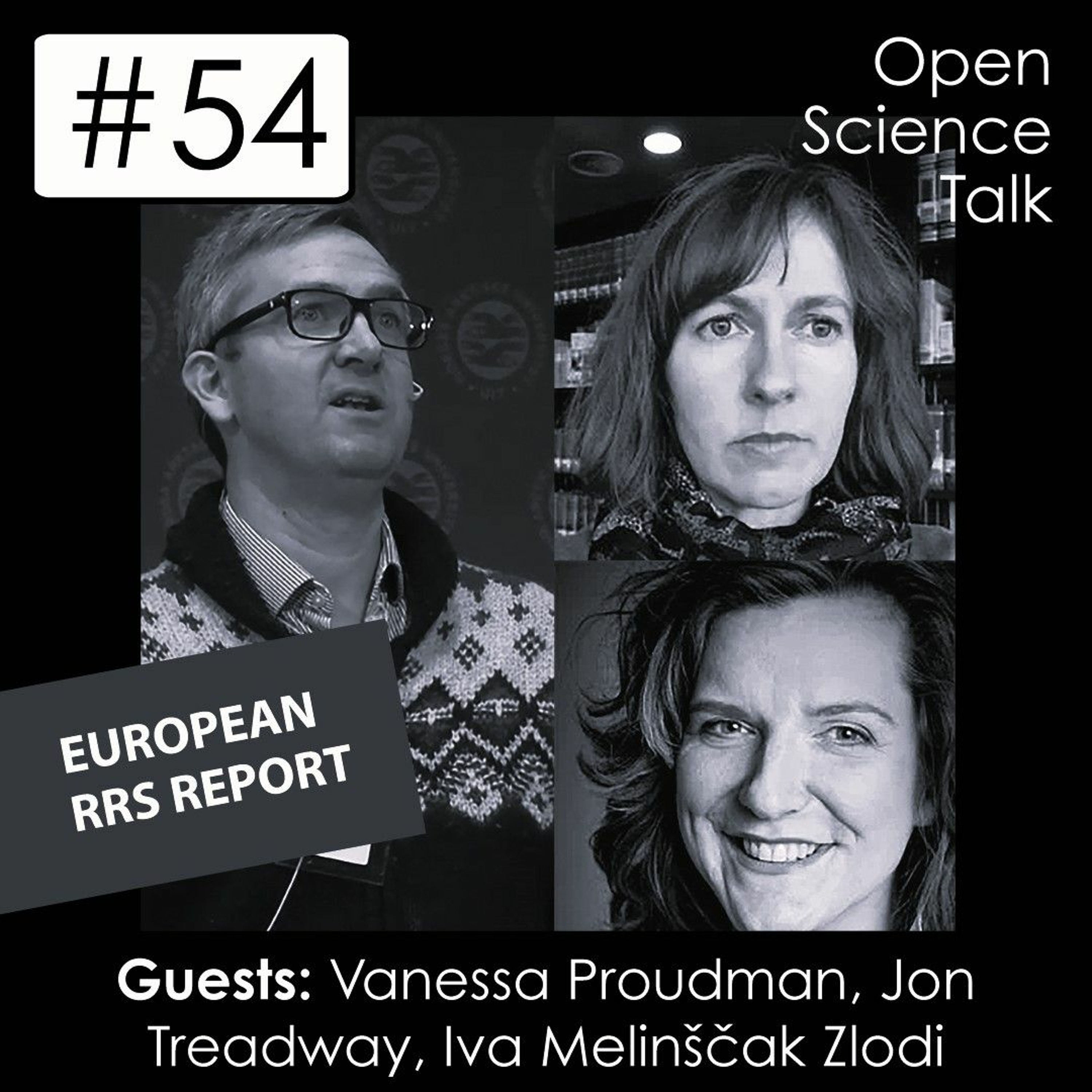
A discussion on SPARC Europe's report "Opening Knowledge: Retaining Rights and Open Licensing in Europe" (Zenodo, 28 June 2023). Three of th...
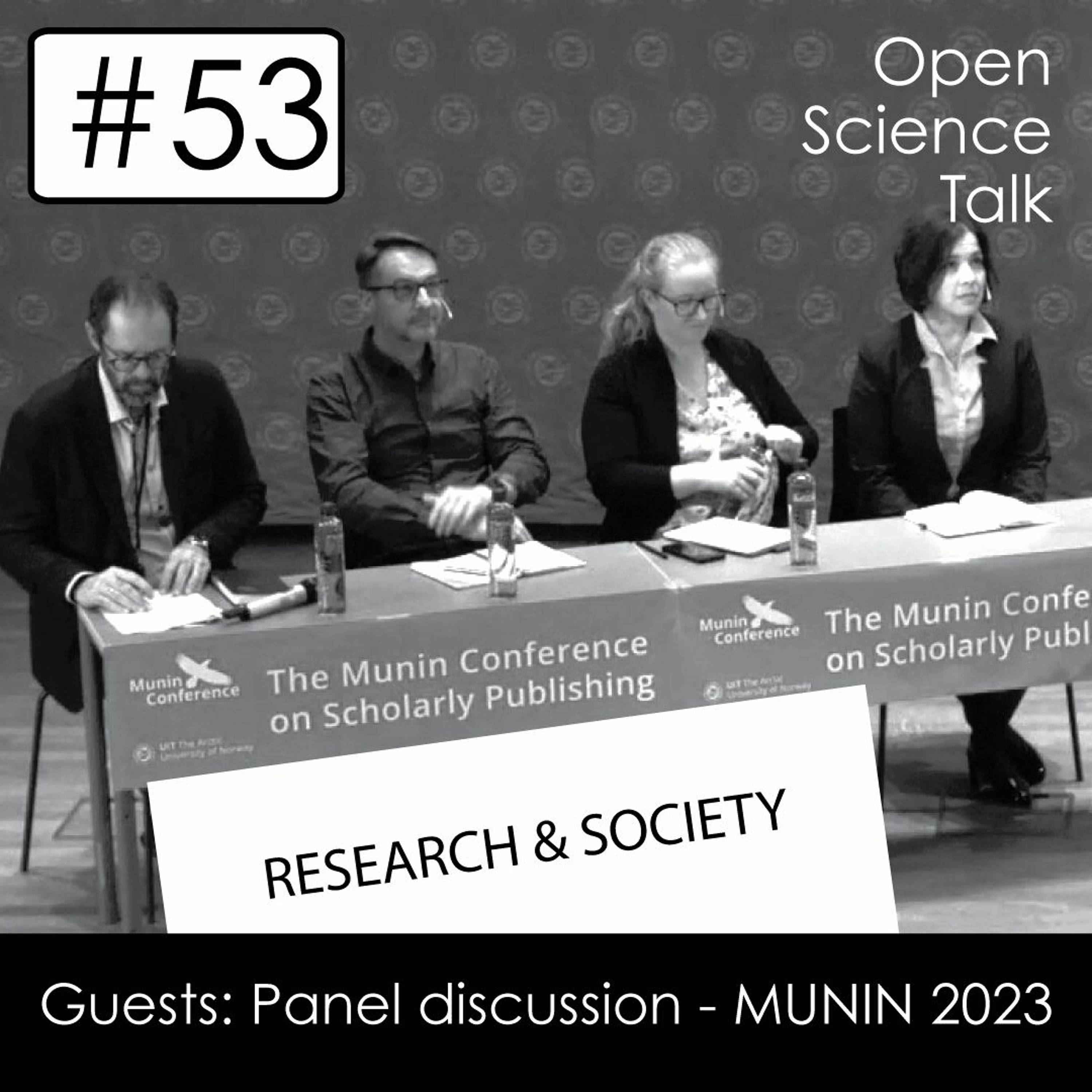
Podcast version of the closing panel discussion at The 18th Munin Conference on Scholarly Publishing (Tromsø, Norway, 8–10 November 2023). T...
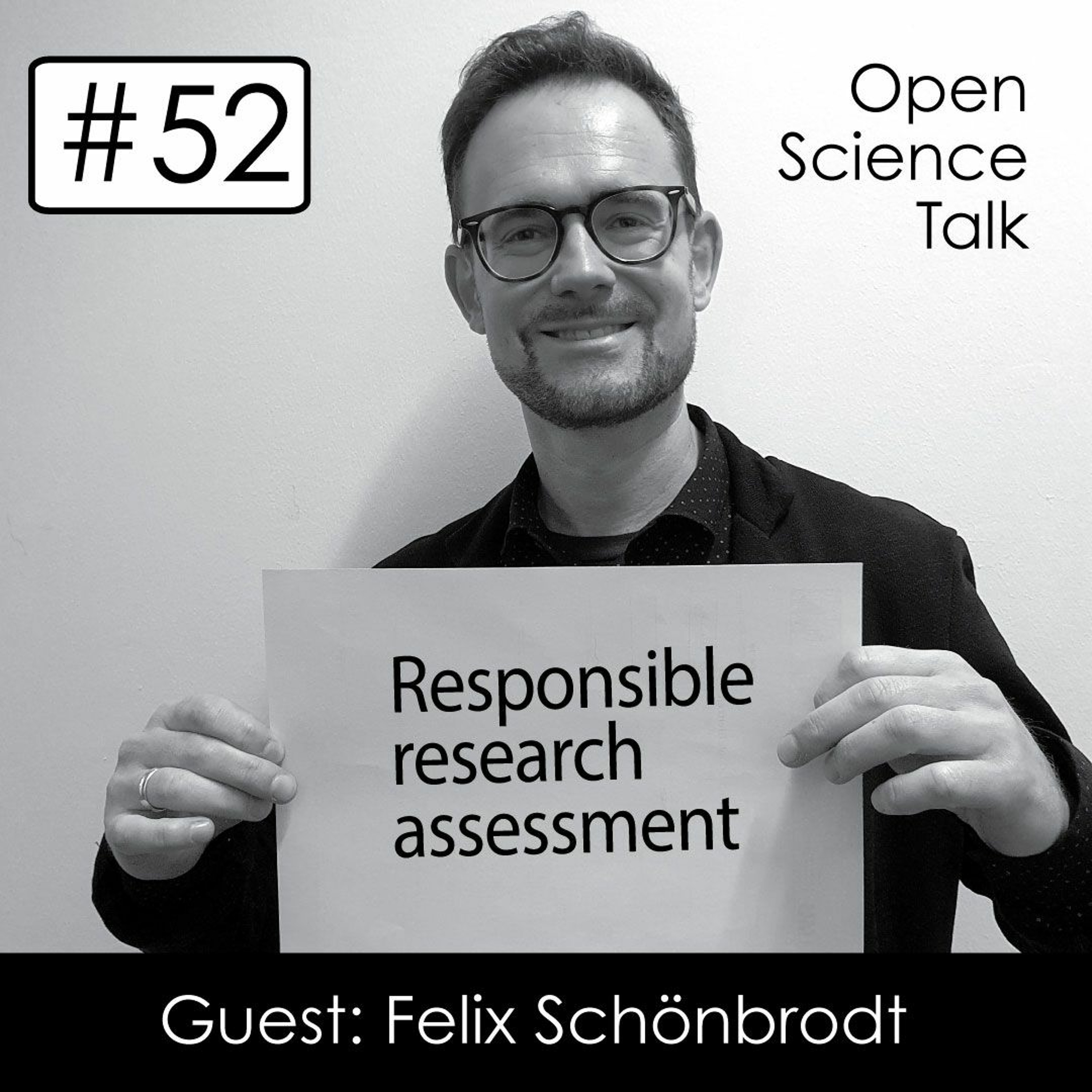
Felix Schönbrodt speaks about his work within the German Psychological Society, where he is part of a committee that has developed a set of...
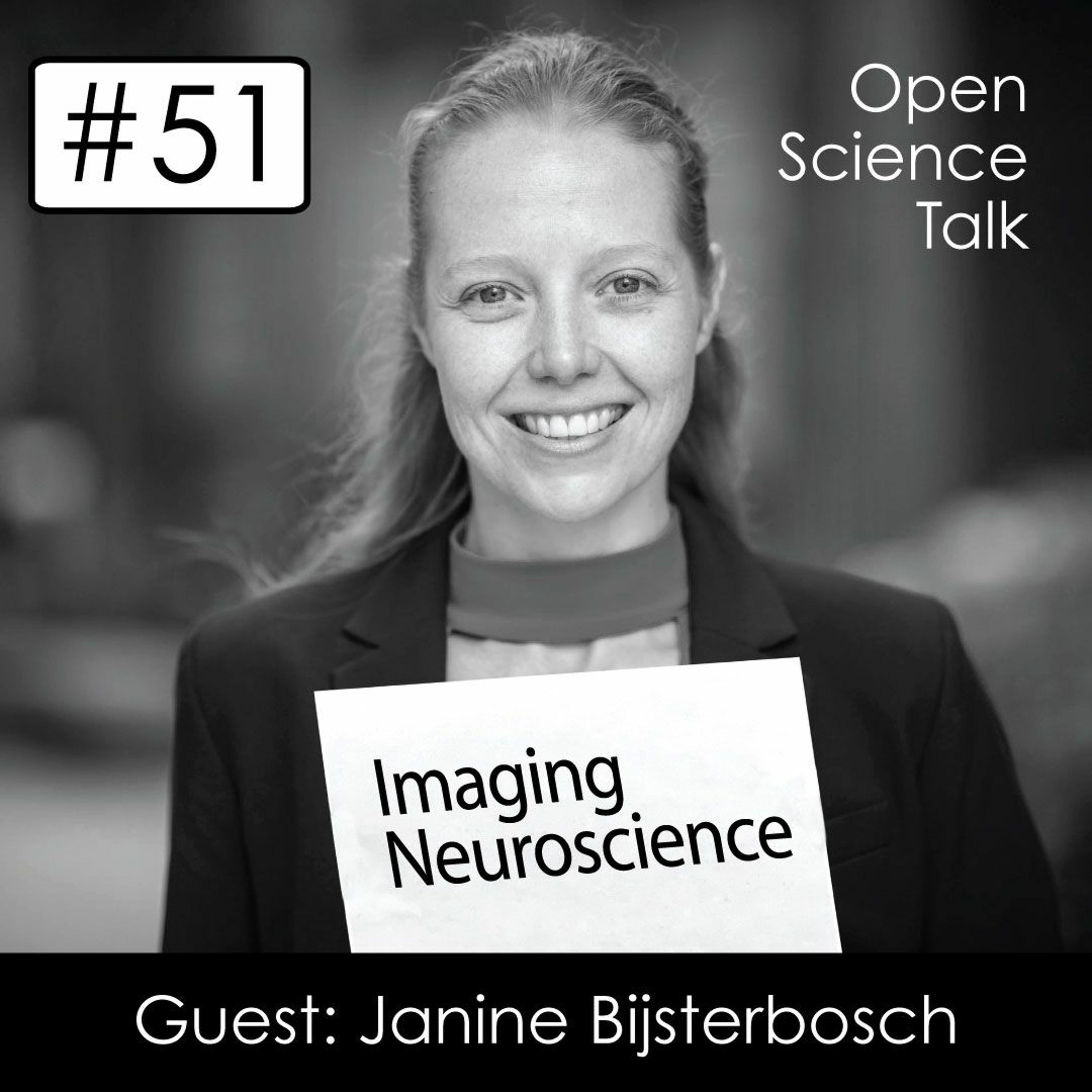
Janine Bijsterbosch, member of the editorial team of Imaging Neuroscience, informs about their recent break with publishing giant Elsevier....
Stephanie Veldman and Arjan van Dijk of Brill Publishing reveal the economic mechanisms and strategic thinking behind their work in open acc...
An online interview with Ashley Farley, program officer of Knowledge and Research Services at the Bill & Melinda Gates Foundation. As of 202...
An introduction to the project DIAMAS, aimed at investigating and supporting “diamond” open access publishing models, i.e. free for the read...
The Directory of Open Access Journals (DOAJ) was founded in 2003. It currently lists more than 18,000 peer-reviewed, strictly open access jo...
OPERAS, the European research infrastructure dedicated to open scholarly communication in the social sciences and humanities, has more than...
Jadranka Stojanovski discusses the evolution of library support for open science from a Croatian perspective. Since the 1990s, she has been...
A discussion about the origins and growth of various French infrastructures for open research, especially in the Social Sciences and Humanit...
As the first UK institution, Edinburgh University adopted a Rights Retention Policy on 1st January 2022. As a result, all research articles...
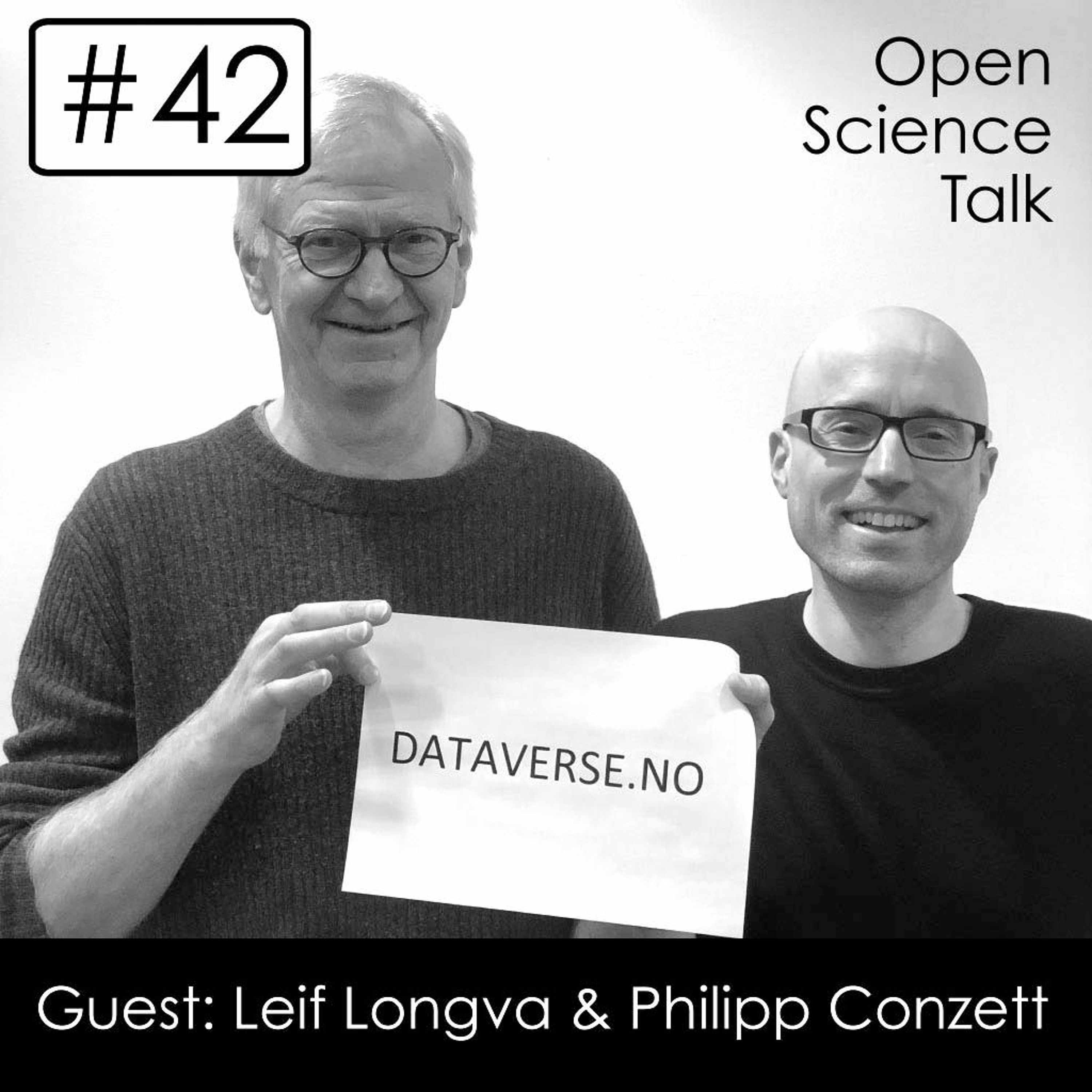
The service for open research datasets Dataverse.no was established in 2017. Five years later, it holds some 1,300 datasets created by resea...

On 1 September 2022, professor of linguistics and director of cOAlition S Johan Rooryck was created a doctor honoris causa at UiT The Arctic...

In this episode, Camilla Brekke, prorector for research and development at UiT The Arctic University of Norway, informs about the institutio...

The National Library of Sweden recently launched a platform for Swedish Open Access journals, known as Publicera (publicera.kb.se). So far,...

In this episode, Kim Huijpen from the Association of Universities in the Netherlands (VSNU) tells about the programme following the publicat...

A discussion on the new service Open Polar: The Global Open Access Portal for Research Data and Publications on the Arctic and Antarctic (ht...

This interview was recorded in July 2020 for DocEnhance (docenhance.eu), an EU-funded project that aims to broaden the expertise of PhDs by...

Eirik Samuelsen, senior meteorologist at the Norwegian Meteorological Institute (Met) and UiT The Arctic University of Norway, discusses the...

Mariann Løkse, head of Library Services, and Øystein Lund, head of the Resource Center for Teaching, Learning and Techology at UiT The Arcti...

In this episode, we are discussing SMARTool (Strategic Mastery of Russian Tool), a free-to-use online resource for learners of the Russian l...

In this episode, we are exploring a student's perspective on open science – and specifically replication studies. Kristoffer Klevjer recentl...

In this episode, we are discussing how to teach open science to PhD students. Helene N. Andreassen, head of Library Teaching and Learning Su...

In this episode, we are talking about what it is like to live without the larger journal deals. In 2018, Sweden announced that they terminat...

What is the historical relationship between publishing, money-making and scholarly mission? We explore the past with our guest Aileen Fyfe....

In this episode, we are talking about code and the benefits of making your code available in a peer review process and having it checked. Ou...

Our guest today is Lucy Barnes, Editor and Project Coordinator at Open Book Publishers. She talks about what it is to be a small not-for-pro...

In this episode, we talk about Music Research, and how it is to practice open research within this field. Our guest is Alexander Jensenius,...

Is it fair that researchers and policymakers in low-income countries have to pay to read new research on diseases they treat? Today's guest...

There are other ways of doing Open Access than the model in Europe and North-America. So what can we learn from colleagues in Latin America?...

Sweden has made a new deal with the publisher Elsevier. The previous agreement with Elsevier was terminated in 2018, as the Bibsam Consortiu...

In this episode, we talk to Samir Hachani, Ph.D. & lecturer at the School of Library Science at the University of Algiers, about the injusti...

In this episode, we talk about Wikipedia. Is this something that researchers should engage themselves in? What is the greater good? How do y...

Can you combine the history of early modern witchcraft studies with open science? Sure! In this episode of Open Science Talk, historian Rune...

How can you inform Ph.D. Candidates and early career researchers about Open Science without becoming too political? Is information given abo...

Why is it important to preregister research studies? How do you do it, and what kind of bad science do you avoid when you do this within an...

In 2019 Norway decided not to renew their deal with the Dutch publisher Elsevier. The reasons were clear: there was no real transition towar...

In this episode, we talk about the reproducibility crisis and how one can use Open Science as an environment for creating proper replication...

Norway does not have a deal with the publisher Elsevier anymore and follows in Sweden and Germany's footsteps. But why didn't Norway renew t...

How can your research impact others outside academia and how do you measure it? In this episode, we discuss the topic of Research Impact – a...

In this episode, we talk about the history of scholarly publishing and relates it to today's Open Science debate. Historian, philologist and...

In this episode, we talk to one of the big ones - the global publishing company Wiley. Wiley is a company with over 5000 employees that spec...