Radio and PodcastRadio and PodcastLive Radio & Podcasts
Rare Dual-Mutation GIST Responds to Targeted Therapy, Challenging Established Tumor Biology artwork
Science & Medicine

Rare Dual-Mutation GIST Responds to Targeted Therapy, Challenging Established Tumor Biology

Oncotarget by Oncotarget Podcast

May 6, 202600:04:07Science & Medicine

BUFFALO, NY – May 6, 2026 – A new was in Volume 17 of Oncotarget on May 4, 2026, titled “Small bowel GIST harboring concurrent KIT exon 9 duplication and SDHC mutation: A case report.” The study was led by first author C...

About This Episode

Rare Dual-Mutation GIST Responds to Targeted Therapy, Challenging Established Tumor Biology is an episode from Oncotarget by Oncotarget Podcast. BUFFALO, NY – May 6, 2026 – A new was in Volume 17 of Oncotarget on May 4, 2026, titled “Small...

Podcast

This episode belongs to Oncotarget.

Listen Online

Use the player on this page to stream the episode online.

Episode Details

Published May 6, 2026, 00:04:07 long, audio available.

Questions About This Episode

What is Rare Dual-Mutation GIST Responds to Targeted Therapy, Challenging Established Tumor Biology about?

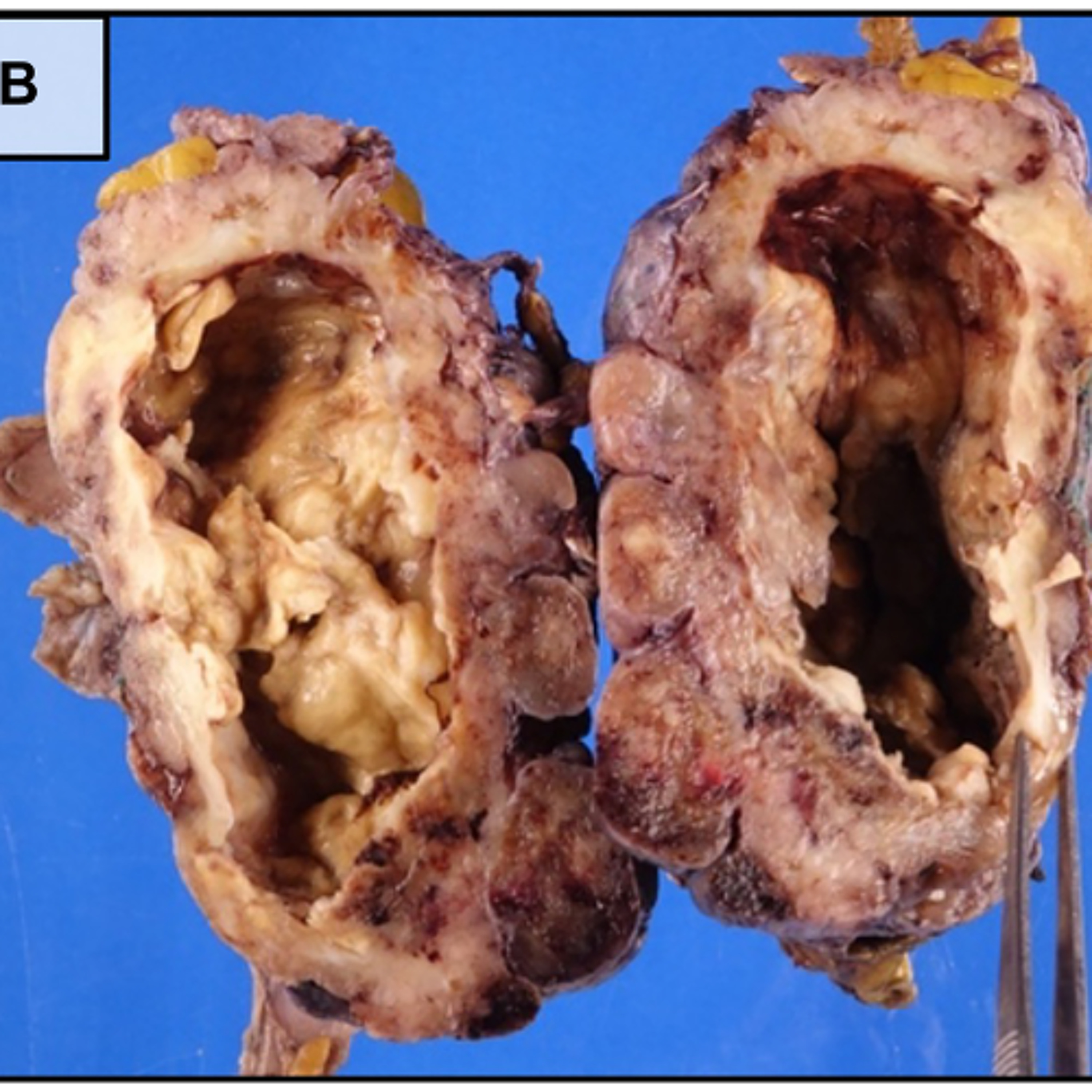
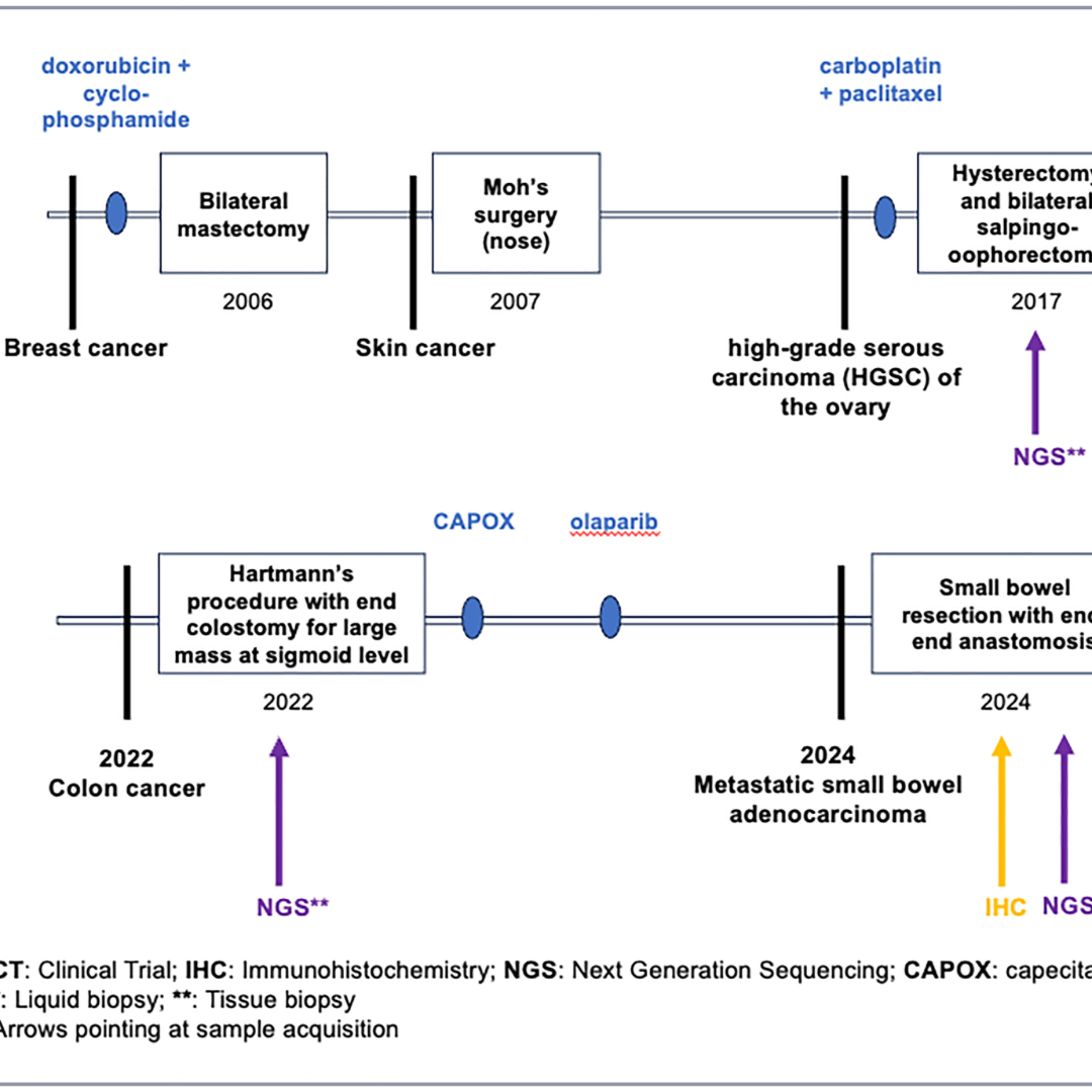
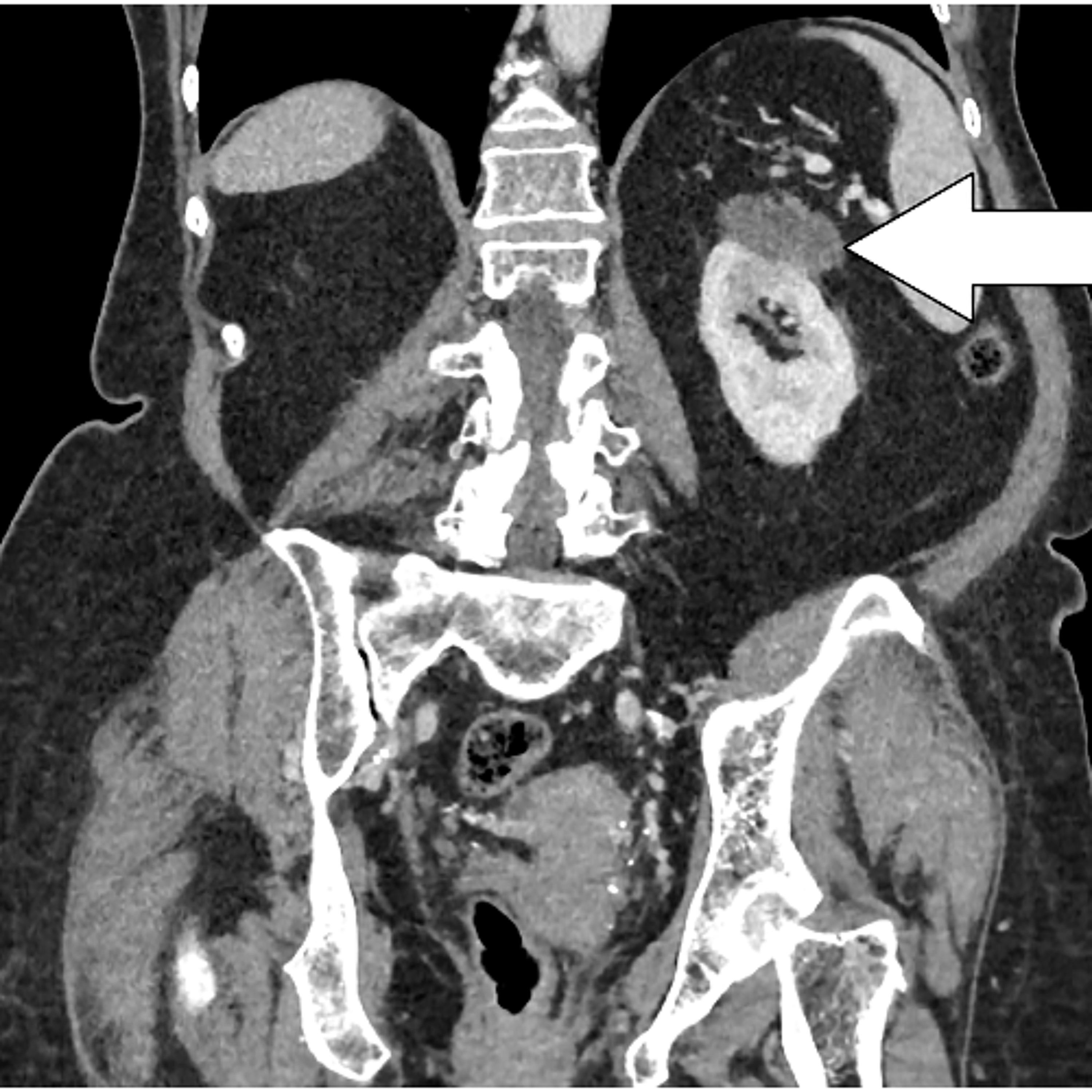
BUFFALO, NY – May 6, 2026 – A new was in Volume 17 of Oncotarget on May 4, 2026, titled “Small bowel GIST harboring concurrent KIT exon 9 duplication and SDHC mutation: A case report.” The study was led by first author Cameron B. Speyer from the UCLA David Geffen School of Medicine, and corresponding author Joseph G. Crompton, who holds appointments at both the UCLA David Geffen School of Medicine and the Jonsson Comprehensive Cancer Center. In this report, the authors describe a rare and clinically informative case of a small bowel gastrointestinal stromal tumor (GIST) harboring two genetic alterations that are typically considered mutually exclusive. GISTs are most commonly driven by activating mutations in the KIT or PDGFRA genes, which confer sensitivity to targeted therapies such as imatinib. In contrast, tumors associated with succinate dehydrogenase (SDH) deficiency represent a distinct subgroup that is generally resistant to these treatments. The patient, a 68-year-old man, presented with progressive abdominal pain, bloating, and constipation. Imaging studies revealed a large heterogeneous mass in the lower abdomen measuring up to 18 cm. A biopsy confirmed a spindle cell neoplasm consistent with GIST, with immunohistochemical staining positive for CD117 and DOG1. Genomic analysis identified both a KIT exon 9 duplication (A502_Y503) and a germline SDHC mutation (p.R50C)—a highly unusual combination. Despite the presence of the SDHC mutation, which is typically associated with resistance to therapy, the patient demonstrated a strong response to high-dose imatinib. After six months of neoadjuvant treatment, imaging showed a marked reduction in tumor size and metabolic activity, enabling successful surgical resection. “This case suggests that oncogenic KIT signaling may remain the dominant driver of GIST behavior despite the presence of a germline SDHC mutation and highlights the importance of integrated molecular interpretation in GIST management.” Pathologic examination of the resected tumor revealed significant treatment response, including extensive necrosis and reduced tumor viability. Notably, immunohistochemistry demonstrated retained SDHB expression, indicating preserved SDH complex function despite the identified germline mutation. The case highlights an important clinical insight: not all detected genetic alterations contribute equally to tumor behavior. While SDH-deficient GISTs are typically resistant to imatinib, this tumor behaved in a manner consistent with KIT-driven disease, underscoring the importance of interpreting molecular findings within their clinical and pathological context. Overall, this report emphasizes the need for integrated molecular analysis in cancer diagnosis and treatment. As next-generation sequencing becomes more widely used, clinicians may encounter tumors with multiple coexisting mutations. Determining the dominant oncogenic driver is essential for selecting the most effective therapy and improving patient outcomes. DOI - Correspondence to - Joseph G. Crompton - jcrompton@mednet.ucla.edu Abstract video -

Where can I listen to Rare Dual-Mutation GIST Responds to Targeted Therapy, Challenging Established Tumor Biology?

You can listen to Rare Dual-Mutation GIST Responds to Targeted Therapy, Challenging Established Tumor Biology online on Radio and Podcast. Open the player on this page to stream the available audio.

Which podcast is Rare Dual-Mutation GIST Responds to Targeted Therapy, Challenging Established Tumor Biology from?

Rare Dual-Mutation GIST Responds to Targeted Therapy, Challenging Established Tumor Biology is an episode from Oncotarget by Oncotarget Podcast.

How long is this episode?

This episode is 00:04:07 long.

When was this episode published?

This episode was published on May 6, 2026.

Can I save Rare Dual-Mutation GIST Responds to Targeted Therapy, Challenging Established Tumor Biology for later?

Yes. Use the heart button on the episode page to add it to your favorite episodes list.

Are there related episodes from Oncotarget?

Yes. This page shows related episodes from Oncotarget when more episodes are available from the podcast feed.