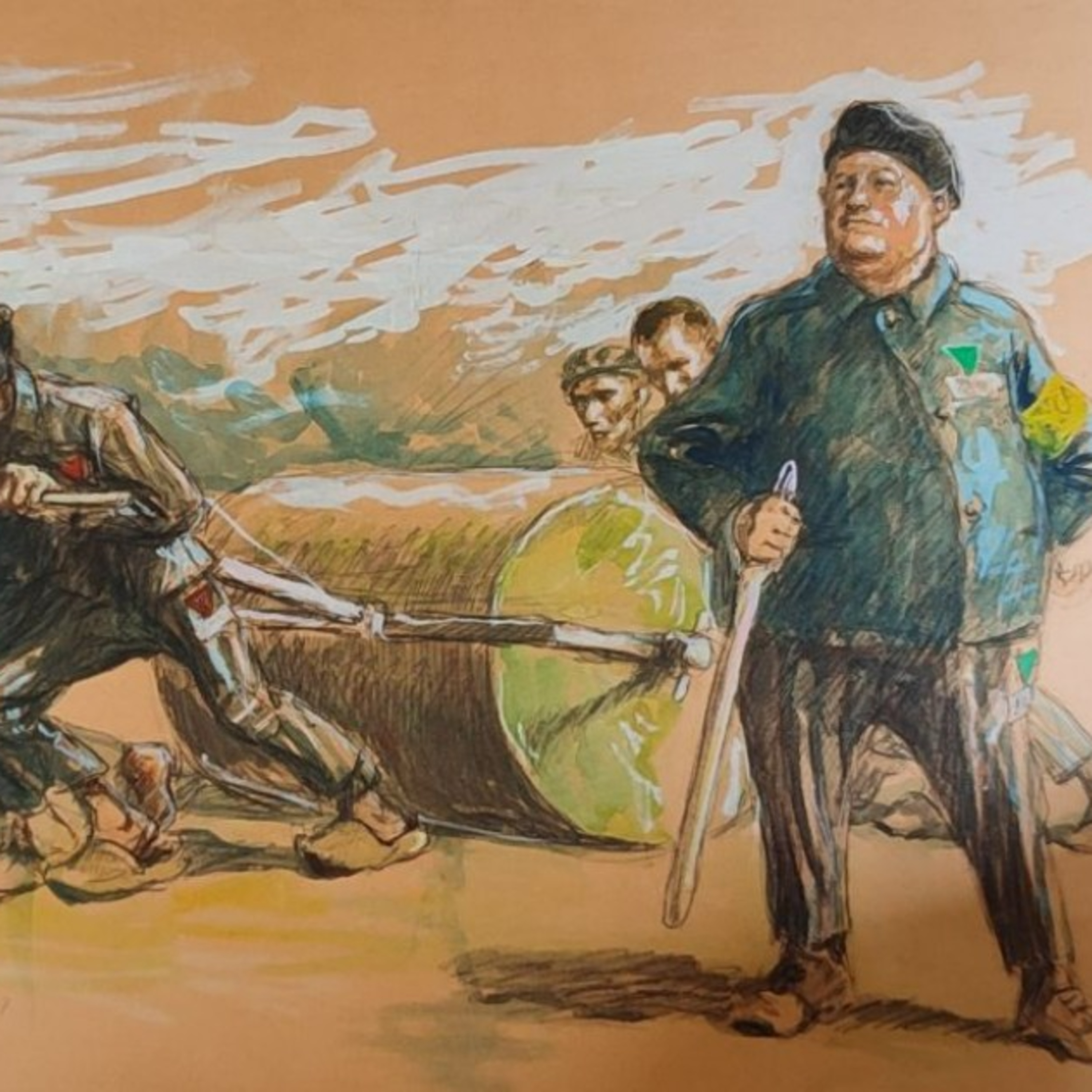
"On Auschwitz" (73): Auschwitz functionary prisoners. Selected postwar fates
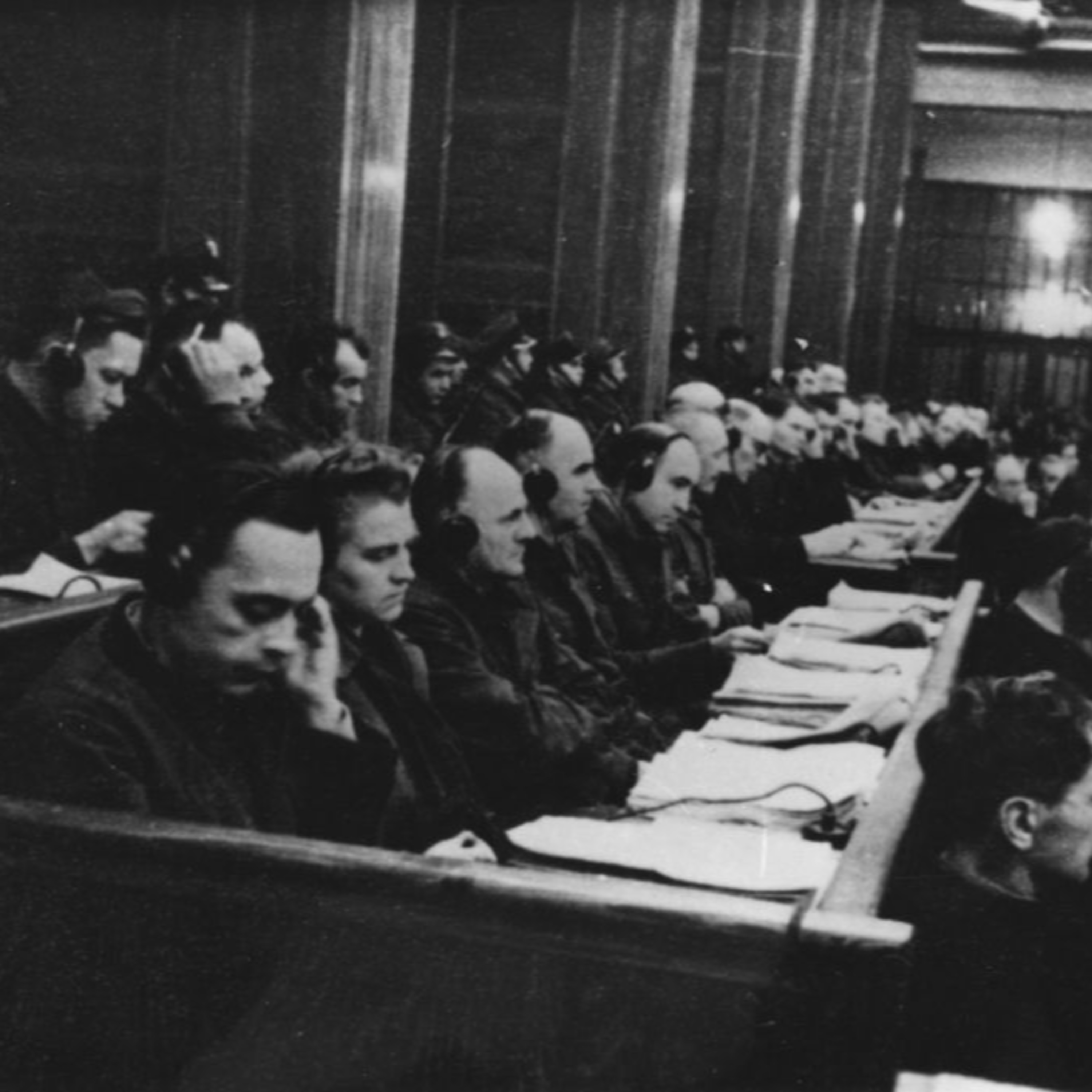
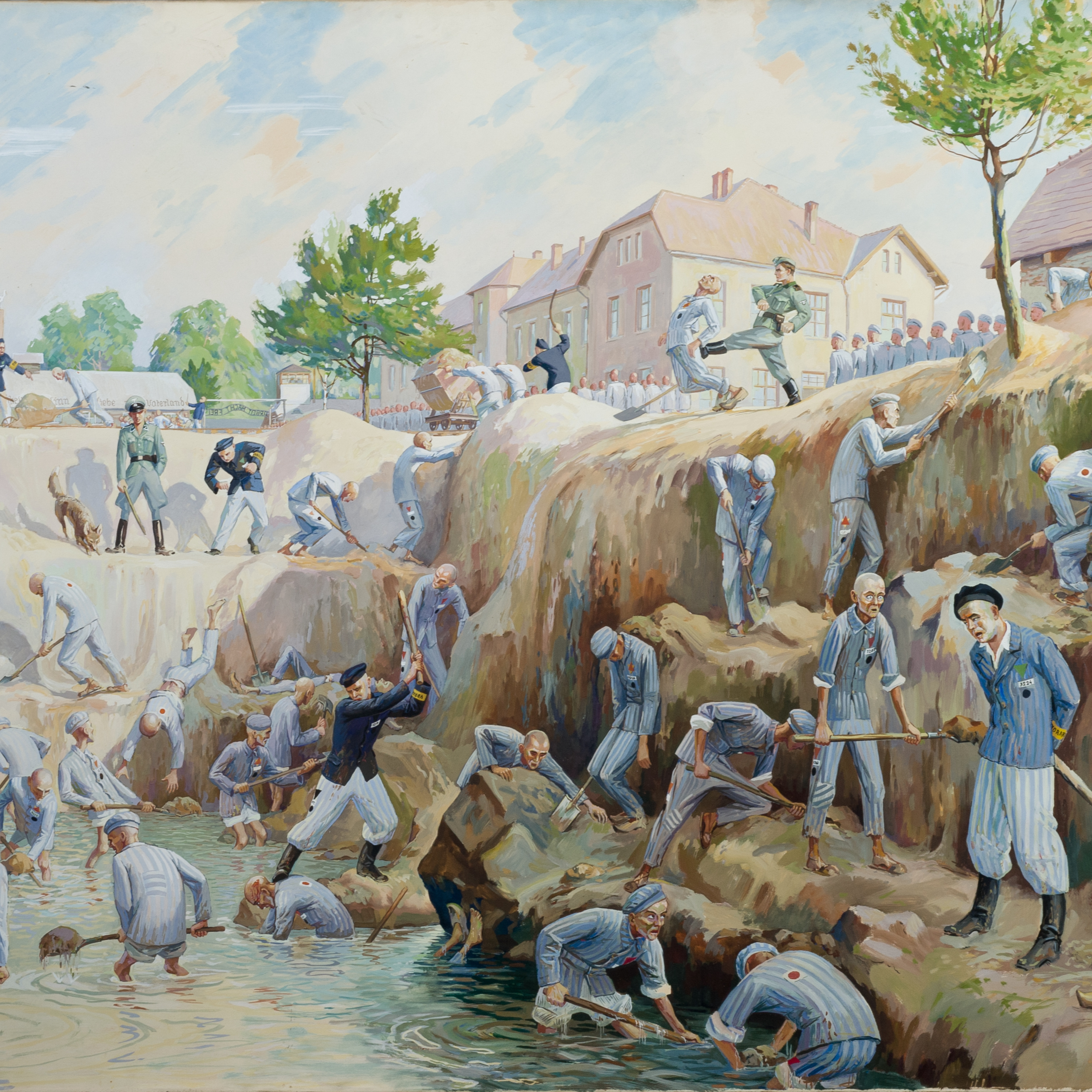
We discussed the group of functionary prisoners at Auschwitz in one of our previous podcasts. You can find it at: podcast.auschwitz.org. In...
Radio and PodcastLive Radio & Podcasts
The official podcast of the Auschwitz Memorial. The history of Auschwitz is exceptionally complex. It combined two functions: a concentration camp and an extermination center. Nazi Germany p...
Listen to On Auschwitz, a Society & Culture podcast by Auschwitz Memorial. Stream 78 episodes in English, follow new audio stories, and play episodes online on Radio and Podcast.
Browse this show under Society & Culture podcasts.
20 episodes are loaded now from a catalog of 78. More episodes can be opened from this page.
Explore Society & Culture podcasts, Finland podcasts and English podcasts.

We discussed the group of functionary prisoners at Auschwitz in one of our previous podcasts. You can find it at: podcast.auschwitz.org. In...

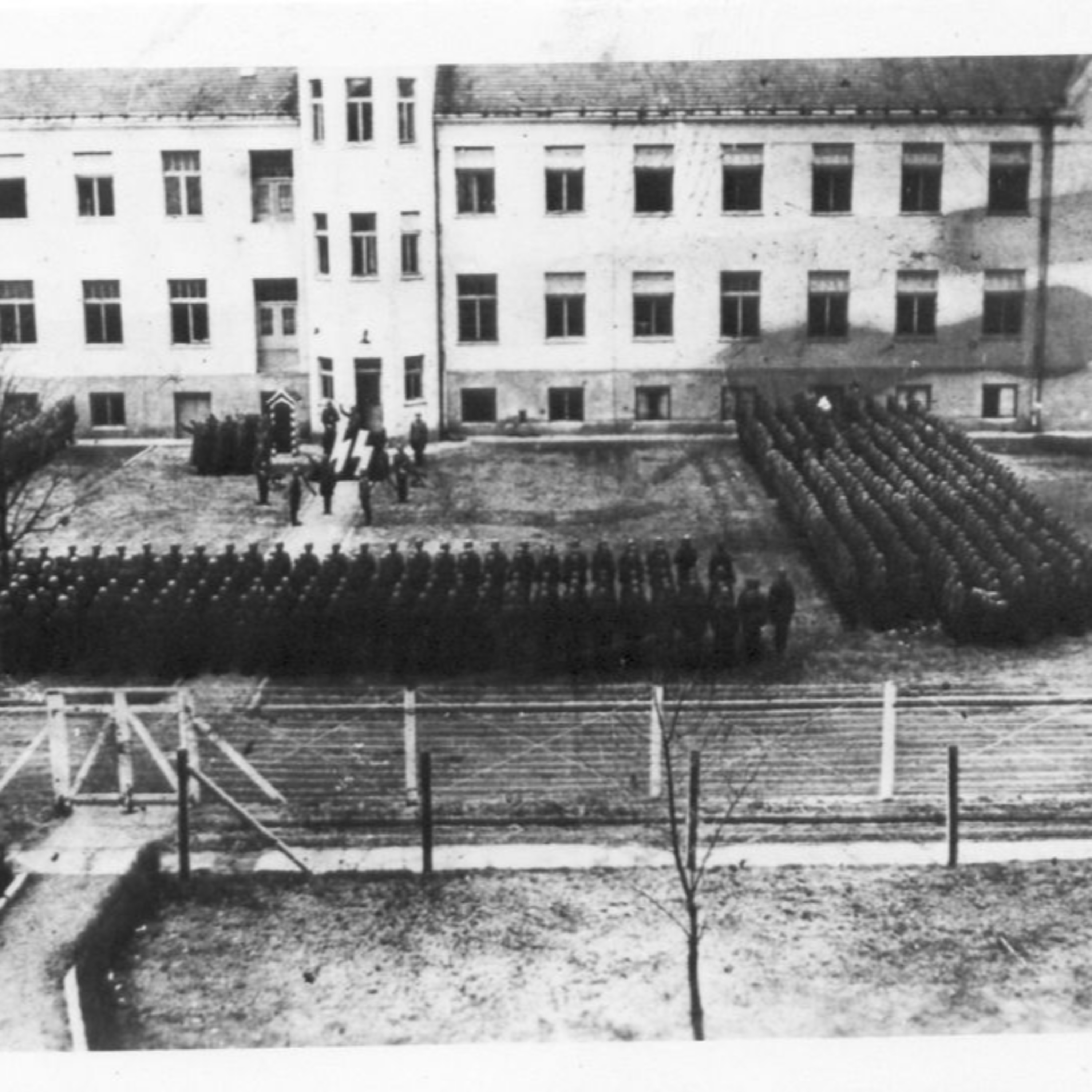
The Germans established the Auschwitz concentration camp in the spring of 1940 for man prisoners. The first women were deported to the camp...

Before the war, Oświęcim was a town inhabited mainly by Poles and Jews. During the Second World War it was annexed to Germany and the name o...

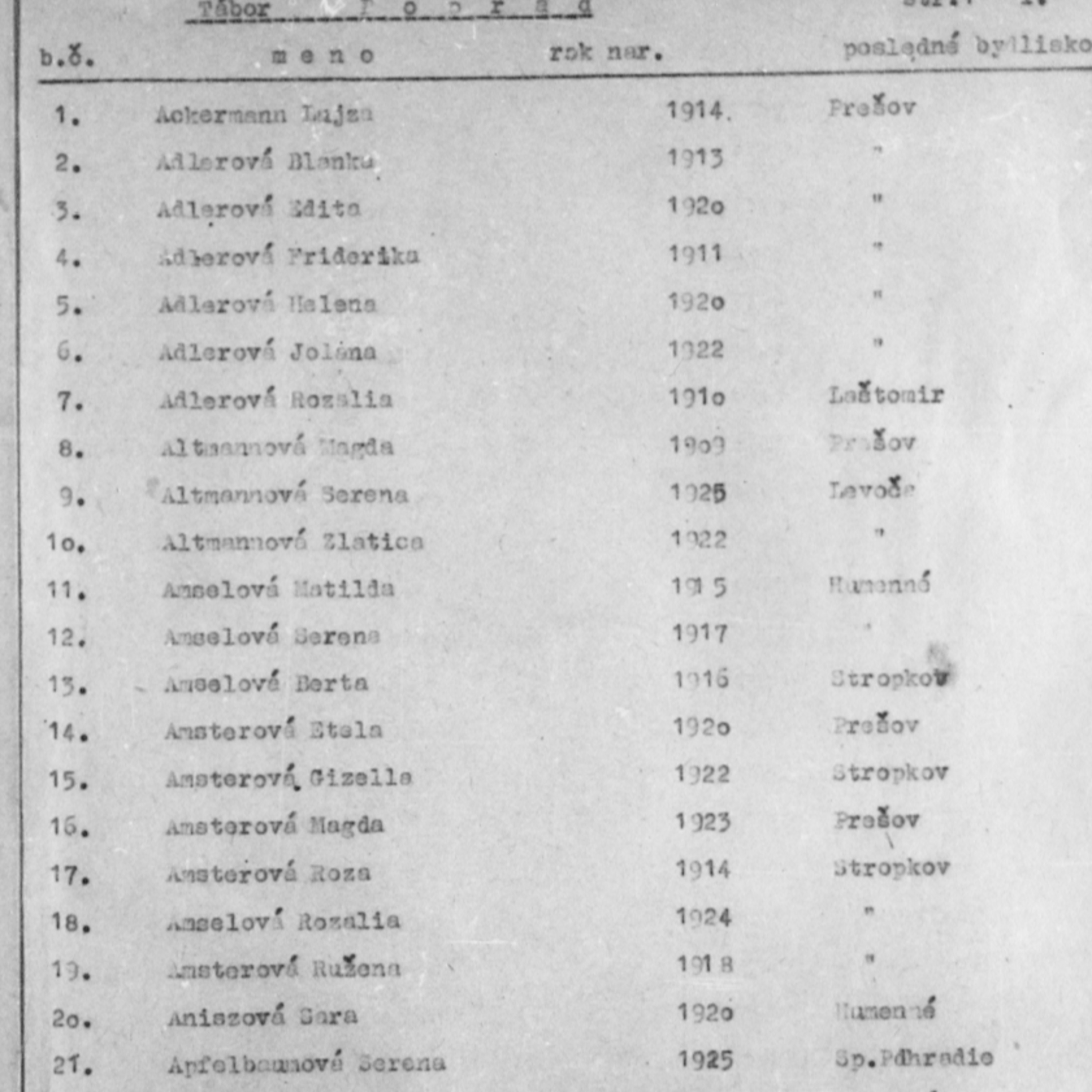
Among the many groups of people deported to the German camp Auschwitz, Slovakian Jews occupied a special place. They were brought to the cam...

How the demographic structure of the area around the camp changed and what contacts existed between the SS camp garrison members and the loc...

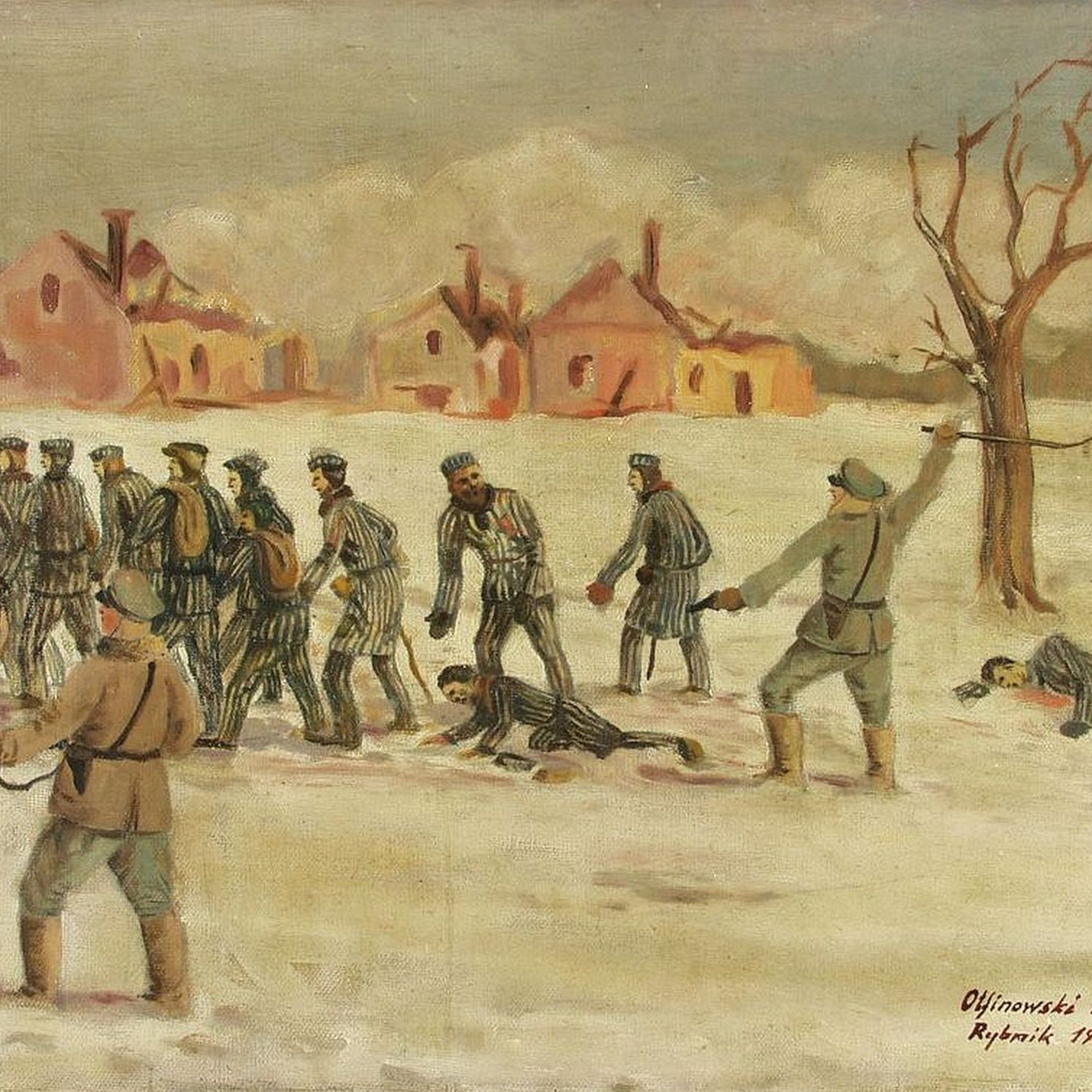
On 17 January 1945, the SS began evacuating the Auschwitz camp. Around 56,000 men and women, prisoners under the escort of armed SS men, mar...

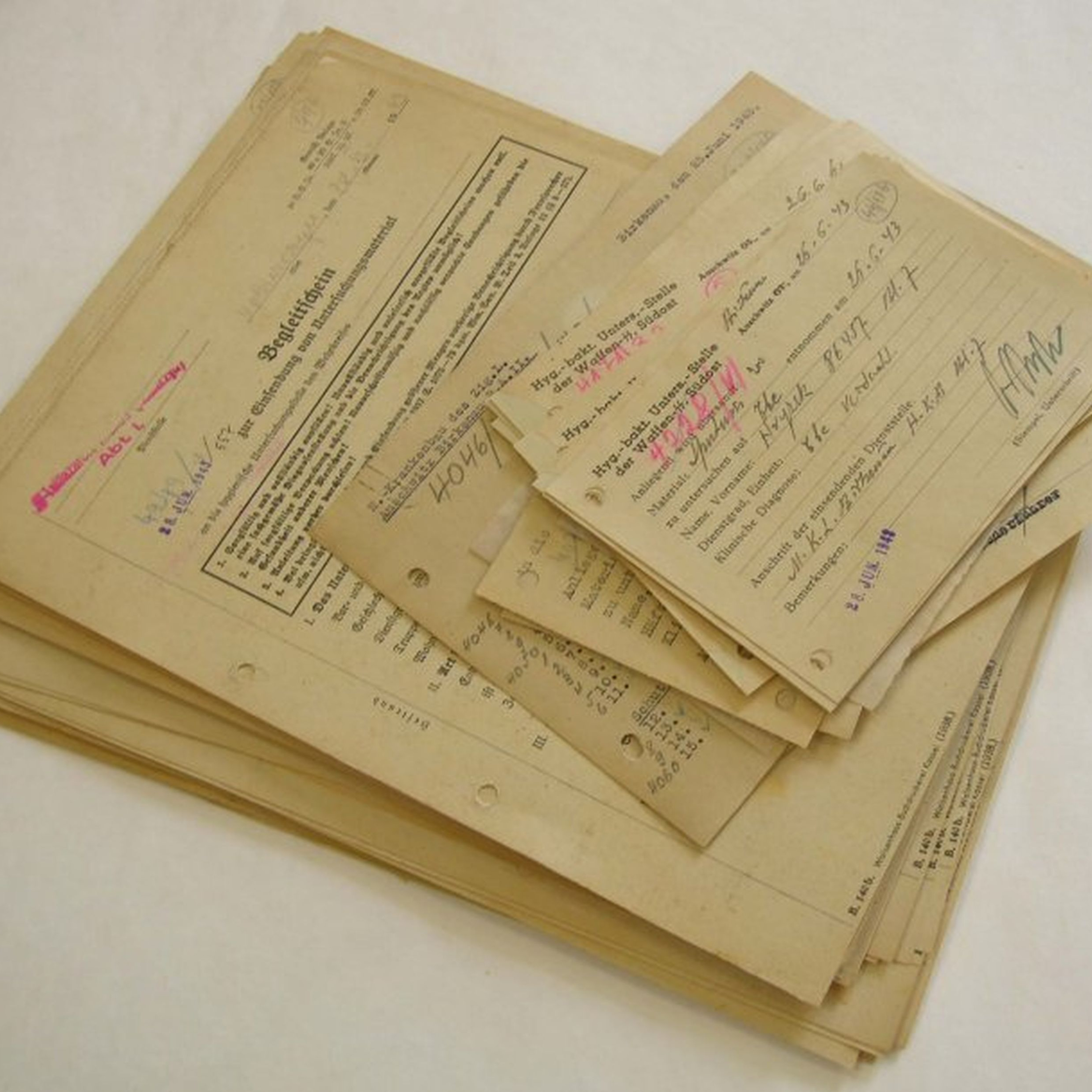
The Waffen-SS and Police Hygiene Institute at Auschwitz was established in the autumn of 1942. Its tasks included conducting hygienic and ba...

What did ideological training for SS personnel at the Auschwitz camp look like, and how did the ideology of national socialism influence the...

Some 8,200 SS men and 200 women overseers served in the camp garrison of the German Nazi camp Auschwitz between 1940 and 1945. How were the...

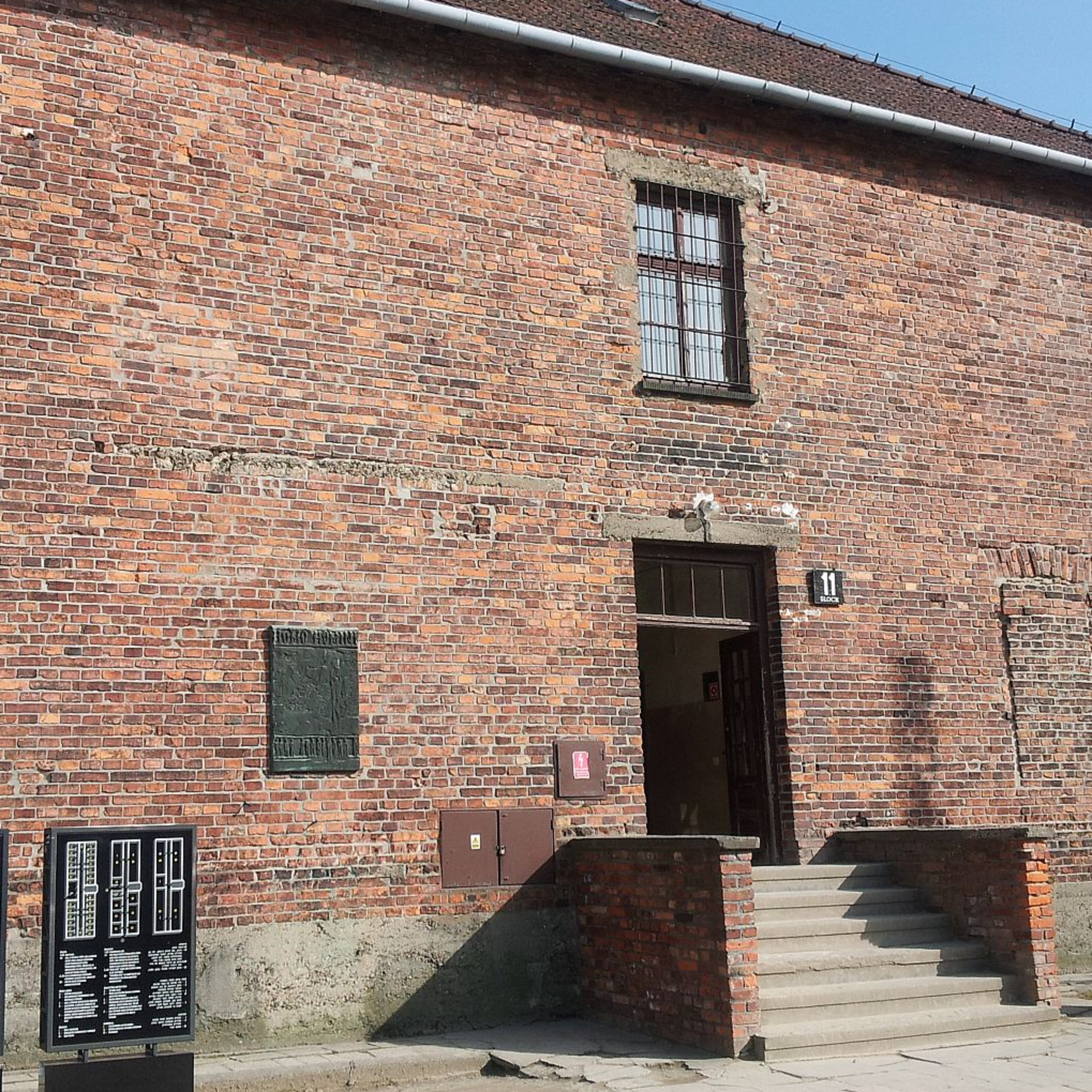
Block 11 at Auschwitz I was isolated from the rest of the camp. It served as a prison, an execution site, and the quarters of the penal comp...

At Auschwitz a system of punishments was in place for prisoners who broke camp regulations. In addition to official penalties, SS garrison m...

The International Center for Education about Auschwitz and the Holocaust, established as a result of the efforts of Auschwitz Survivors, has...

Education at the Auschwitz Memorial has been carried out since the Museum was established in 1947, and the first guides were Survivors who t...

Paragraph 175 of the German Penal Code criminalized homosexual contacts between men. One possible punishment was imprisonment in a concentra...

On June 14, 1940, the Germans deported a group of 728 Poles from a prison in Tarnow to Auschwitz. Among them were soldiers of the September...

Block 10 at the Auschwitz I camp was the so-called experimental block. SS doctors conducted medical experiments there, including those focus...

The Auschwitz camp did not have a homogeneous character and was constantly changing during its operation. Dr Jacek Lachendro of the Auschwit...

The Auschwitz Memorial covers nearly 200 hectares of land and includes about 300 ruins and 155 buildings, but also a huge number of historic...

Holocaust denial is nothing more than a conspiracy theory built on lies and hatred. Although it resembles flat-Earth claims in its approach...

Some 7,500 prisoners of the German Nazi camp Auschwitz, including over 500 children, were liberated on January 27, 1945 by Red Army soldiers...