When the last geyser in Pacific Northwest went still in Lakeview
May 14, 2026 - 00:07:49
 Radio and PodcastLive Radio & Podcasts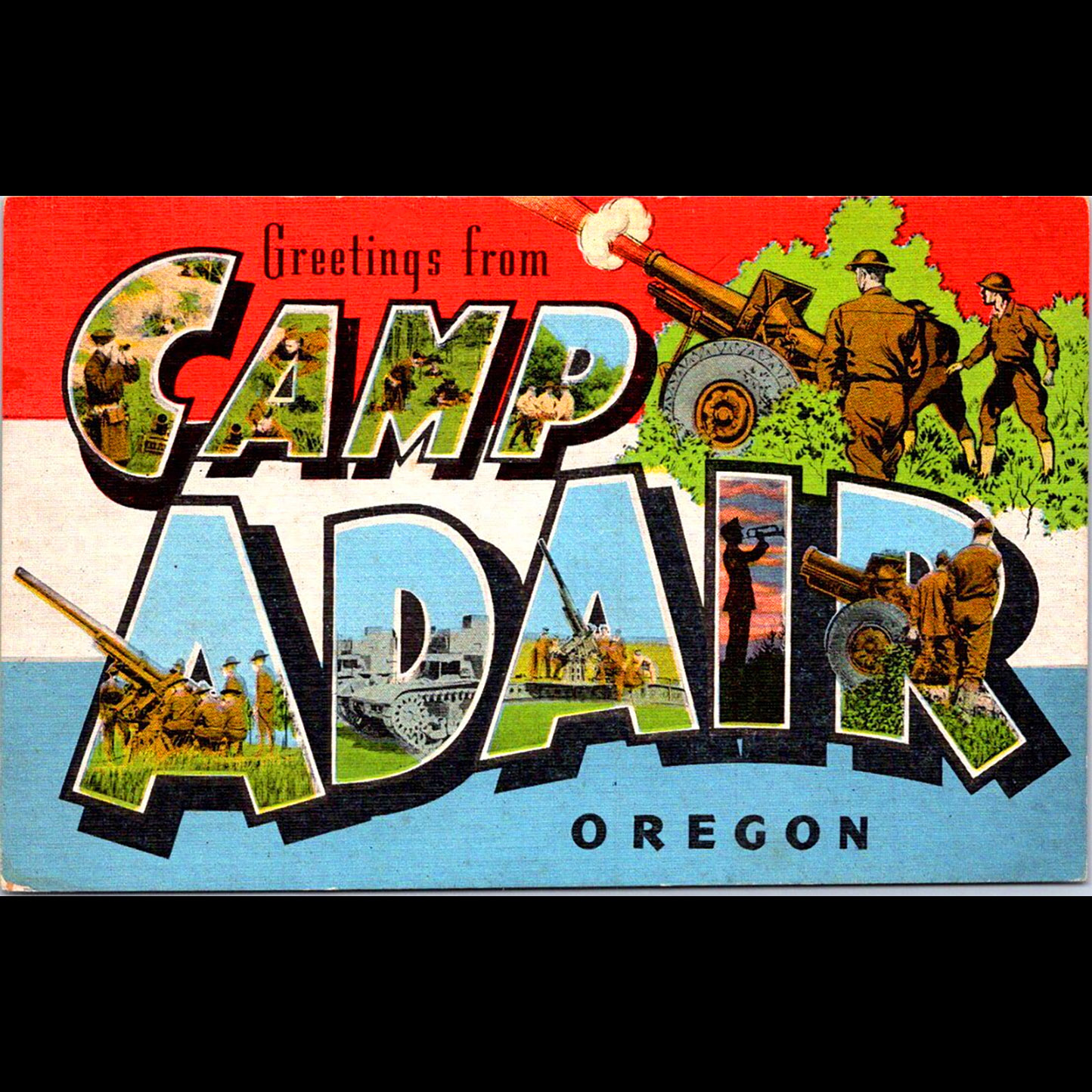
BY EARLY 1941, the U.S. Army knew it was about to get sucked into at least one of the wars that were already raging around the world. The Selective Service and Training Act had passed the previous fall, and already young...
Oregon's second-largest city was built in six months (Part 1 of 2) is an episode from Offbeat Oregon History podcast by www.offbeatoregon.com. BY EARLY 1941, the U.S. Army knew it was about to get sucked into at least one of the wars that w...
This episode belongs to Offbeat Oregon History podcast.
Use the player on this page to stream the episode online.
Published Apr 27, 2026, 00:06:13 long, audio available.
Continue listening to more episodes from Offbeat Oregon History podcast.
May 14, 2026 - 00:07:49
May 13, 2026 - 00:06:16
May 12, 2026 - 00:06:51
May 11, 2026 - 00:06:13

May 8, 2026 - 00:14:05
May 7, 2026 - 00:08:09
May 6, 2026 - 00:09:22
BY EARLY 1941, the U.S. Army knew it was about to get sucked into at least one of the wars that were already raging around the world. The Selective Service and Training Act had passed the previous fall, and already young American men were being drafted into the Army, swelling its ranks with green recruits. Sooner or not much later they’d be in combat, fighting for their lives. There was no time to be lost — those combat noobs had to be trained and hardened and prepared so that they would have as good a chance as possible when thrown into the fight. With that in mind, the Army started looking for suitable locations for a combat-training campus between Portland and San Francisco on the West Coast. It would need to be about 65,000 acres and, in addition to the usual building sites and gunnery ranges, it would have to include geography similar to the sites where the fighting was expected to happen: rolling hills, steep slopes, swampy terrain, thick forests, and something approximating jungle foliage. Moving very fast — after all, new conscripts were coming in all the time — the Army settled on two prospective sites: one near Eugene, and one just north of Corvallis. The Corvallis site won the toss — there were fewer residents to be displaced, and the railroad and highway infrastructure was more developed. That was in June 1941. By the end of that year, the funds were allocated and the plans drawn up, and nine months later Oregon’s second largest city had spring into being out of the swampy ground. (Camp Adair, Benton County; 1940s, 1950s) (For text and pictures, see
You can listen to Oregon's second-largest city was built in six months (Part 1 of 2) online on Radio and Podcast. Open the player on this page to stream the available audio.
Oregon's second-largest city was built in six months (Part 1 of 2) is an episode from Offbeat Oregon History podcast by www.offbeatoregon.com.
This episode is 00:06:13 long.
This episode was published on Apr 27, 2026.
Yes. Use the heart button on the episode page to add it to your favorite episodes list.
Yes. This page shows related episodes from Offbeat Oregon History podcast when more episodes are available from the podcast feed.
You can listen to Oregon's second-largest city was built in six months (Part 1 of 2) on this page when the episode audio is available from the podcast feed.
Oregon's second-largest city was built in six months (Part 1 of 2) is from Offbeat Oregon History podcast by www.offbeatoregon.com.
Published Apr 27, 2026 and 00:06:13 long