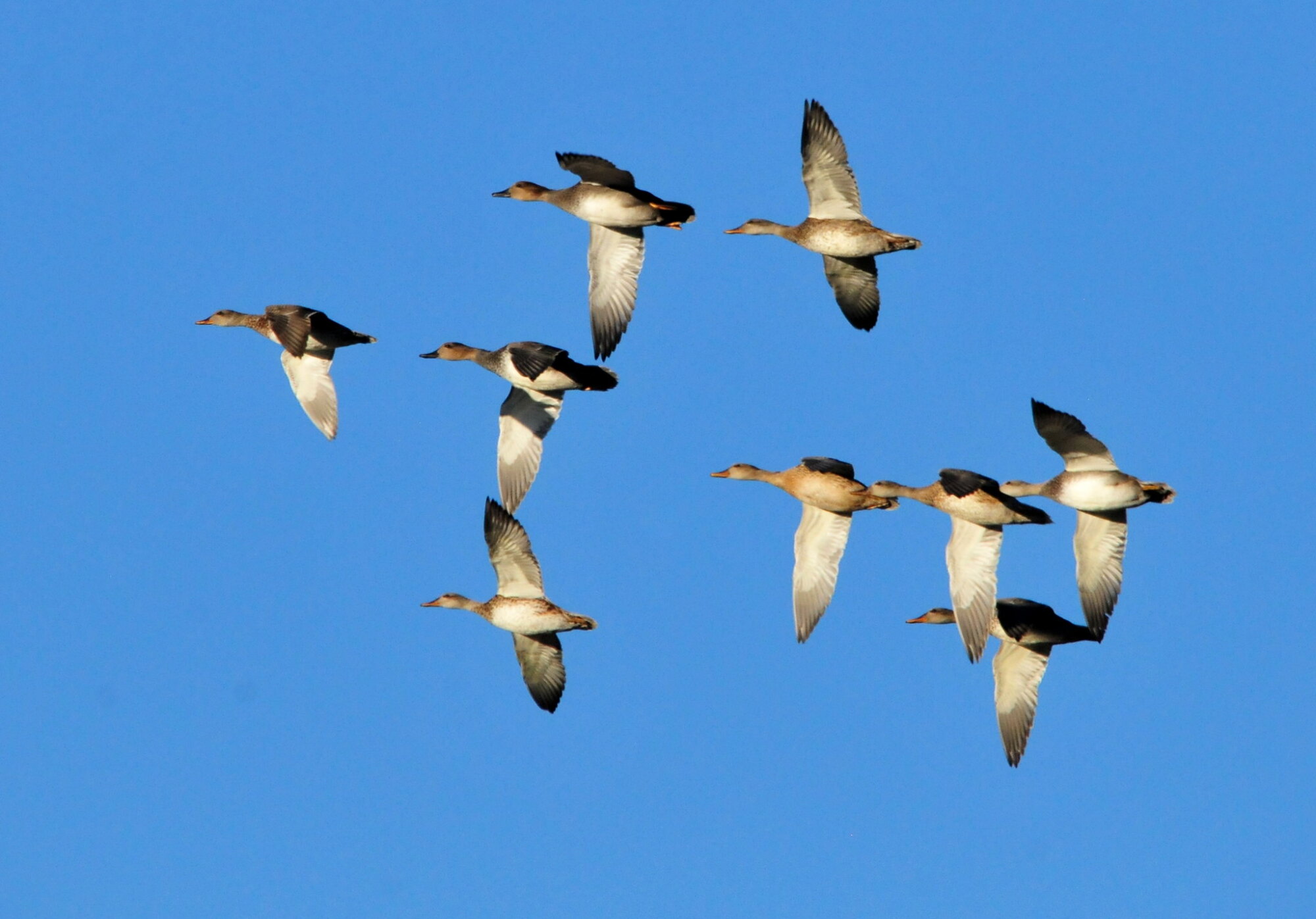
Following the fall waterfowl migration through North Dakota
It is the sights and sounds of waterfowl overhead that perhaps best exemplify fall. Biologists have long recognized predictable seasonal mig...
 Radio and PodcastLive Radio & Podcasts
Hosted by Chuck Lura, a biology professor at Dakota College in Bottineau. Chuck has a broad knowledge of “Natural North Dakota” and loves sharing that knowledge with others. Since 2005, he h...
It is the sights and sounds of waterfowl overhead that perhaps best exemplify fall. Biologists have long recognized predictable seasonal mig...
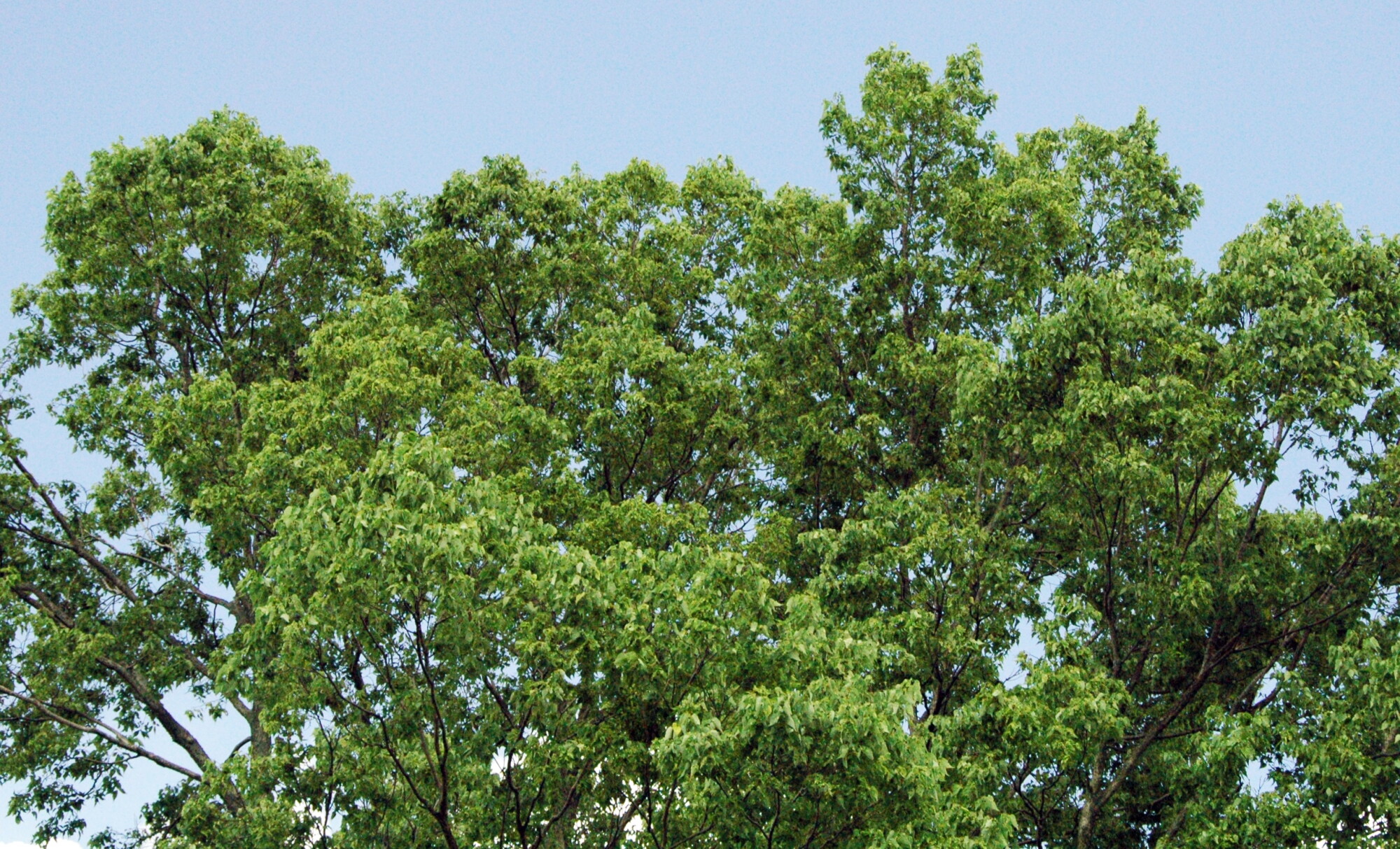
Hackberry is a medium to tall tree that grows to between 40-60 feet. It ranges roughly east of a line from North Dakota south to Oklahoma. I...
Have you ever noticed that some ducks get up from the water quickly and easily while other have to paddle away for a considerable distance b...
There are three types of prairie, and in North Dakota, the tallgrass prairie historically dominated the Red River Valley. As the name implie...
North Dakotans have endless opportunities to get out and enjoy nature, and those opportunities are not restricted to summer.
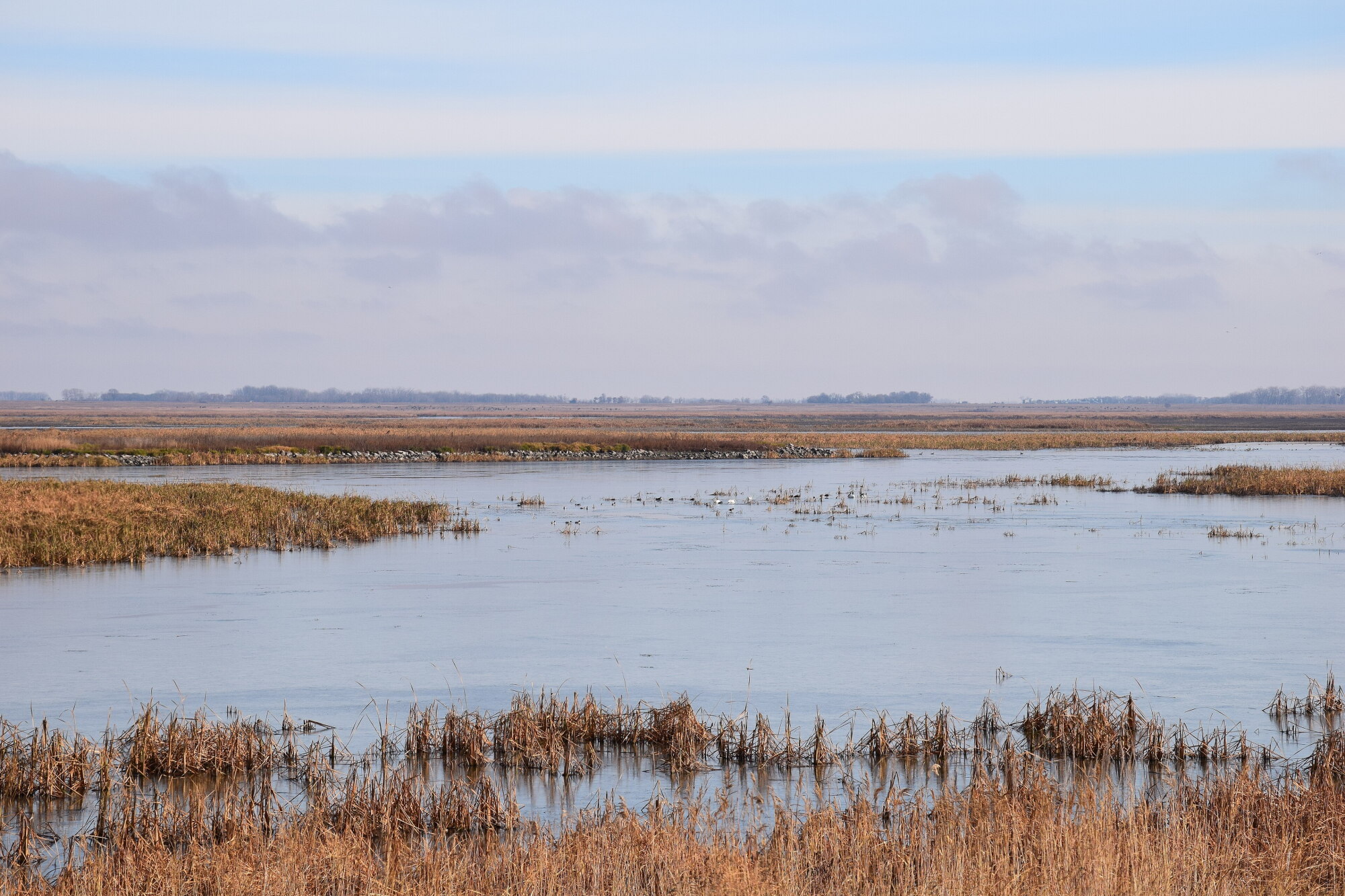
Most North Dakotans are well aware of the rich soils of the Red River Valley, what was once glacial Lake Agassiz. Although less well known,...
Have you ever seen a bobcat? If so, I suspect you are among the few North Dakotans that have. It might come as a surprise to learn that they...
When you look near barnyards, roadsides, or other disturbed areas this time of year, you may notice a low-growing weedy plant with finely di...
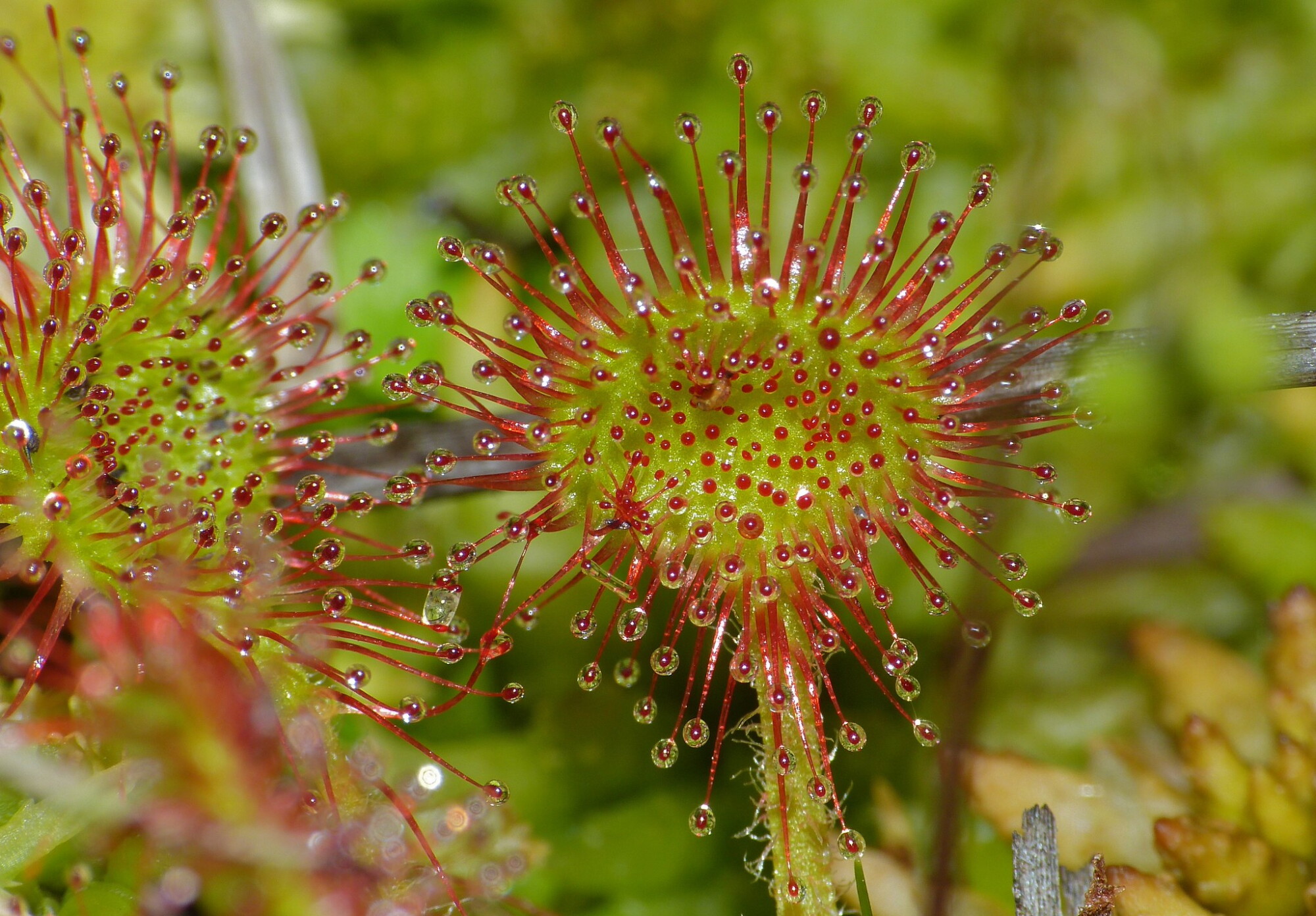
Dveryone has heard of the Venus flytrap, but North Dakota's Turtle Mountains is home to a different carnivorous plant — the round-leaved sun...
The goldenrods are starting to put on their annual floral show. Much as the pasque flowers in bloom serve as harbingers of spring, the golde...
Two noteworthy celestial shows are coming up on August 12. The Perseids meteor shower is expected to peak that evening, and a partial solar...
The United Nations declared 2026 the International Year of Rangelands and Pastoralists to “honor and raise awareness of the important role t...
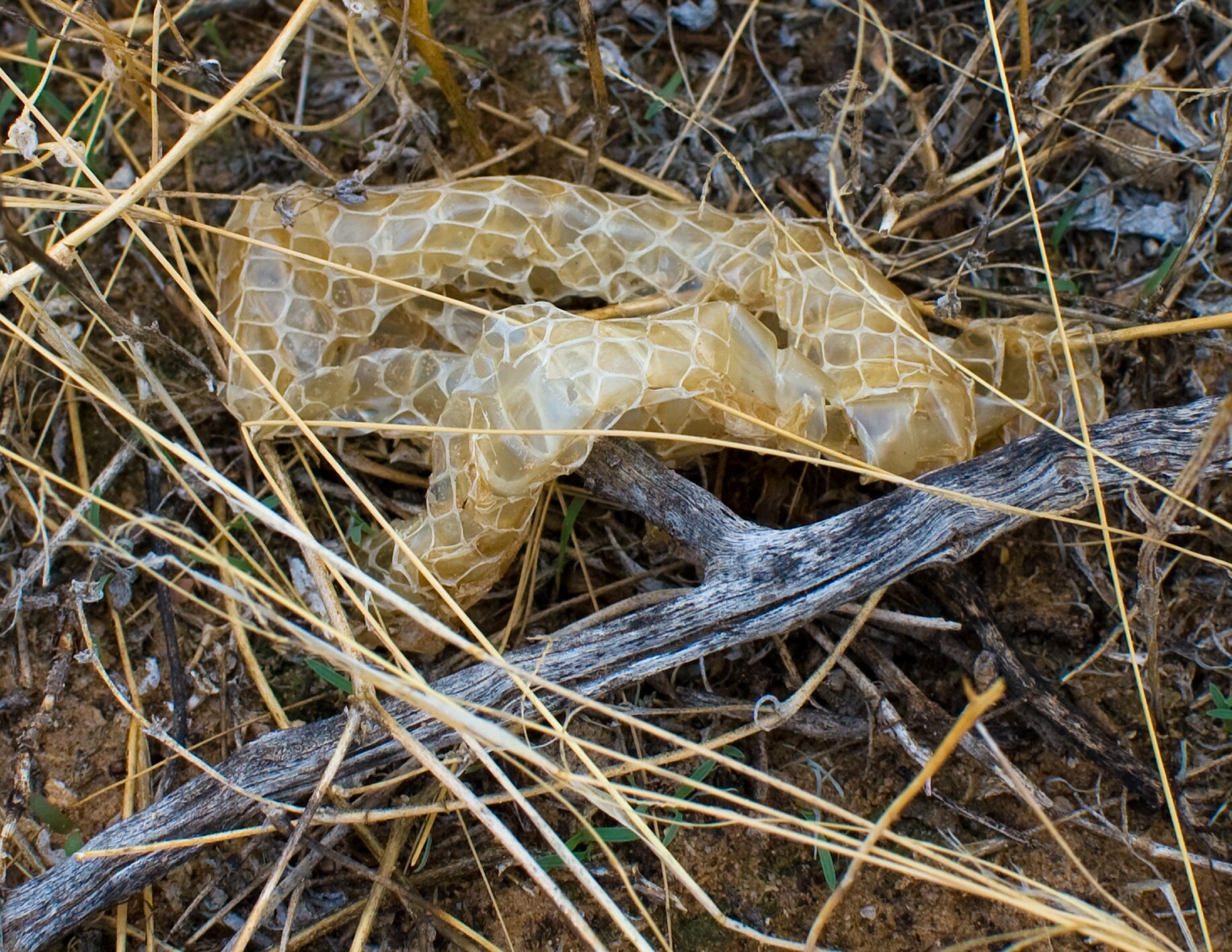
If you frequently walk through the prairies and woodlands, or perhaps even your own backyard, you may come upon a rather delicate, whitish t...
A rather common sight across North Dakota during the summer months is a large hawk with broad wings and a wide, rounded tail soaring high ov...
It might come as a surprise, but an estimated 10,000 to 20,000 Mandan lived in and around the confluence of the Heart River and Missouri Riv...
Are you familiar with grosbeaks? They are birds, similar in size to an oriole, and known for their rather short and conical beaks. Three spe...
Elm trees, once abundant and widely distributed in North Dakota and highly valued as an ornamental died by the thousands, mostly in the 1970...

A single cottonwood tree can produce a staggering number of small seeds each year. Estimates range from around 25-48 million. But of course,...

Have you been noticing a 2-3 foot tall wildflower sporting a terminal cluster of conspicuous purple flowers? If so, it is probably Dame’s Ro...
Have you ever wondered how Native Americans, early explorers, and settlers got around the region without getting lost? These days, well-mark...