Ep 38: Islam and the Army in Colonial India Nile Green
Apr 3, 2022 - 01:26:58

Radio and PodcastLive Radio & Podcasts
Hello and Welcome everyone to India Colonised A Podcast dedicated to Sout Asia’s Colonial history. I am your host Omer Haq and today on our next episode of guftagu we have with us Dr Kate Imy. Kate Imy is a historian of...
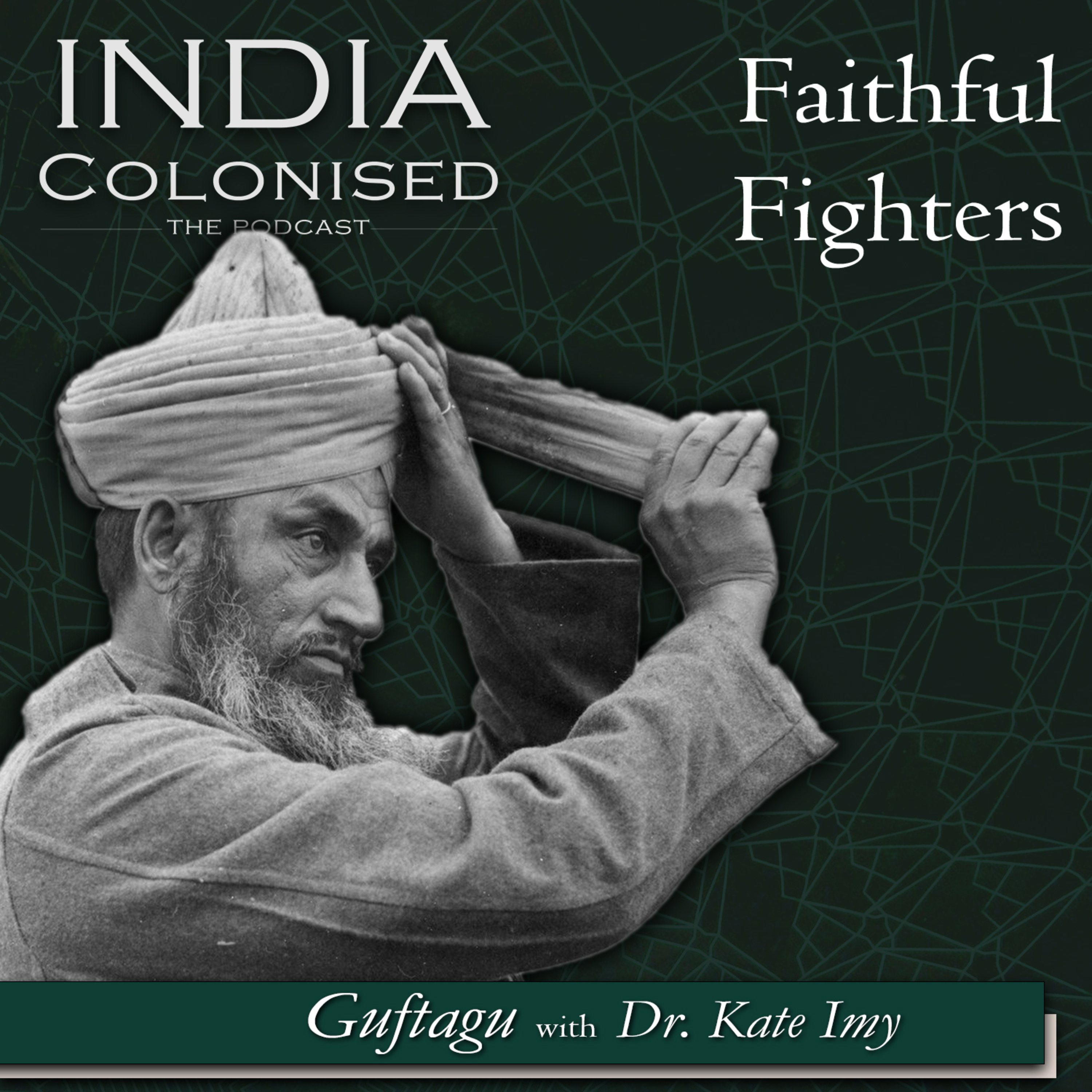
Ep 29: Faithful Fighters: Identity and Power in the British Indian Army Guftagu with Dr Kate Imy is an episode from India Colonised by Omer Haq. Hello and Welcome everyone to India Colonised A Podcast dedicated to Sout Asia’s Colonial histo...
This episode belongs to India Colonised.
Use the player on this page to stream the episode online.
Published Aug 22, 2021, 01:33:29 long, audio available.
Hello and Welcome everyone to India Colonised A Podcast dedicated to Sout Asia’s Colonial history. I am your host Omer Haq and today on our next episode of guftagu we have with us Dr Kate Imy. Kate Imy is a historian of culture and war in British colonial Asia. Her first book, Faithful Fighters: Identity and Power in the British Indian Army , examines culture and anti-colonialism in the 20th century British Indian army. It won the NACBS Stansky prize and the Pacific Coast Branch Book Award of the American Historical Association. Her next project considers soldier and civilian experiences of war in Singapore and Malaya. She is a recipient of a Fulbright fellowship, two CLS awards (Hindi and Urdu), a fellowship from the Institute of Historical Research (London), and a Bernadotte E. Schmitt grant from the American Historical Association. In 2021 she is the Lee Kong Chian NUS-Stanford Fellow on Southeast Asia. During the first four decades of the twentieth century, the British Indian Army possessed an illusion of racial and religious inclusivity. The army recruited diverse soldiers, known as the "Martial Races," including British Christians, Hindustani Muslims, Punjabi Sikhs, Hindu Rajputs, Pathans from northwestern India, and "Gurkhas" from Nepal. As anti-colonial activism intensified, military officials incorporated some soldiers' religious traditions into the army to keep them disciplined and loyal. They facilitated acts such as the fast of Ramadan for Muslim soldiers and allowed religious swords among Sikhs to recruit men from communities where anti-colonial sentiment grew stronger. Consequently, Indian nationalists and anti-colonial activists charged the army with fomenting racial and religious divisions. In Faithful Fighters , Kate Imy explores how military culture created unintended dialogues between soldiers and civilians, including Hindu nationalists, Sikh revivalists, and pan-Islamic activists. By the 1920s and '30s, the army constructed military schools and academies to isolate soldiers from anti-colonial activism. While this carefully managed military segregation crumbled under the pressure of the Second World War, Imy argues that the army militarized racial and religious difference, creating lasting legacies for the violent partition and independence of India, and the endemic warfare and violence of the post-colonial world. Here is my conversation with Dr Kate Imy about her book Faithful Fighters: Identity and Power in the British Indian Army . Listen to our conversation on her intellectual journey and the journey of writing this book, including how we can engage with his work in relevance to today's world.
You can listen to Ep 29: Faithful Fighters: Identity and Power in the British Indian Army Guftagu with Dr Kate Imy online on Radio and Podcast. Open the player on this page to stream the available audio.
Ep 29: Faithful Fighters: Identity and Power in the British Indian Army Guftagu with Dr Kate Imy is an episode from India Colonised by Omer Haq.
This episode is 01:33:29 long.
This episode was published on Aug 22, 2021.
Yes. Use the heart button on the episode page to add it to your favorite episodes list.
Yes. This page shows related episodes from India Colonised when more episodes are available from the podcast feed.