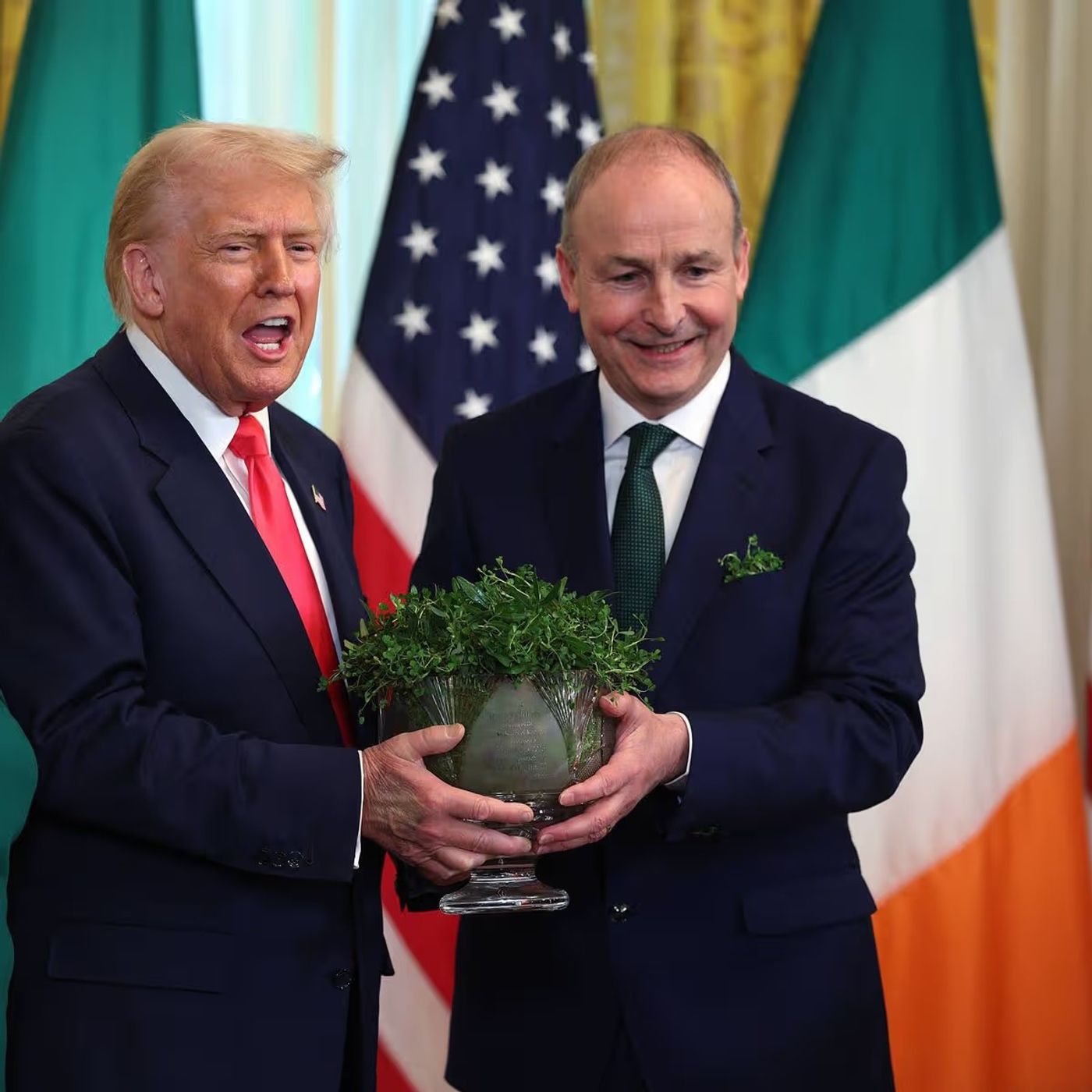
Irish America in the 1950s
Dublin Festival of Books presents one of a series of presentations on this year's One City One Book—John Banville’s Christine Falls . While...
Radio and PodcastLive Radio & PodcastsOpening Radio and Podcast...

Radio and PodcastLive Radio & PodcastsFetching podcast shows and categories...
Radio and PodcastLive Radio & PodcastsFetching podcast episodes...

History Ireland magazine has now been in production for over 27 years. The History Ireland Podcast covers a wide variety of topics, from the earliest times to the present day, in an effort t...

Dublin Festival of Books presents one of a series of presentations on this year's One City One Book—John Banville’s Christine Falls . While...

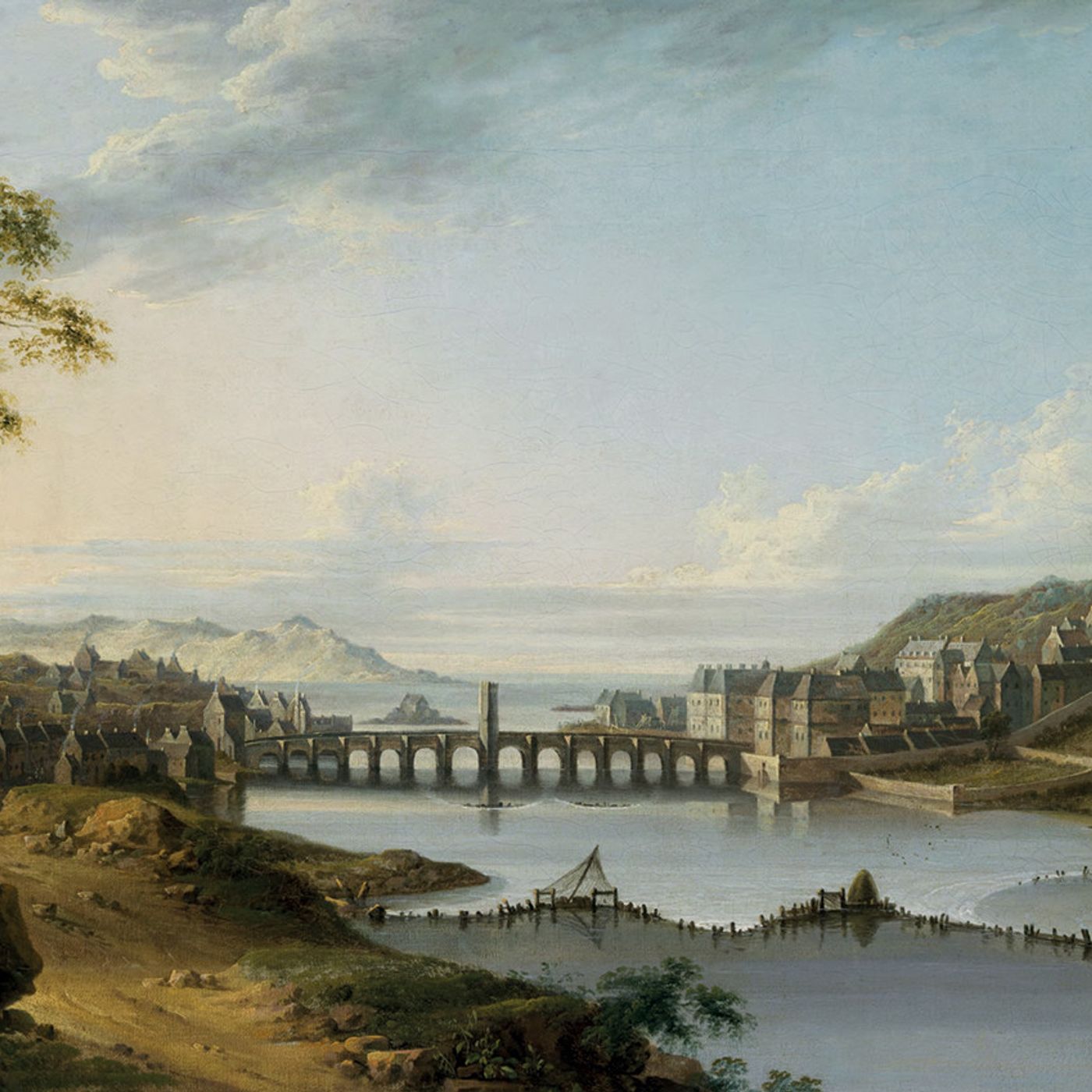
Ballyshannon may or may not be the ‘oldest town in Ireland’ but it has certainly been the site of human settlement and activity for thousand...
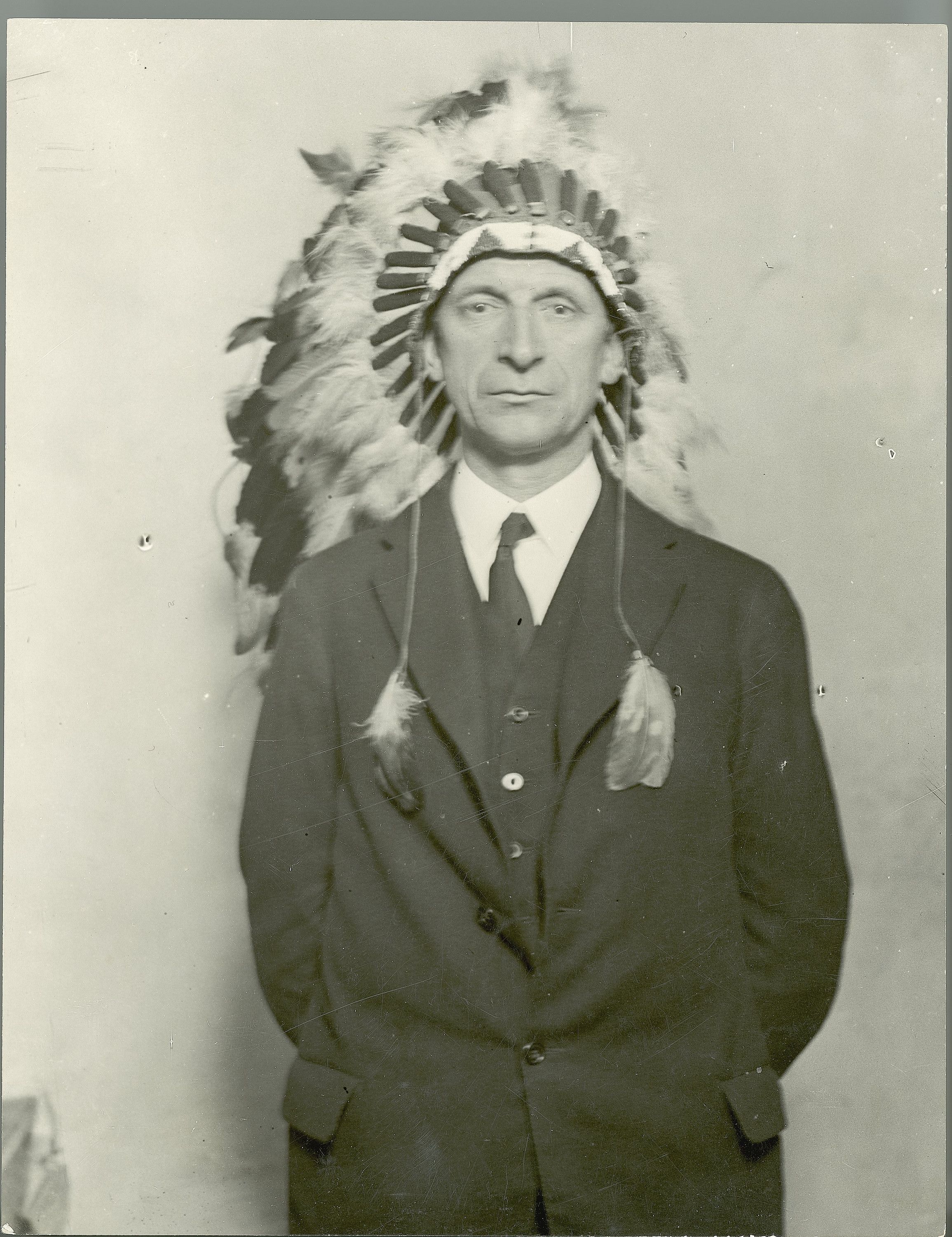
Recorded live on Saturday 30 August ’25 @ the Electric Picnic Admired and reviled in equal measure, Éamon de Valera was Ireland’s longest-se...
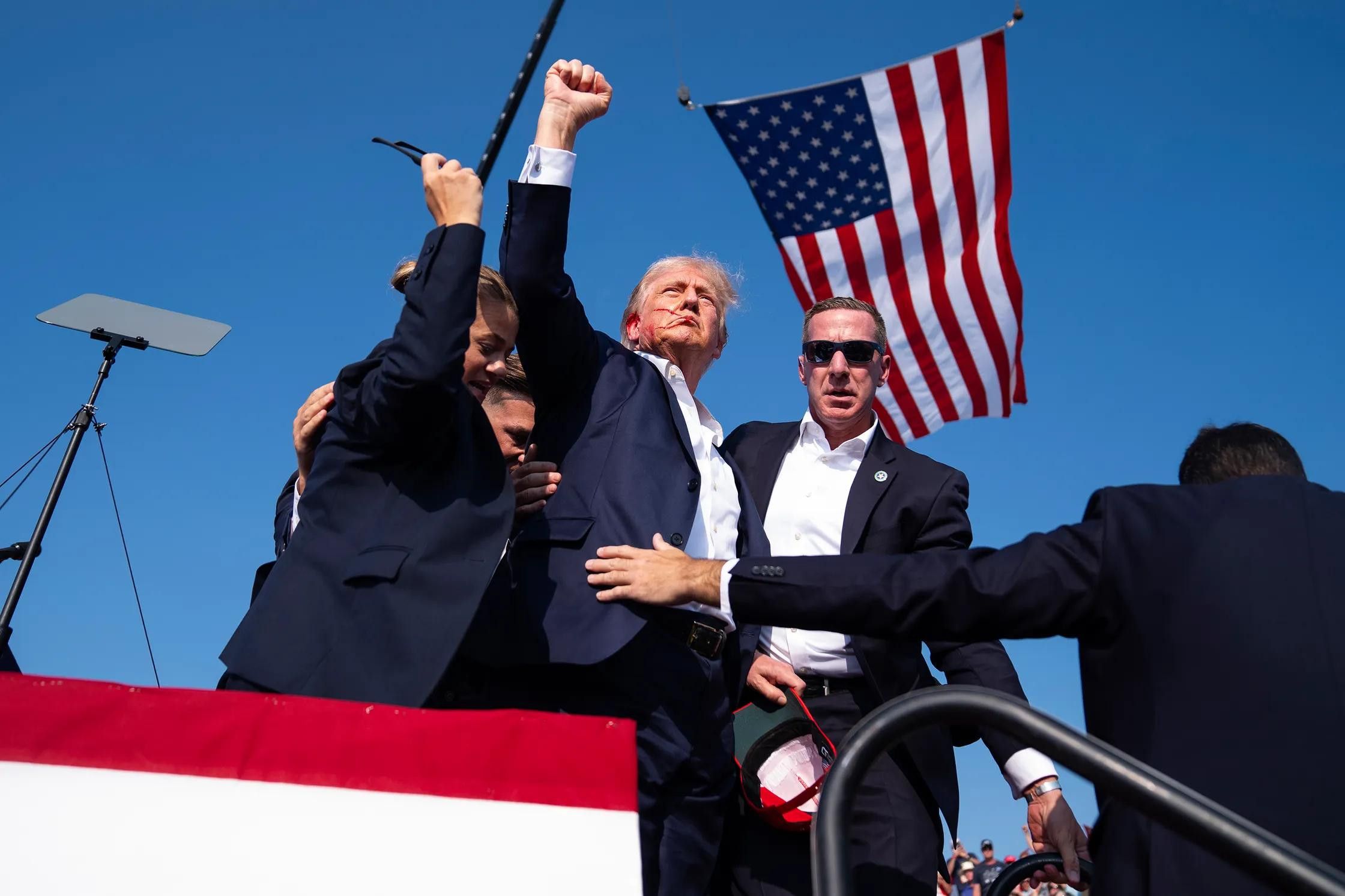
Recorded live on Friday 29 August ’25 @ the Electric Picnic History Ireland editor Tommy Graham in conversation with Dan Mulhall , Irish amb...

(Recorded live on Wednesday 30 July ’25 @ Glasnevin Cemetery visitor centre) Daniel O’Connell was described by his biographer Oliver MacDona...

From the tenement collapses of the early twentieth century to the spiralling house prices of the early twenty-first, it seems that housing i...

What is the purpose of museums? How have museums in Ireland evolved over the past 30 years or so? Are there too many or too few? North of th...

We broadcast again editor Tommy Graham’s interview (55 mins) with Brian Hanley (TCD) following the February 2020 general election, with an u...
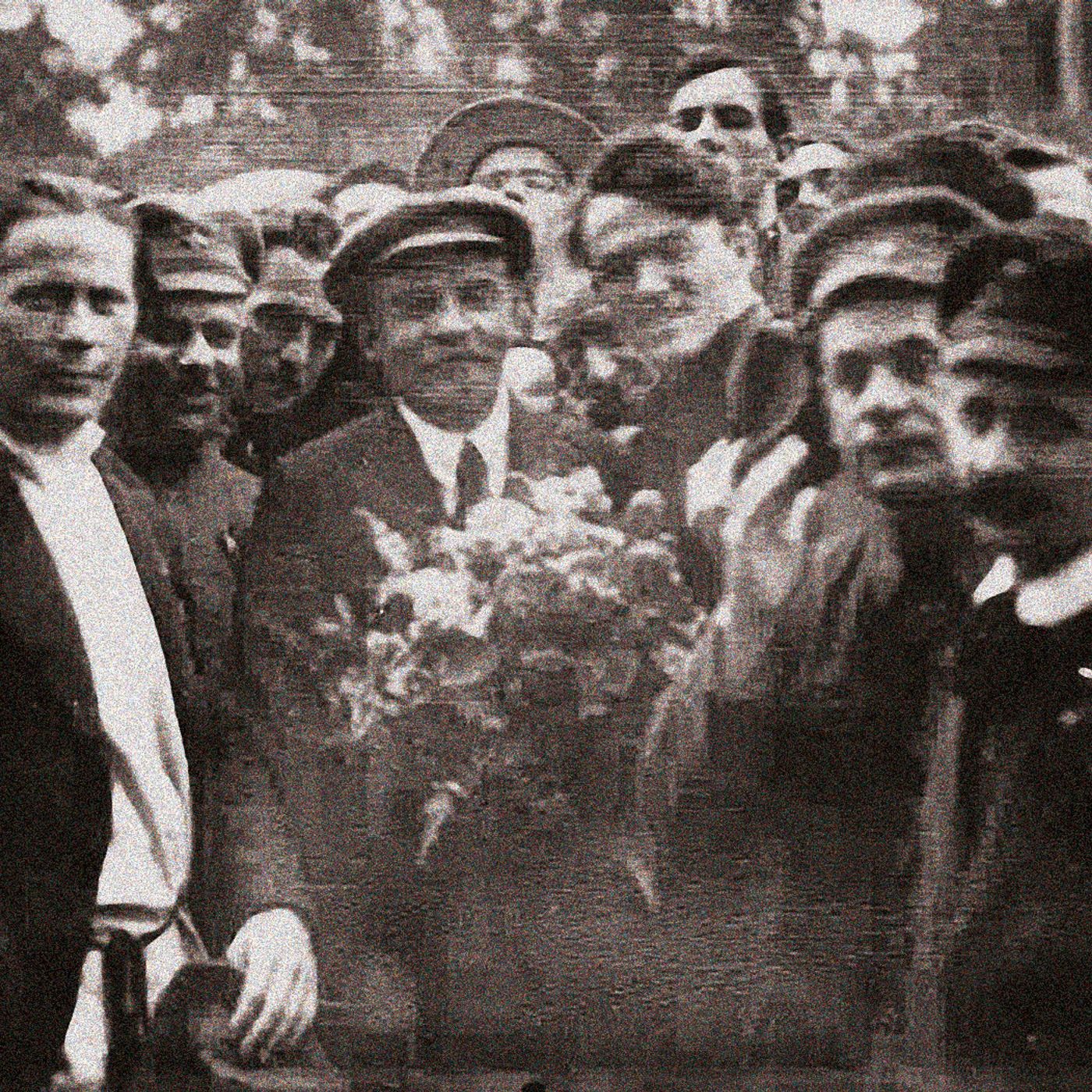
(Recorded live on Wed 02 October, @ The Cobblestone, King St N, Smithfield, Dublin, D07 TP22) History Ireland editor, Tommy Graham, chats to...

(Recorded live on Sunday 29 September 2024, @ The Substation, Alexandra Road, Dublin, D01 H4C6) In 1986, the maritime historian, John de Cou...
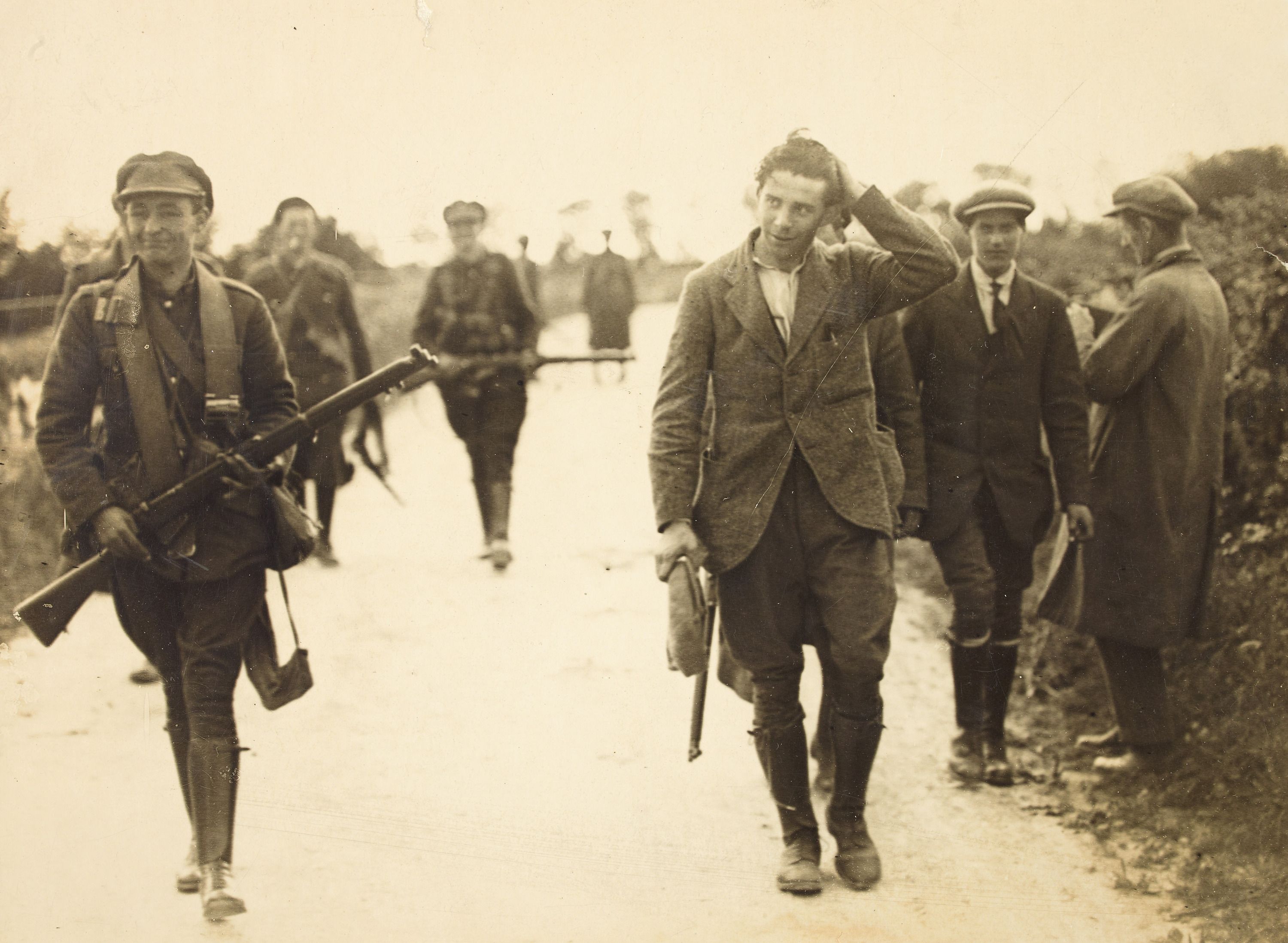
(Recorded live on Sat 17 Aug ’24 @ the Electric Picnic) Thanks to UCC’s Irish Civil War Fatalities project we now have a definite figure—1,4...

(Recorded live on Fri 16 Aug ’24 @ the Electric Picnic) History Ireland editor Tommy Graham chats to former international footballer, admini...

Born in 1917 in Sixmilebridge, Co. Clare, Brendan O’Regan’s background was in hotel management and catering, working in the family hotel in...
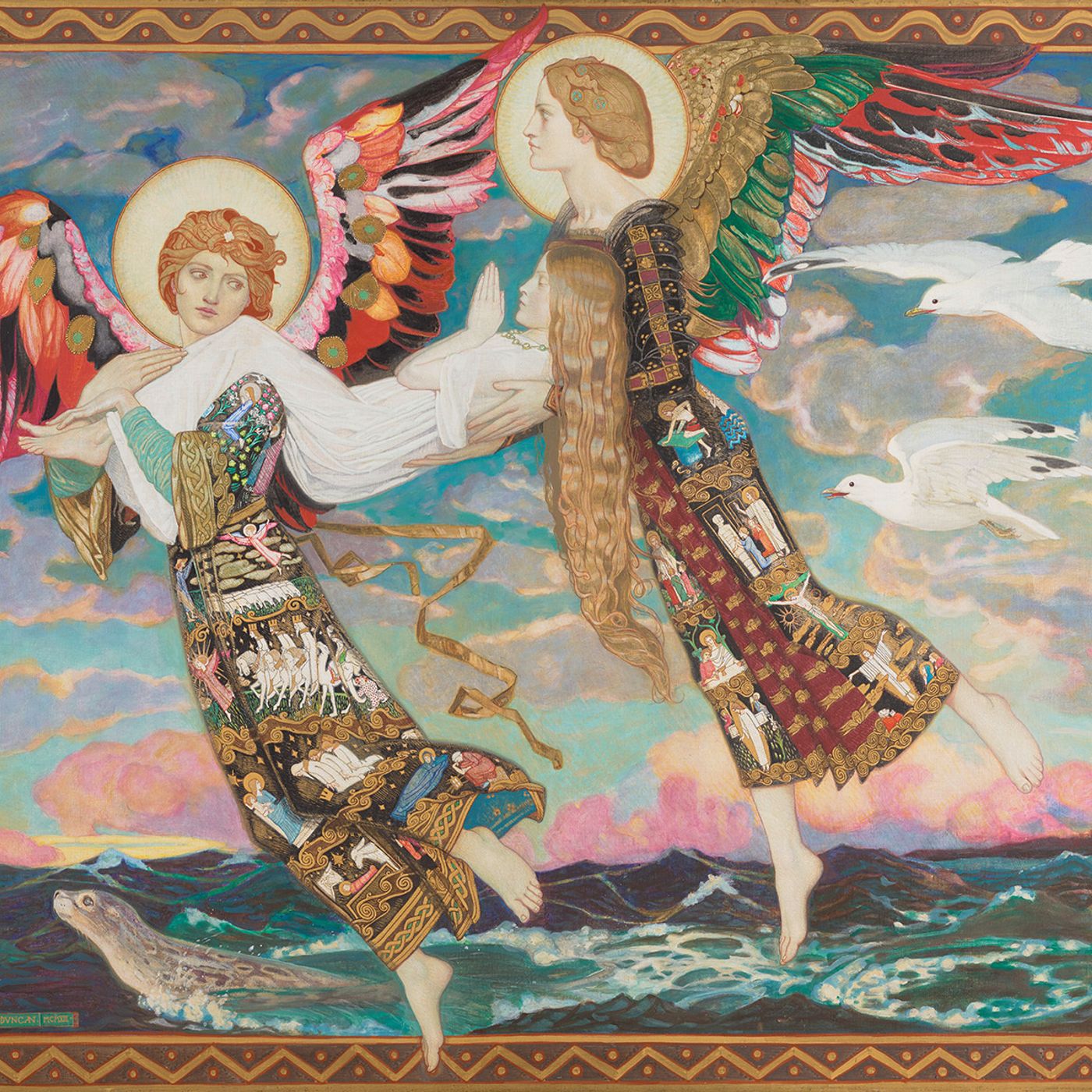
Recorded on the 1 Feb 2024, at the National Library of Ireland, Kildare Street. Join History Ireland editor, Tommy Graham , to mark the 1500...

To what extent did the Irish Free State’s joining the League of Nations a century ago realise Robert Emmet’s ambition? Join History Ireland...

(Recorded at Maggie’s Tavern, St Johnston, Co. Donegal, on Saturday 28 October ’23) Join History Ireland editor, Tommy Graham, to mark the 4...

(Recorded at the Irish Film Institute on Wed 11 Oct ’23 as part of the Dublin Festival of History) Listen to History Ireland editor Tommy Gr...

This Hedge School, recorded at the Electric Picnic, September 2023, was preceded by a performance of Paddy Cullivan’s The Two Murders of Wol...

Belfast: The story of a city and its people is a lively and inviting history of Belfast—exploring the highs and lows of a resilient city. Jo...

What were the economic challenges faced by the new state? How did it perform? How did it compare with other newly independent states in Euro...

What do these two elections tell us about Ireland’s political landscape before and after the Civil War? Join History Ireland editor Tommy Gr...

Organised labour had played a leading role (strikes, boycotts etc.) in the Irish revolution, and that was reflected in a substantial vote in...

(Recorded at the National Photographic Archive, Temple Bar on the 31 May 2023) Are historians visually illiterate? Does colourisation bring...

How was the Civil War memorialized—by both sides? Who won the ‘memory war’? To address these and other questions listen to History Ireland e...

John Charles McQuaid, archbishop of Dublin from 1940 to 1972, was a colossus of the Catholic Church in his day, famous (or infamous) for his...

History Ireland editor, Tommy Graham , and the Hedge School panel— John Dorney , Brian Hanley , Colum Kenny and Mary McAuliffe —field questi...

The violence and divisions caused by the Irish Civil War were more vicious, bitter and protracted in County Kerry than anywhere else in Irel...

What is the relationship between commemoration and historical scholarship? How has this worked out in practice in the Decade of Centenaries?...

A century ago, in December 1922, at the height of the Civil War, poet W.B. Yeats was nominated to the Senate of the newly established Irish...

Marú in Iarthar Chorcaí (Murder in West Cork) TG4, 9.30pm, Wednesday 7 December 2022 Over two nights in April 1922, thirteen Protestant men...

While not in the vanguard of the War of Independence, Donegal became the scene of the last stand-up fight between the IRA (pro- and anti-Tre...

How have Irish Travellers fared since the foundation of the state a century ago, and in particular since the 1963 Report of the Commission o...

At the outbreak of the Irish Civil War in June 1922 the anti-Treaty IRA numbered some 15,000, holding key positions in Dublin and throughout...

This Hege School was recorded at the Electric Picnic 2022 immediately after Paddy Cullivan's historical entertainment, 'The Murder of Michae...

It is nearly 40 years since Margaret Ward’s pioneering Unmanageable Revolutionaries: Women and Irish Nationalism, 1880-1980 (1983) first app...

Born in West Cork in 1890, Michael Collins joined the Irish Republican Brotherhood (IRB) as a teenager while working as a clerk in London. H...

So said Michael Collins, yet despite his central role in the development of the Irish nationalism from which the Irish State would emerge, A...

One of the most engaging figures of the revolutionary period, Harry Boland, along with his brother Gerry, joined the IRB in 1904 and partici...

On 22 June 1922 Field Marshall Sir Henry Wilson, former Chief of the Imperial General Staff, and Unionist MP for North Down, was assassinate...

As part of the so-called ‘Northern Offensive’, on 27 May 1922, a combined force of pro-Treaty National Army and anti-Treaty IRA occupied the...

(Recorded @ Phizzfest [Phibsborough Community Arts Festival], Sun 15 May 2022, Glasnevin Cemetery Museum) Given their activism in the revolu...

In this centenary year of its publication, the History Ireland Hedge School considers James Joyce’s Ulysses , set in Dublin on a single day,...

Over the course of the Irish War of Independence and Civil War, nearly 300 ‘Big Houses’ (those belonging to aristocrats with in excess of 2,...

The Anglo-Irish Treaty sparked turmoil within the IRA. Some accepted it and joined the ranks of the Provisional Government’s new ‘National A...

While an uneasy peace prevailed in the South following the Truce of July 1921, in Northern Ireland communal violence continued to rage, exem...

So said the long white apron of suffragette and socialist Margaret Buckmaster at a protest in July 1921 organised by the Peace with Ireland...

When the Civic Guard—later renamed An Garda Síochána—was founded in February 1922, the force it replaced, the Royal Irish Constabulary, was...

Within weeks of the ratification of the Treaty by Dáil Éireann an ‘Irish Race Congress’ assembled in Paris representing Irish organizations...

Under the terms of the Anglo-Irish Treaty, a Provisional Government, led by Michael Collins, was to oversee the transition of power until th...

Of the five plenipotentiaries who signed the Anglo-Irish Treaty on 6 December 1921 most attention has been focused on the motivations and ac...