DZ-126: Secrets and Clues
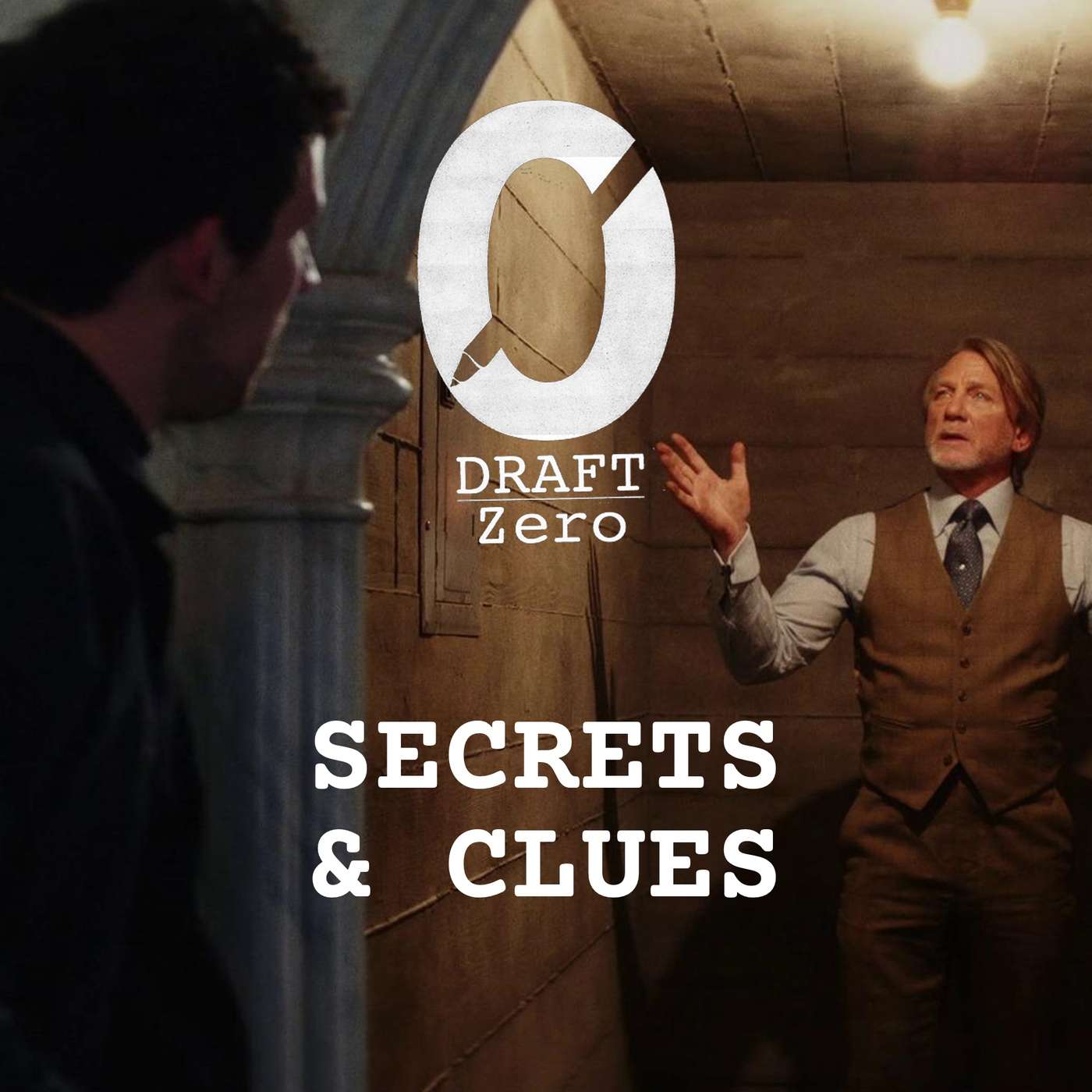
How can Secrets and Clues motivate characters? "Getting information puts your character in danger. And danger rewards your character with in...
Radio and PodcastLive Radio & PodcastsOpening Radio and Podcast...

Radio and PodcastLive Radio & PodcastsFetching podcast shows and categories...
Radio and PodcastLive Radio & PodcastsFetching podcast episodes...

Two emerging screenwriters – Chas Fisher and Stuart Willis – try to work out what makes great screenplays work. Discovering what it takes by analysing what successful writers put on the page...

How can Secrets and Clues motivate characters? "Getting information puts your character in danger. And danger rewards your character with in...

What craft tools make a low-budget, contained, period drama riveting? Explore how narrative POV, interweaving relationships, hooky dialogue,...
How does Film Noir show us terrible people doing terrible things without endorsing it? Mel and Chas continue to explore what Noir (the genre...

What can Film Noir teach us about character arcs and audience engagement? In this two part series, Mel and Chas use Noir (the genre) as a le...

What happens when a group of filmmakers play a ragtag group of filmmakers in a gritty sci-fi horror? "Ignite the fire within and explore unk...
How can you apply horror ideas to action and comedy? In this episode Chas, Stu and guest Kim Ho continue their exploration into the power(s)...
How do the antagonistic forces in your story escalate distinctly from the protagonists' journey? We often struggle to develop the middle sta...
Or, how focusing on good drama will result in good subtext. We often hear how subtext is important for good screenwriting. We're here to tel...
How does your protagonist's final choice resolve the plot, character arc and theme? In this episode, Stu and Chas focus solely on the final...
How do dramatic questions create tension? In this episode, Stu and Chas delve into the cultural phenomenon of ADOLESCENCE. We try to find th...

How can we teach our audience new storytelling rules in the middle of our story? Following on from our episodes on establishing tone through...

How do you make extended technical scenes funny on the page? Mel joins Chas to tackle physical comedy. We limited our homework selection to...

What magic do Christmas movies use to make them so rewatchable? In this "backmatter" episode of Draft Zero, Stu, Chas, and Mel Killingsworth...

How does ending your story on the climax affect audience experience? While Stu is on show, Mel and Chas sit down to analyse the meaning behi...
What tools help ensure that you as the filmmaker are not misunderstood? In our final (ha!) episode looking at Talking Directly to the Audien...

DZ-112: Breaking the 4th wall How is the effect of breaking the 4th wall different to VoiceOver? As part of our series on how filmmakers can...

How does the unreliability of a narrator impact the way a story is told? In this episode, Stu and Mel (sans Chas!) take a deep dive into FIG...

How can you use Voiceover without it feeling like a cheat? In this episode, we finally delve into the world of VOICEOVERS (as part of our la...

What are the different ways a filmmaker can ask something of the audience? Chas and Stu are joined by recurring guest Mel in this prelude ep...

How and why should every scene have an emotional event? For the first episode of our tenth anniversary year, we are joined by Judith Weston...

How can we use dramatisation to create tone? In this episode, Chas and Stu continue their deep dive into how to write tone by examining film...

How do you know if you have enough narrative fuel to write a script? In this episode, Chas, Stu and Mel attempt to answer a listener questio...

How can we teach the reader to find the humour in our darkness? Chas and Stu finally start their long-mooted exploration of tone with a seri...

How can scenes where characters are alone increase our connection with them? In this episode, we explore the audience's connection with char...

How can games elevate dramatic scenes? In part two of this two parter, Stu and Chas go further into the game (of the scene) and look at how...

How can 'games' help us write better scenes? Stu and Chas turn their attention to a topic that has long eluded them: the game of the scene....

What can we learn by analysing how 'oners' are written on the page? Chas, Stu and Mel reunite to talk about writing the *feel* of camerawork...

What scene work tools can be learned from martial arts? In this slightly unusual episode of Draft Zero (but also incredibly on brand), Stu a...

How do audience questions shape scenes? nspired by our earlier episodes on sequences, Chas and Stu narrow their focus to look at the atomic...

What effect does adding a ton of characters have on your story? In Part 3 (the final part? Ha!) of our exploration into ensemble stories, St...

How do you give your audience access to a lot of characters? In Part 2 of our exploration into ensemble stories, Stu, Chas and Mel examine f...

DZ-96: Ensembles 1 - What do we mean by an ensemble? How can the same story feel different when you have more characters? In the first part...

How do you maintain hope in the face of, er, screenwriting? Time for our annual backmatter episode, where we drop any ruse of any objectivit...

How can you use physical objects to track character change… wordlessly? In part two of our two-part series on TALISMANS, we break down the b...

How can you use physical objects to reveal inner character? In this series, Chas and Stu discuss TALISMANS. Physical objects that are imbued...

How can endings prompt an audience to reflect on your story? Stu & Chas set out to explore what makes certain endings powerful, in particula...

How can you keep your audience hooked when they know the end of the story? Chas, Stu and Mel take a deep dive into stakes, using then lens o...

How can you use setups and payoffs to stitch your film together? In this one-shot, Chas and Stu dive into the awesomeness of EVERYTHING EVER...
How does your opening sequence set up your audience? Inspired by her tweet on how subversive an opening OCEAN'S ELEVEN has, Chas and Stu inv...

How can dramas use genre elements to hook their audiences? Stu and Chas reunite with TV writer & director Kodie Bedford to look at how some...

How do you deliver on the emotional contract of a genre while surprising the audience? In tackling this enormous topic, Stu and Chads enlist...

How do you determine what is your MVP? In their annual full backwater episode, Stu and Chas let out their pandemic hair, drop the ruse of ob...

What is difference between choice and decision when it comes to audience experience? In our second part of our "series" on Choices and Decis...

What is the difference between choice and decision when it comes to characters? In order to better understand dramatising of character, Chas...

What can screenwriters learn from the storytelling techniques used by stand-up comedians? Standup comedians can keep audiences gripped to th...

How can writers dramatise Given Circumstances? In this final podcast release of last year's run of LiveSoLation episodes, Chas and Stu are j...

How do you make effective pitch decks and look books for your projects? Chas and Stu are joined by writer/director/producer/multi-hyphenate...

How can interweaving timelines elevate the emotional experience for the audience? In our final part, part 3, of our Interweaving Timelines s...

How can interweaving two timelines change how we feel about a character? In this Part 2 of Interweaving Timelines (aka The Stu Monologue Epi...

How does interweaving two timelines change how the audience feel? Stu and Chas are joined by Mel Killingsworth to dissect interweaving timel...