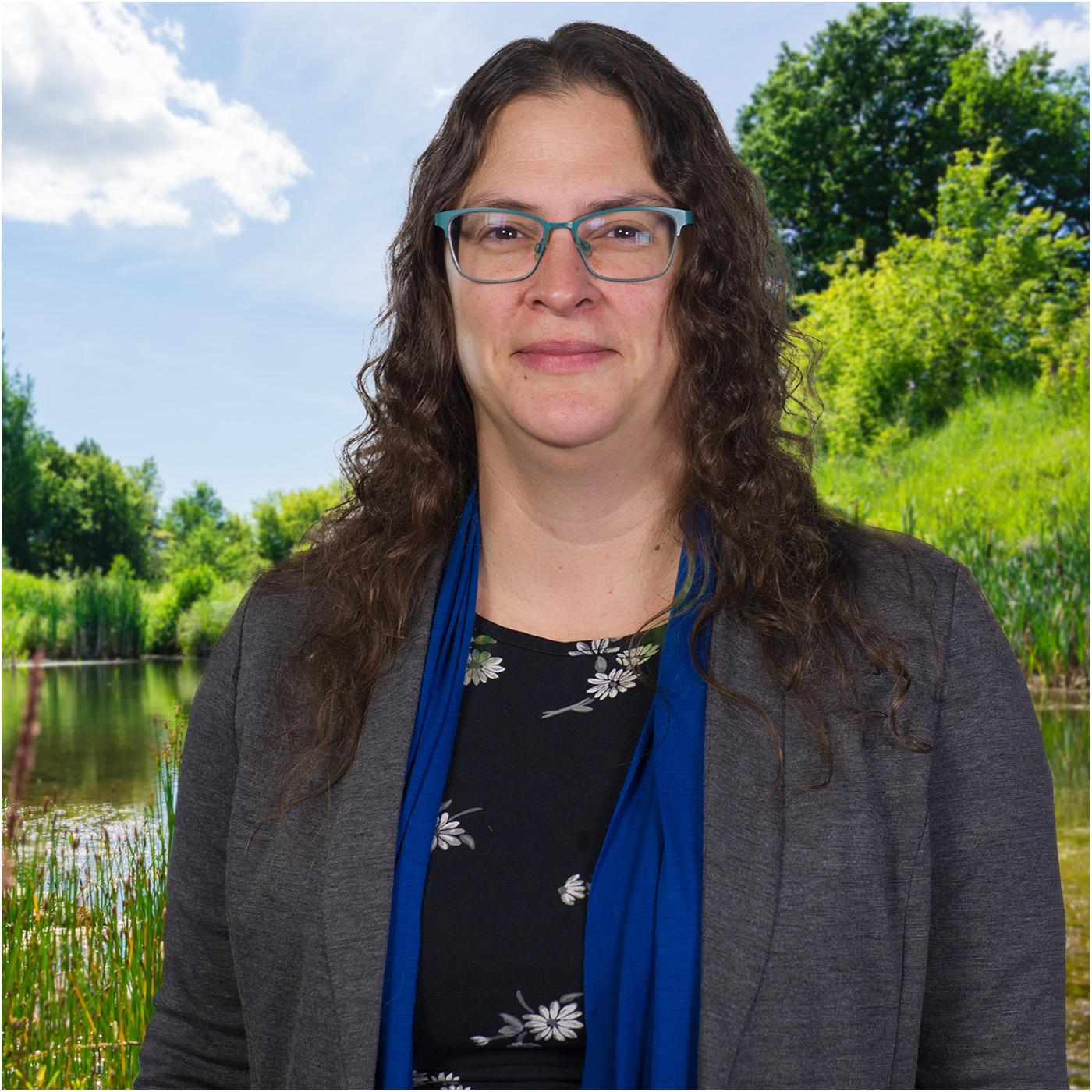
10,000 ways Jan Rainey is untangling the mysteries of spider silks
May 20, 2025 - 0:24:26

Radio and PodcastLive Radio & PodcastsFetching episode details...
Radio and PodcastLive Radio & Podcasts
(Available only in French) This is a podcast about curious researchers, leading-edge science and the joys of discovery. Our podcast gets its name from Thomas Edison who said, “I have not failed. I’ve successfully found 1...
10,000 ways Science (sea) star is an episode from Canada Foundation for Innovation by Canada Foundation for Innovation. (Available only in French) This is a podcast about curious researchers, leading-edge science and the joys of discovery....
This episode belongs to Canada Foundation for Innovation.
Use the player on this page to stream the episode online.
Published Nov 17, 2023, 0:22:50 long, audio available.
(Available only in French) This is a podcast about curious researchers, leading-edge science and the joys of discovery. Our podcast gets its name from Thomas Edison who said, “I have not failed. I’ve successfully found 10,000 ways that will not work.” Ocean science research is at a pivotal moment according to Guillaume St-Onge, Director of the Institut des sciences de la mer de Rimouski at Université du Québec à Rimouski. Canada abounds with ocean science expertise and technology, yet its fleet of research vessels has seen better days. Should we be concerned about how this will impact Canadian research in marine geology, physical oceanography, marine biology and marine chemistry? In this episode, a professor of marine geology at Université du Québec à Rimouski and Canada Research Chair in Marine Geology lets us in on his thoughts. Want to know more? Guillaume St-Onge: Guillaume St-Onge's personal page on ISMER's website (French only) Guillaume St-Onge's personal page on UQAR's website (French only ) Canada Research Chair in Marine Geology (French only ) Profile of Guillaume St-Onge on the Fonds de recherche du Québec website (French only ) Facility and partnerships: Navigator's profile for the Paleomagnetism and Marine Geology Laboratory Institut des sciences de la mer de Rimouski (ISMER) of Université du Québec à Rimouski (French only) Paleomagnetism and Marine geology Laboratory Réseau Québec maritime (RQM) (French only) Institut France-Québec maritime (IFQM) (French only) Articles about Guillaume St-Onge’s research (in publication order, from most recent to oldest): L’UQAR obtient le renouvellement de sa Chaire de recherche du Canada en géologie marine [UQAR gets its Canada Research Chair in Marine Geology Renewed], by Jean-François Bouchard, published in UQAR-INFO (August 30, 2023) L'UQAR et ses partenaires reçoivent 154M$ du Fonds d’excellence en recherche Apogée Canada pour l’action climatique et le rôle des océans [UQAR and its partners receive $154 million in funding from the Canada First Research Excellence Fund for climate action and the role of oceans], from the UQAR communications department (May 4, 2023) Remonter dans le temps pour mieux connaître les risques de séismes dans l’estuaire [Going back in time to better understand the risks of earthquakes in the estuary], by Julie Tremblay, published in Radio-Canada ICI Bas-Saint-Laurent (January 19, 2023) Le chercheur Guillaume St-Onge à l’honneur dans Québec Science [Researcher Guillaume St-Onge in the spotlight with Québec Science], with Bis Petitpas, episode on Radio-Canada’s Bonjour la Côte (January 19, 2023) Tremblements de fleuve [River earthquakes], by Joël Leblanc, published in Québec Science(January 12, 2023) Un chercheur de l’UQAR figure pour une quatrième fois parmi les dix découvertes de l’année de Québec Science [UQAR researcher named for the fourth time in Québec Science’s top ten discoveries of the year], by Jean-François Bouchard, published in UQAR-INFO (January 12, 2023) Apogée, un programme de recherche sur les océans sans précédent [An unprecedented marine research program], by Jean-François Bouchard, published in UQAR-INFO (January 9, 2023) Articles of interest on topics addressed in the podcast: Prédire le comportement futur du champ magnétique terrestre [Predicting the future behaviour of Earth’s magnetic field], by Pauline Gravel, published in Le Devoir (February 20, 2016) Le secret du cratère des Pingualuit [The secret of the Pingualuit crater], by Joël Leblanc, published in Québec Science (December 13, 2012) Information about the research vessels mentioned in the podcast: The Coriolis II, ISMER web page (French only) The Coriolis II, REFORMAR web page Le Coriolis II, un laboratoire flottant pour des recherches océanographiques [The Coriolis II, a floating laboratory for marine research], by Valérian Mazataud, Guillaume Levasseur, Alexis Riopel, published in Le Devoir (August 12, 2023) The Listening River , dossier written by Pascaline David, photos by Benjamin Rochette and sound from besidemedia · BESIDE in partnership with Novarium 2 The Amundsen The JOIDES Resolution, press release from the National Science Foundation of the United States: Climate can grind down mountains faster than they can rebuild Daily reports from the JOIDES Resolution Science Operator (International Ocean Discovery Program)
You can listen to 10,000 ways Science (sea) star online on Radio and Podcast. Open the player on this page to stream the available audio.
10,000 ways Science (sea) star is an episode from Canada Foundation for Innovation by Canada Foundation for Innovation.
This episode is 0:22:50 long.
This episode was published on Nov 17, 2023.
Yes. Use the heart button on the episode page to add it to your favorite episodes list.
Yes. This page shows related episodes from Canada Foundation for Innovation when more episodes are available from the podcast feed.
You can listen to 10,000 ways Science (sea) star on this page when the episode audio is available from the podcast feed.
10,000 ways Science (sea) star is from Canada Foundation for Innovation by Canada Foundation for Innovation.
Published Nov 17, 2023 and 0:22:50 long