
221: Compare ’unvoiced th’ to /f/, /s/, and /t/
How to pronounce words like "thin/fin," "mouth/mouse," and "both/boat." Perfect your English fricative sounds by never stopping the air from...
 Radio and PodcastLive Radio & Podcasts

The American English Pronunciation podcasts teaches non-native English speakers and ESL/ELL students correct English pronunciation in short lessons. Learn, listen, repeat!
How to pronounce words like "thin/fin," "mouth/mouse," and "both/boat." Perfect your English fricative sounds by never stopping the air from...
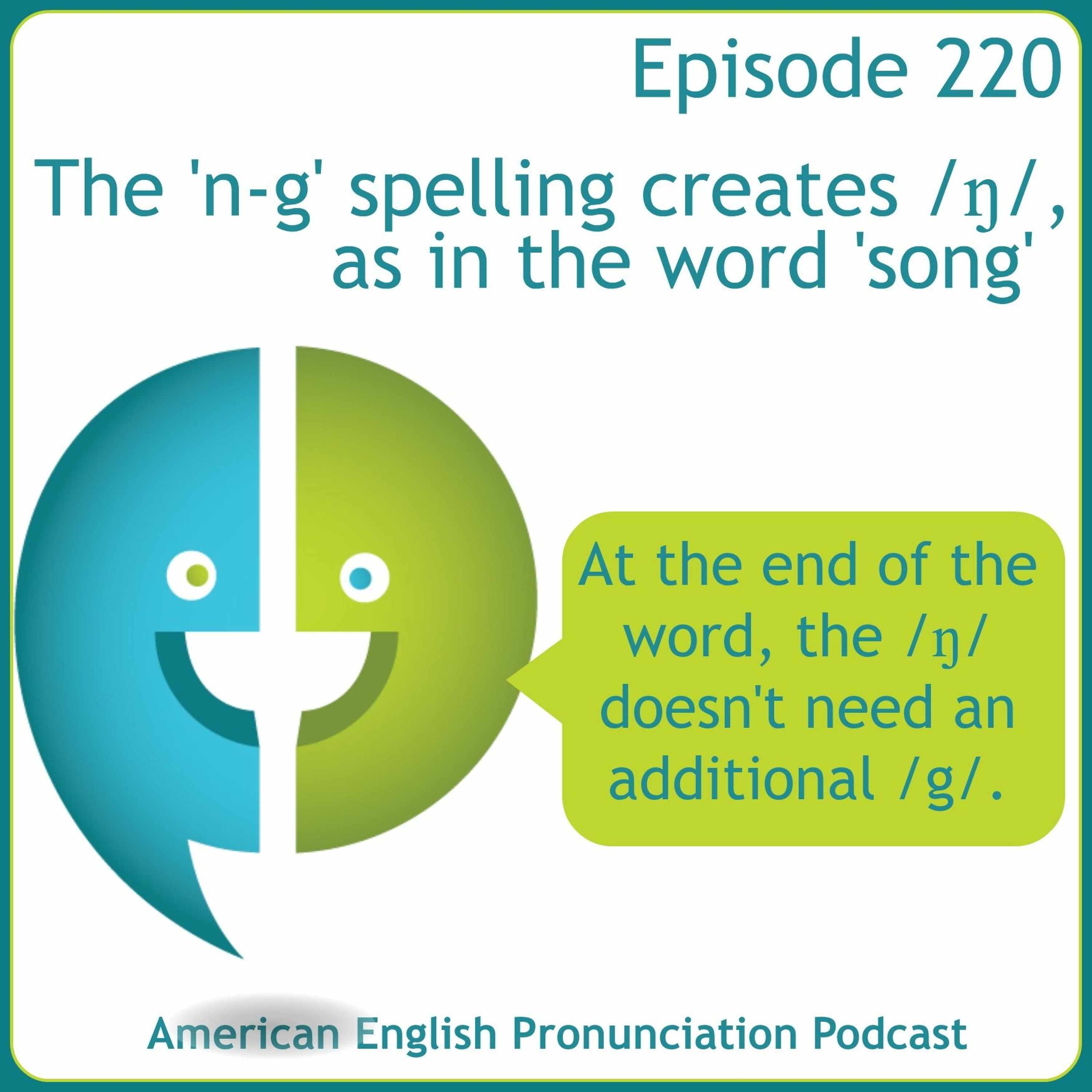
At the end of the word, the /ŋ/ doesn't need an additional /g/. The /g/ is potentially included mid-word. Transcripts available at pronuncia...
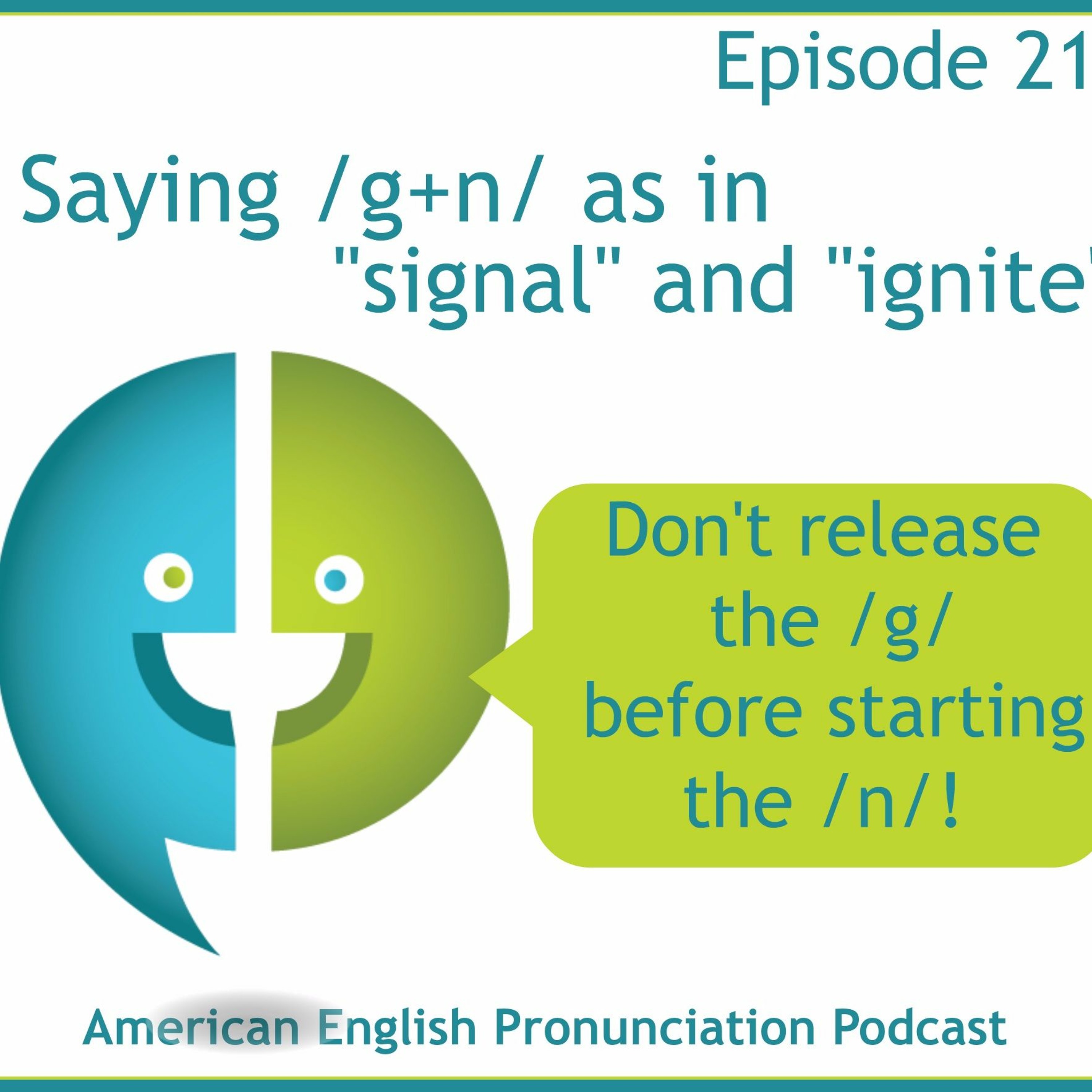
"Coarticulating" the /g/ and /n/ is the trick to fluent pronunciation of these two sounds. Don't release the /g/ before starting the /n/. Tr...
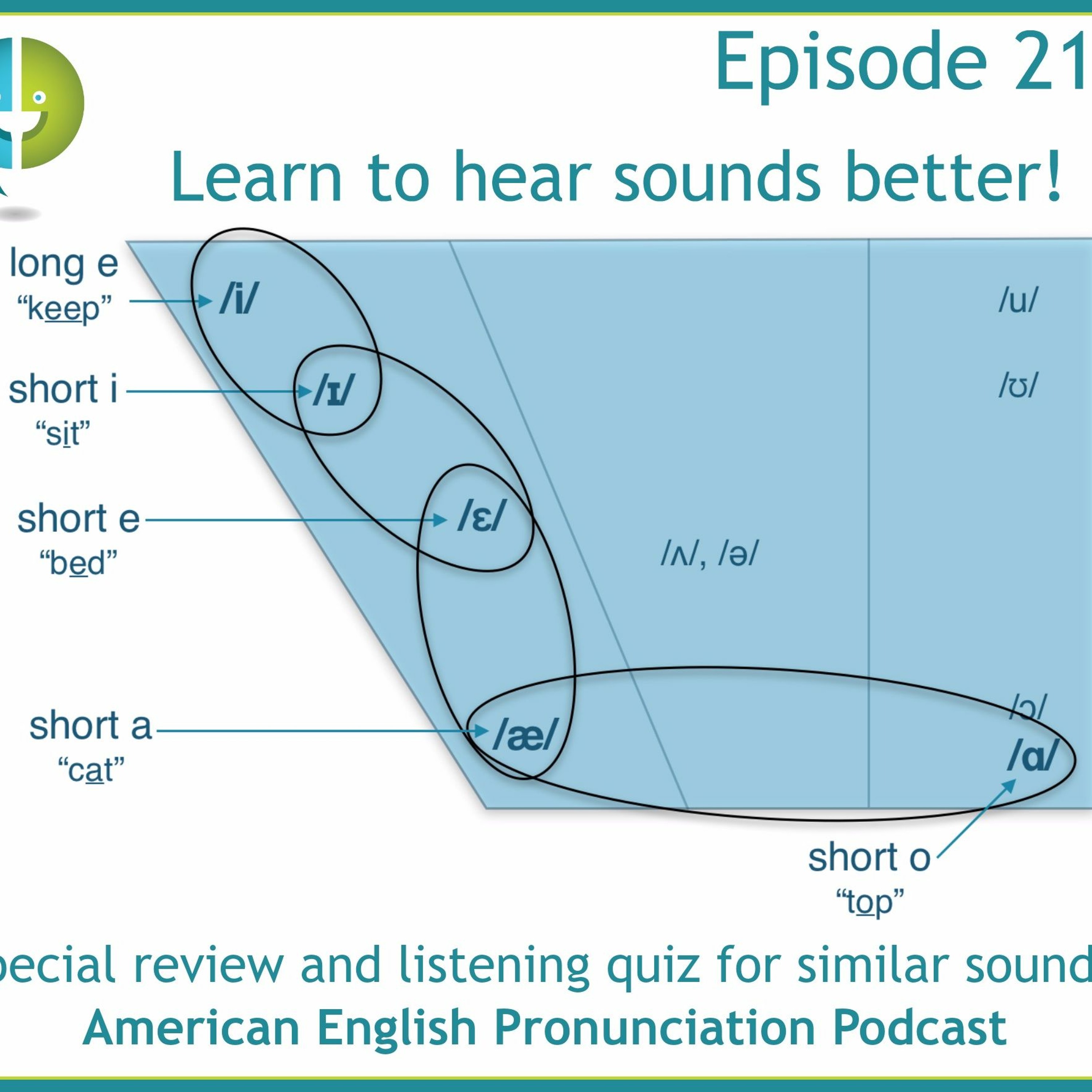
Test your ability to identify vowel sounds with this special listening quiz episode. Transcripts available on pronuncian.com.
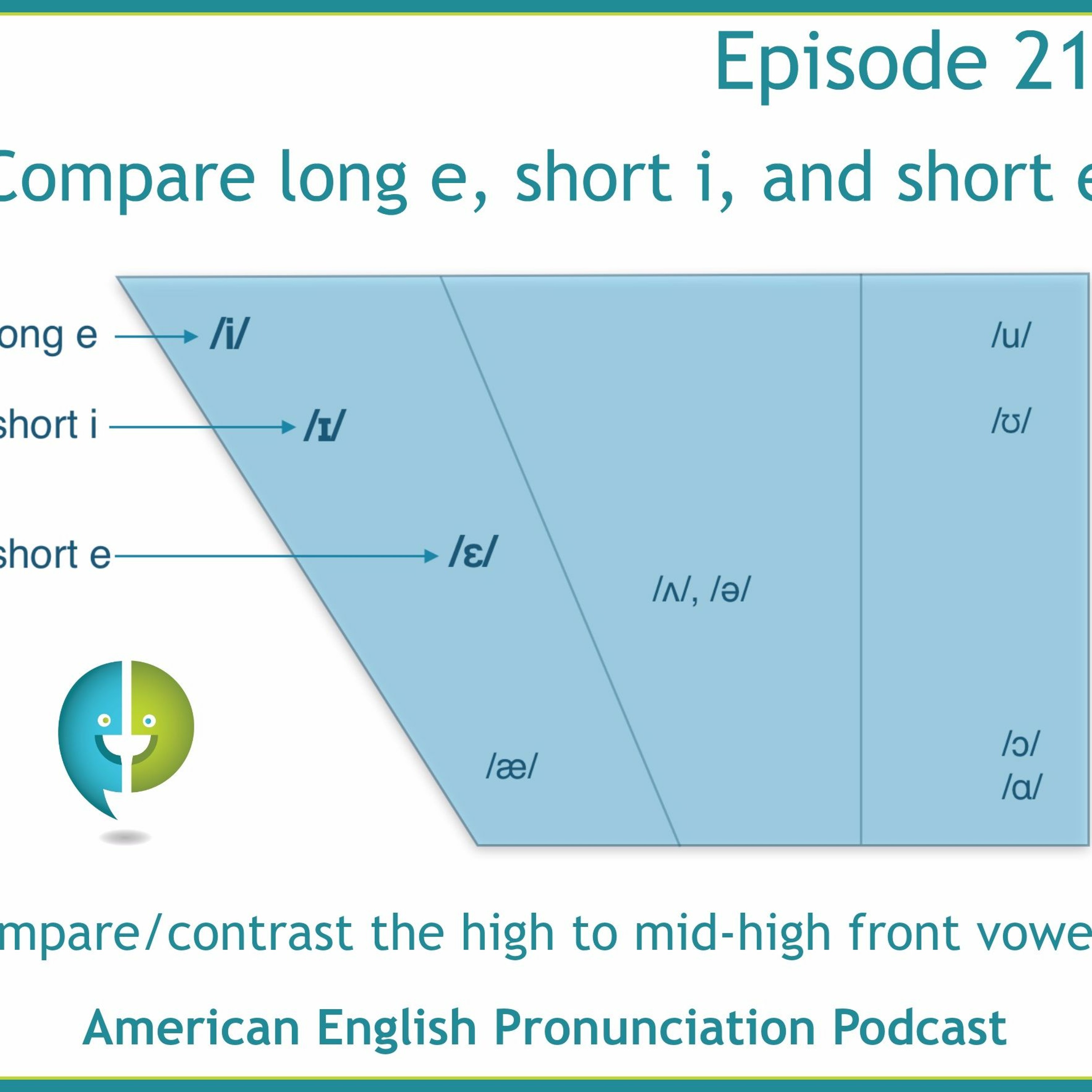
The long e, short i, and short e /i, ɪ, ɛ/, are three front vowel sounds that can be practiced from a high, front tongue position to a mid-f...
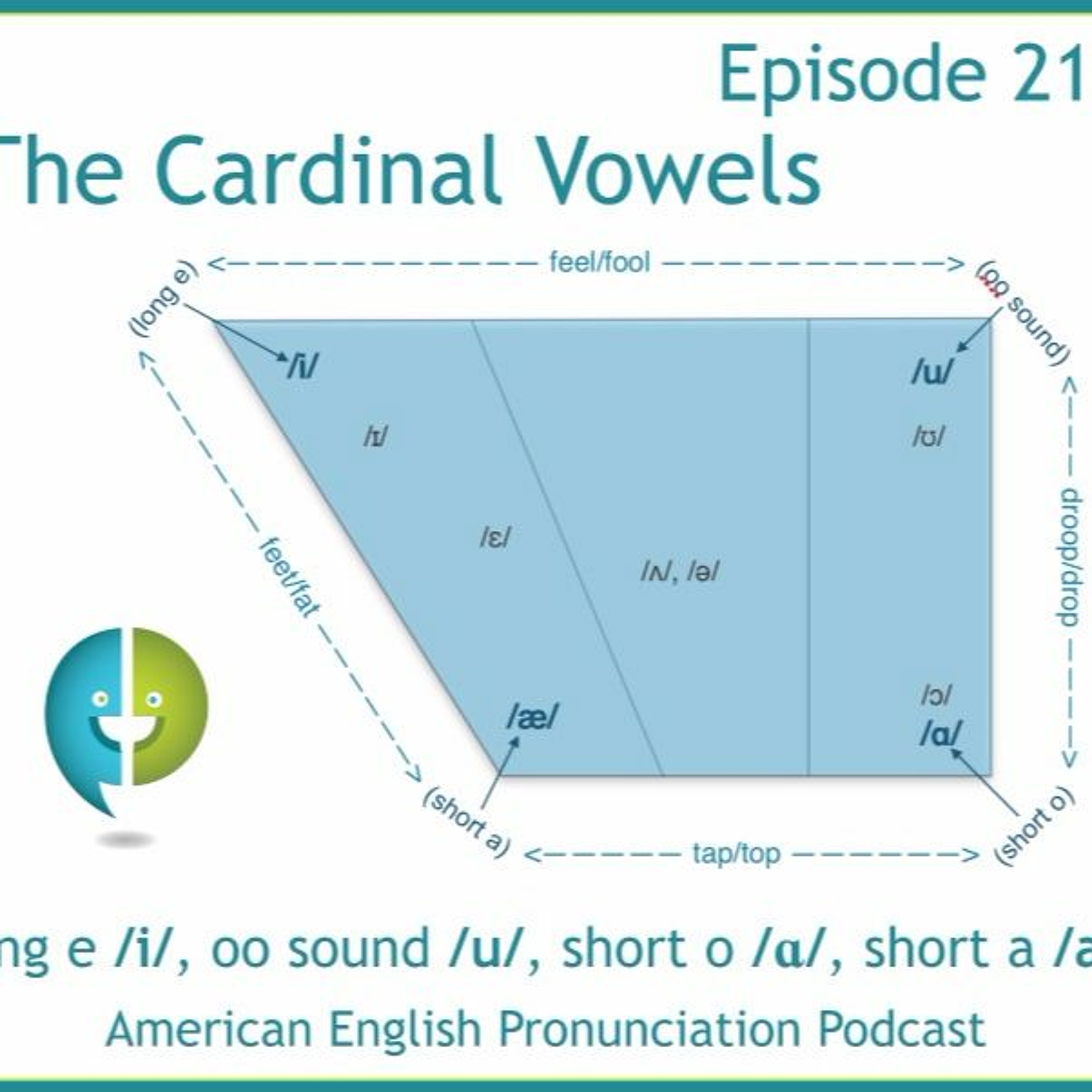
All about that vowels diagram that shows the vowel sounds placed over a sort of square-like shape that’s bigger on the top than it is on the...

Use a low pitch to signal a spoken aside (like information that would be written in parentheses or between commas). Transcripts available at...
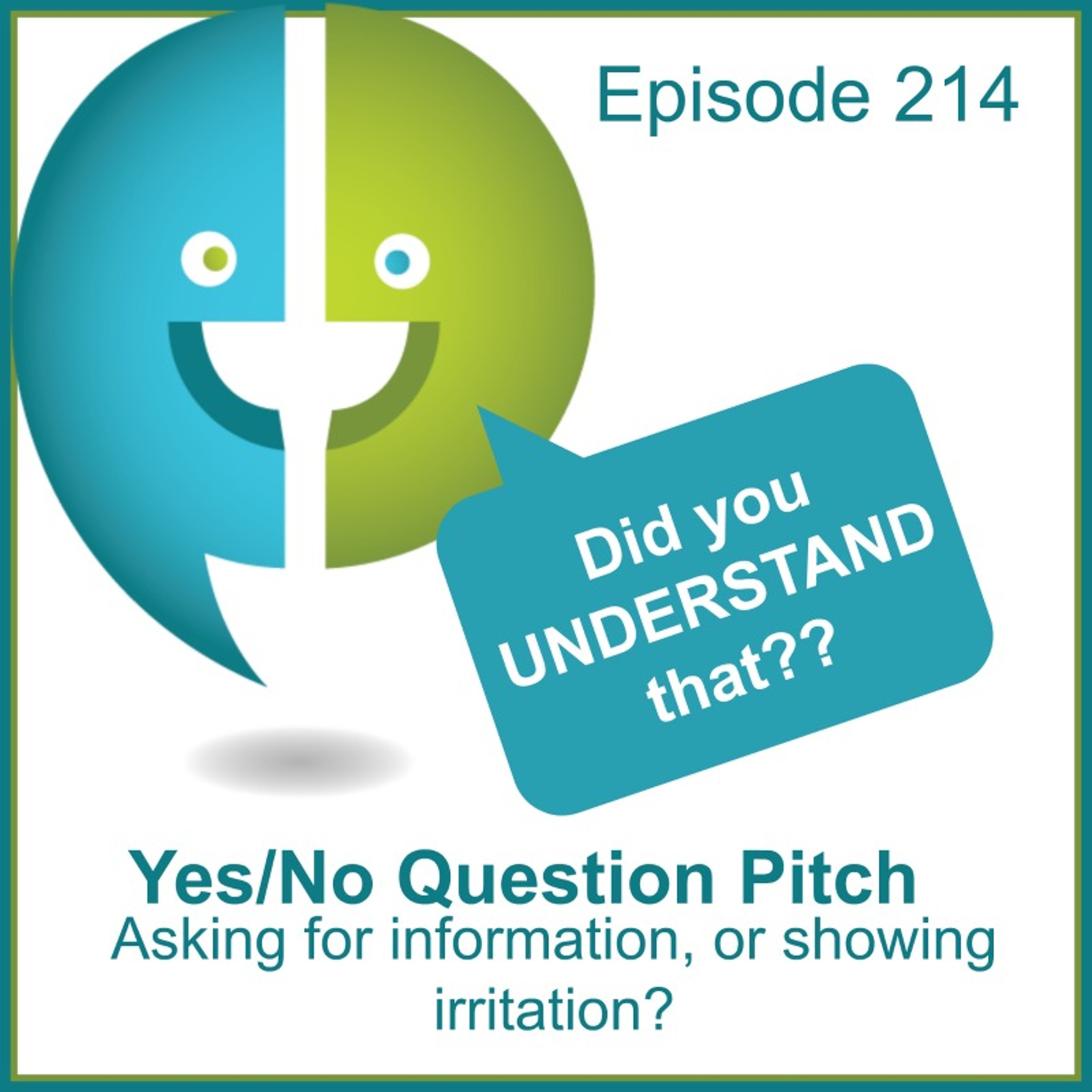
Understand the rising and falling pitch patterns for yes/no questions and learn how to read emotion. Transcripts on pronuncian.com. Classes...
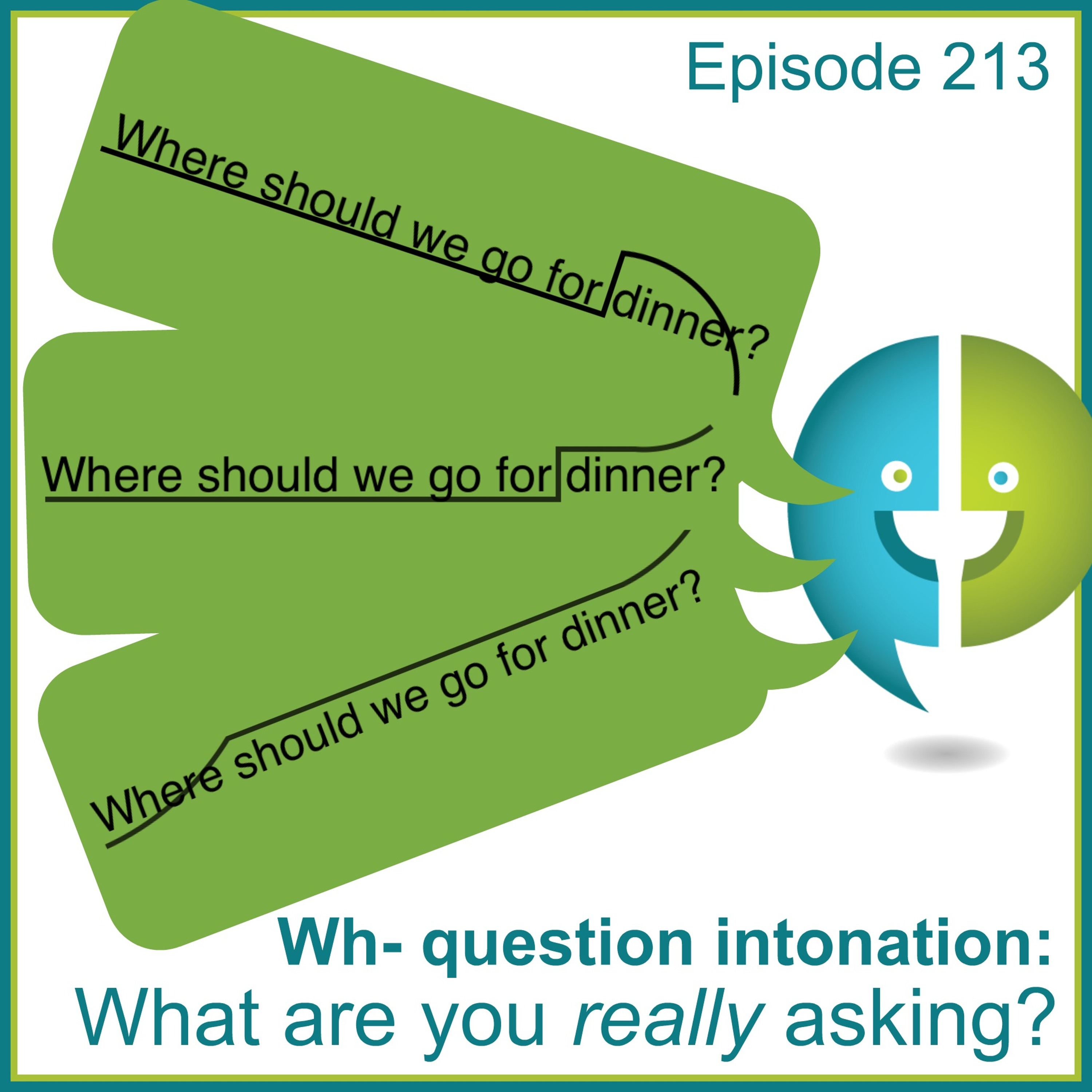
What are you *really* asking? Using a rising or a falling pitch on a wh- question means something different than using a rising pitch. Trans...
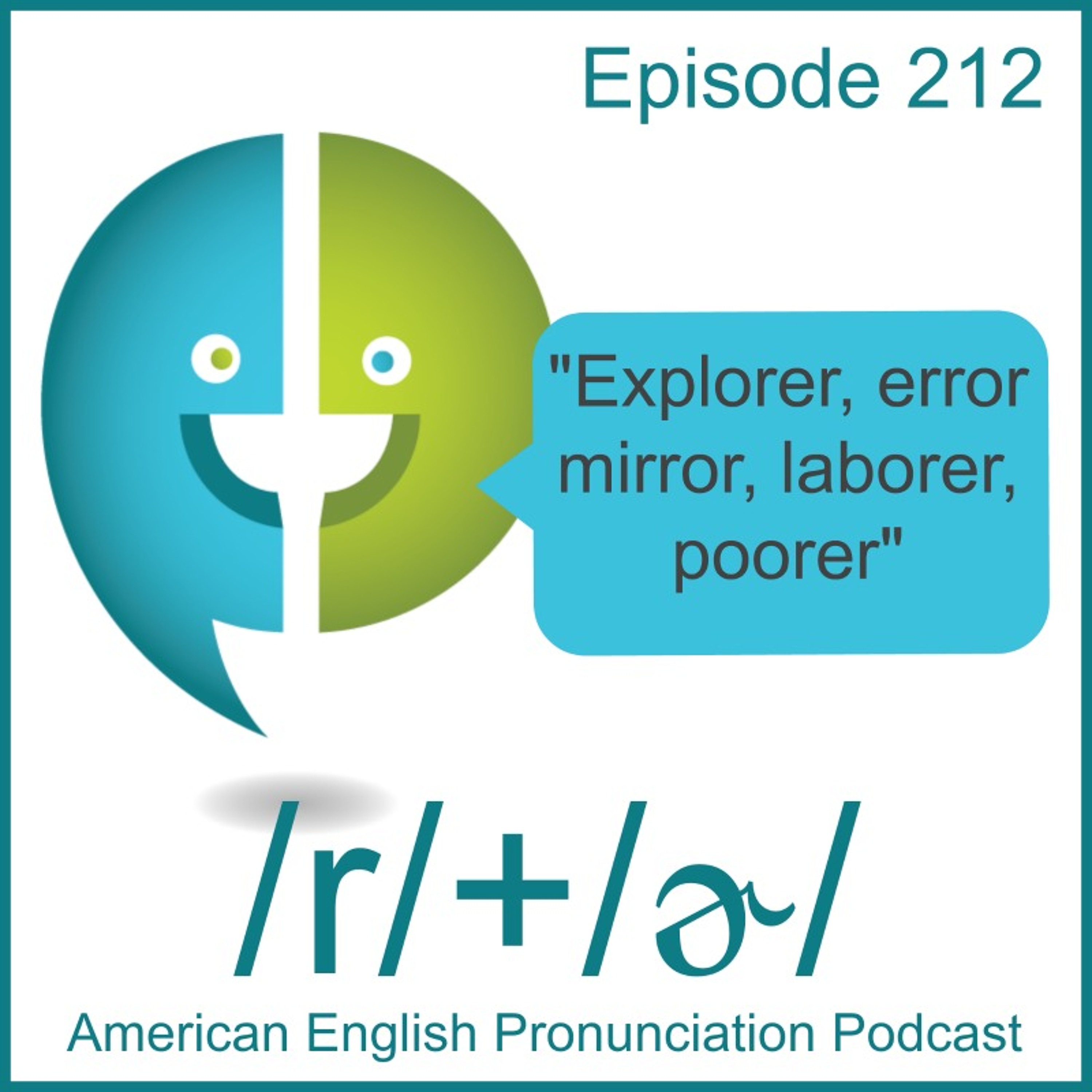
Adding /ɚ/ (schwa+r) to an /r/ can be difficult. Make it into two syllables, but don't add a vowel sound between. Learn how here! By Seattle...

Words like 'hat' and 'hot' are important to distinguish. Full episode transcripts available at Pronuncian.com
Is it silent, pronounced as 'long u' or 'oo sound'? Full episode transcripts at www.pronuncian.com/podcast.

What's up with /ə/ and /ʌ/ in words like 'custom' /ˈkʌs təm/? Full episode transcripts at www.pronuncian.com/podcast.

Practice the difference between the or sound and the long o sound. Full episode transcripts at www.pronuncian.com/podcast.

Rhyming with 'shorter' and 'border,' this is a quirky word. Full episode transcripts at www.pronuncian.com/podcast.

Rhythm and linking from /d/. Full episode transcripts at www.pronuncian.com/podcast.

No English spelling could be more confusing. Full episode transcripts at www.pronuncian.com/podcast.

Informal contractions for fluency! Full episode transcripts at www.pronuncian.com/podcast.

Most recognize the /d/ in the pronunciation of 'little' but how about in 'out_of'? Full episode transcripts at www.pronuncian.com/podcast.

Even small differences in vocal tract profiles can make a big difference. Full episode transcripts at www.pronuncian.com/podcast.